
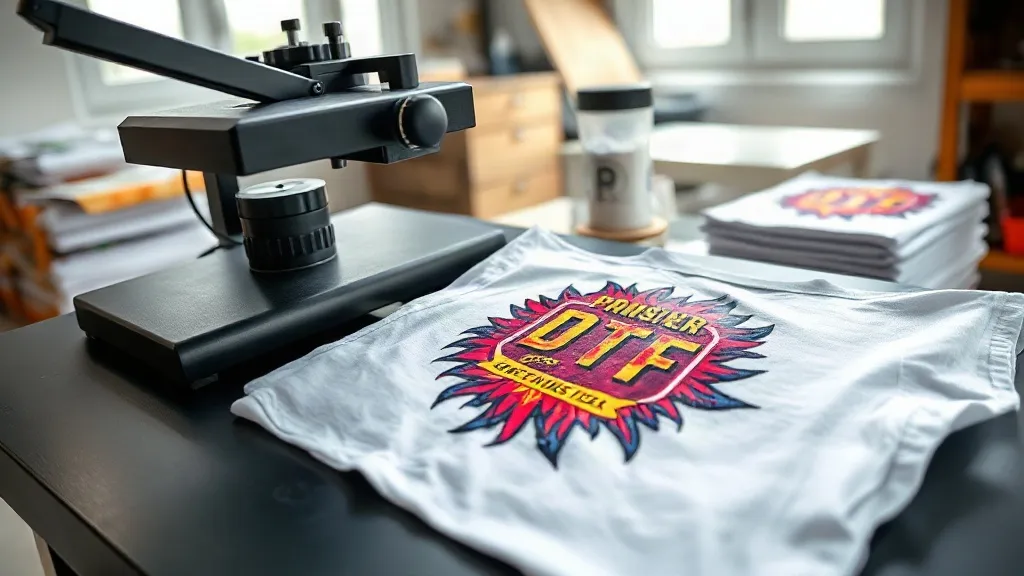
If you've ever admired a custom t-shirt with a print so vibrant it seems to pop off the fabric, chances are it was created using dtf transfers. This printing method has taken the custom apparel world by storm, offering unmatched color brilliance and durability. Whether you're a small business owner looking to expand your product line or a hobbyist eager to try something new, understanding DTF technology can open up a world of creative possibilities.
What Are DTF Transfers?
DTF stands for Direct-to-Film. It's a printing technique where your design is printed onto a special film, then coated with a powder adhesive and cured. The result is a transfer that can be applied to almost any fabric using a heat press. Unlike other methods that require specific materials, DTF works beautifully on cotton, polyester, blends, and even tough fabrics like canvas and denim.
The process is straightforward: print, powder, cure, and press. But the magic lies in the details. The film allows for intricate designs with fine lines and gradients, and the adhesive powder ensures a strong bond that survives repeated washing. This is why dtf has become a favorite among professionals and DIY enthusiasts alike.
Why Choose DTF Transfers for Your Projects?
There are several compelling reasons to consider DTF for your next project. First, the color vibrancy is exceptional. DTF prints are bright and opaque, even on dark garments, without the need for a white underbase. This means you can achieve stunning results with less hassle.
Second, DTF is incredibly versatile. You're not limited to cotton like with DTG (Direct-to-Garment) printing, nor do you need to worry about color limitations like with screen printing. From delicate lace to heavy fleece, DTF adheres well to a wide range of materials. Plus, the transfers are stretchable, making them perfect for sportswear and activewear.
Third, DTF is cost-effective for small batches. Setting up screen printing for a few shirts can be expensive, but DTF transfers allow you to print one-off designs without breaking the bank. This makes it ideal for personalized gifts, sample runs, or limited editions.
How to Apply DTF Transfers: Step by Step
Applying DTF transfers is a breeze if you follow the right steps. Here's a quick guide to ensure a flawless finish every time.
1. Prepare Your Heat Press
Set your heat press to the recommended temperature, usually around 300°F to 325°F (150°C to 160°C). Preheat the garment for a few seconds to remove moisture and wrinkles. This step is crucial for proper adhesion.
2. Position the Transfer
Place the DTF transfer onto the garment with the printed side facing up. If your transfer has a carrier film, make sure it's on top. Use heat-resistant tape to secure it if needed.
3. Press and Peel
Apply medium to firm pressure for 10-15 seconds. Then, allow the transfer to cool completely before peeling off the film. Peeling while hot can cause the design to lift or distort. Once cool, peel in a smooth, steady motion.
4. Post-Press for Durability
For extra durability, especially on stretchy fabrics, cover the design with a Teflon sheet or parchment paper and press again for another 5-10 seconds. This helps the adhesive fully bond with the fibers.
Common Mistakes to Avoid with DTF Transfers
Even experienced crafters can run into issues. Here are a few pitfalls to watch out for:
- Insufficient pressure: If the pressure is too light, the transfer won't adhere properly. Always use medium to firm pressure.
- Peeling too soon: Patience is key. Peeling while hot can ruin the design. Wait until it's completely cool.
- Ignoring fabric type: While DTF works on many fabrics, some like nylon or treated water-repellent materials may require special low-temperature transfers. Always test first.
- Not pre-pressing: Skipping the pre-press can leave moisture that interferes with adhesion.
By avoiding these common errors, you'll achieve professional-looking results consistently.
Where to Find Quality DTF Transfers Near You
When sourcing DTF transfers, quality matters. Poorly made transfers can crack, fade, or peel after a few washes. That's why it's important to choose a reputable supplier. If you're searching for dtf transfers near me, look no further than HarwinDTF. They offer high-quality transfers with vibrant colors and durable adhesion. Whether you need custom designs or ready-to-press transfers, their collection has you covered.
For those who prefer to print their own, investing in a good DTF printer and supplies is essential. But for many, purchasing pre-made transfers is more convenient and cost-effective, especially for small businesses.
DTF vs. Other Printing Methods
How does DTF stack up against other popular printing techniques? Let's compare.
- DTF vs. DTG: DTG requires pre-treatment and works best on 100% cotton. DTF works on almost any fabric and doesn't need pre-treatment, making it more versatile.
- DTF vs. Screen Printing: Screen printing is cost-effective for large orders but expensive for small batches. DTF is ideal for small runs and complex designs.
- DTF vs. Vinyl: Vinyl is limited to simple shapes and colors. DTF can handle full-color photographs and gradients with ease.
Each method has its strengths, but DTF's flexibility and quality make it a top choice for many applications.
Frequently Asked Questions About DTF Transfers
How long do DTF transfers last?
With proper application and care, DTF transfers can last as long as the garment itself. They are highly durable and resistant to cracking and fading. Wash inside out in cold water and avoid harsh chemicals to prolong life.
Can I use DTF transfers on dark colors?
Absolutely! DTF transfers include a white ink layer that makes colors pop on dark fabrics. You don't need to adjust your design for dark garments.
Do I need a special printer for DTF?
Yes, DTF requires a printer with DTF ink and a powder shaker. However, if you don't want to invest in equipment, you can buy pre-printed transfers from suppliers like HarwinDTF.
What fabrics work best with DTF?
DTF works on cotton, polyester, blends, canvas, denim, and more. It's not recommended for nylon or fabrics with special coatings, as adhesion may vary.
How do I store unused DTF transfers?
Store them in a cool, dry place away from direct sunlight. Keep them flat to avoid creasing. Properly stored transfers can last for months.
DTF transfers offer a fantastic way to create custom apparel with professional results. Whether you're a business owner or a DIY enthusiast, this technology provides versatility, durability, and vibrant colors. So why not give it a try? Your next project could be your best yet.