
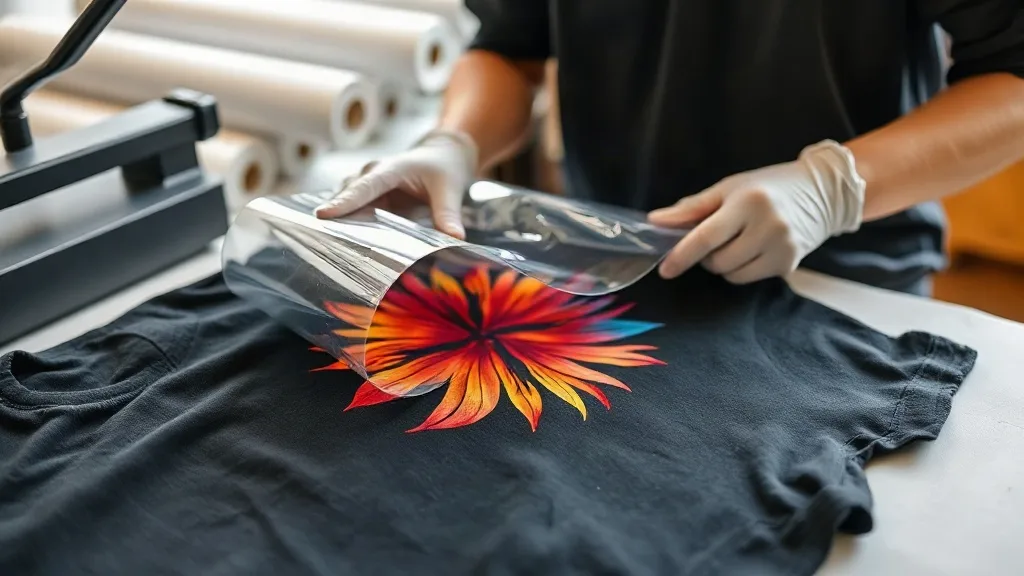
Imagine pressing a button and watching vibrant, detailed designs come to life on a t-shirt, tote bag, or even a pair of jeans. That's the magic of dtf printing, a technology that has rapidly become a favorite among crafters, small business owners, and DIY enthusiasts. Unlike traditional methods that limit you to certain fabrics or require complex setups, DTF (Direct to Film) opens up a world of possibilities. Whether you're running a custom apparel shop or just want to personalize gifts, understanding DTF transfers can elevate your projects from ordinary to extraordinary. In this guide, we'll walk you through everything you need to know about DTF transfers, from the basics to pro tips, so you can achieve professional-quality results at home.
What Are DTF Transfers?
DTF stands for Direct to Film, a printing method where your design is printed onto a special film, coated with adhesive powder, and then heat-pressed onto fabric. The process starts with a digital printer that lays down CMYK inks plus white ink onto a PET film. After printing, a powdered hot-melt adhesive is applied, and the film is cured. When you're ready to apply, you simply place the film on your garment and press with a heat press. The adhesive melts, bonding the ink to the fabric. The film is then peeled away, leaving a soft, flexible print that feels like part of the garment.
What sets dtf transfers apart is their versatility. They adhere to cotton, polyester, blends, and even treated leather, unlike vinyl or sublimation that have fabric limitations. This makes DTF a go-to for anyone who wants consistent results across different materials.
Why DTF Transfers Are Revolutionizing Custom Apparel
The custom apparel industry has seen a shift toward DTF due to its unique advantages. Here's why it's gaining traction:
- No Weeding or Cutting: Unlike heat transfer vinyl (HTV), DTF doesn't require weeding tiny details. You print, press, and peel. This saves hours on intricate designs.
- Vibrant Colors on Any Fabric: The white ink base allows bright colors to pop on dark garments, and the adhesive bonds to a wide range of materials.
- Durability: When applied correctly, DTF prints withstand repeated washing without cracking, peeling, or fading. They stretch with the fabric, making them ideal for activewear.
- Cost-Effective for Small Batches: You can print one-off designs without minimum orders, making it perfect for personalized items or sampling.
- Soft Hand Feel: Advances in adhesive powders and inks have reduced the plastic-like texture, giving a smooth, lightweight finish.
These benefits have made DTF a staple for small businesses looking to offer high-quality custom products without investing in screen printing setups.
The DTF Printing Process Step by Step
Understanding the workflow helps you troubleshoot and perfect your technique. Here's a breakdown:
- Design Preparation: Create your artwork in a graphics program. Ensure it's mirrored (unless your printer software handles it) and set to the correct size. DTF works best with PNG files with transparent backgrounds.
- Printing: Load the PET film into your DTF printer. The printer lays down CMYK and white ink. The white ink is crucial for opacity on dark fabrics.
- Powder Application: While the ink is still wet, sprinkle hot-melt adhesive powder over the film. Shake off excess, ensuring an even coat.
- Curing: Place the film in a curing oven or under a heat press at around 320°F (160°C) for 2-3 minutes. This melts the powder and sets the design.
- Transfer: Trim the film if needed, place it on your garment, and press at 320°F for 15-20 seconds with medium pressure.
- Peel: Wait a few seconds for it to cool, then peel the film off. Your design is now permanently bonded.
Each step requires attention to detail, but with practice, you'll develop a rhythm.
Choosing the Right Materials for DTF Transfers
Not all films, powders, and inks are created equal. To get the best results, invest in quality supplies:
- PET Film: Look for double-sided matte film that prevents ink bleeding. Thickness matters; thinner films conform better to fabric textures.
- Adhesive Powder: Fine-grade powder (80-200 microns) works best. It should be stored in a dry environment to prevent clumping.
- Inks: Use DTF-specific inks that are formulated for flexibility and color vibrancy. Cheap inks can clog nozzles and fade quickly.
- Heat Press: A reliable heat press with accurate temperature control is essential. Irons are not recommended due to uneven pressure.
Testing different combinations on scrap fabric will help you find what works best for your setup.
Common Challenges and How to Overcome Them
Even experienced DTF users face issues. Here are solutions to frequent problems:
1. Print Cracking or Peeling
This usually happens when the powder isn't fully cured or the press temperature is too low. Increase curing time or temperature, and ensure even pressure during transfer.
2. Faded Colors
Fading can occur if the white ink layer is too thin or if the print is over-cured. Adjust your printer settings to increase white ink density and lower curing temperature slightly.
3. Sticky Residue on Film
Excess powder can cause a sticky feel. Use a fine sieve to apply powder evenly and shake off excess thoroughly before curing.
4. Film Not Peeling Smoothly
This often means the transfer is too hot or too cold. Experiment with cooling time; typically 5-10 seconds is ideal. Also, ensure you're using the correct side of the film.
DTF vs. Other Printing Methods
How does DTF stack up against screen printing, DTG, and sublimation? Each has its place, but DTF shines in specific scenarios:
- Screen Printing: Better for large orders of simple designs, but DTF wins for complex, multi-color designs without setup costs.
- DTG (Direct to Garment): Great for 100% cotton, but DTF works on more fabrics and often has more vibrant colors on dark shirts.
- Sublimation: Only for polyester and light-colored fabrics; DTF covers a wider range and doesn't require special coatings.
- Vinyl: DTF eliminates weeding and layering, making it faster for detailed designs.
For small businesses offering variety, DTF is a versatile addition to your production lineup.
Tips for Scaling Your DTF Production
If you're turning DTF into a business, efficiency is key. Consider these strategies:
- Batch Your Prints: Print multiple designs in one go to maximize printer usage and reduce downtime.
- Invest in a Curing Oven: A conveyor oven speeds up curing and ensures consistent results.
- Organize Your Films: Label and store films in a dust-free environment to prevent contamination.
- Offer Samples: Provide sample swatches to customers to showcase durability and feel.
- Stay Updated: Follow DTF communities for new techniques and product reviews.
With streamlined processes, you can handle larger orders without sacrificing quality.
Frequently Asked Questions About DTF Transfers
How long do DTF transfers last?
When applied correctly, DTF transfers can last 50+ washes without significant fading or cracking. Proper curing and following wash instructions (inside out, cold water) extend longevity.
Can I use DTF on 100% polyester?
Yes, DTF adheres well to polyester and blends. However, lower pressing temperatures (around 280°F) are recommended to avoid scorching, and the stretch of the fabric should be considered.
Do I need a special printer for DTF?
You need a DTF printer that uses DTF inks and can handle PET film. Converted Epson printers are popular, but dedicated DTF printers offer better reliability for high-volume production.
Is DTF safe for children's clothing?
Yes, DTF prints are non-toxic and safe once cured. Ensure the adhesive powder is fully melted and the print is smooth to the touch. Avoid any loose powder on the final product.
What's the difference between DTF and DTG?
DTG prints directly onto the garment, while DTF prints onto a film first. DTF works on more fabrics and often produces brighter colors on dark materials, but DTG can be softer on 100% cotton.
Final Thoughts
DTF transfers have democratized custom apparel printing, allowing anyone with a heat press and a printer to create professional-grade products. The technology continues to evolve, with improvements in inks, films, and powders making it even more accessible. Whether you're a hobbyist or a business owner, mastering DTF can open up new creative and revenue opportunities. Remember, success lies in quality supplies, precise technique, and a bit of patience. So why not give it a try? Your next custom creation could be your best yet.