
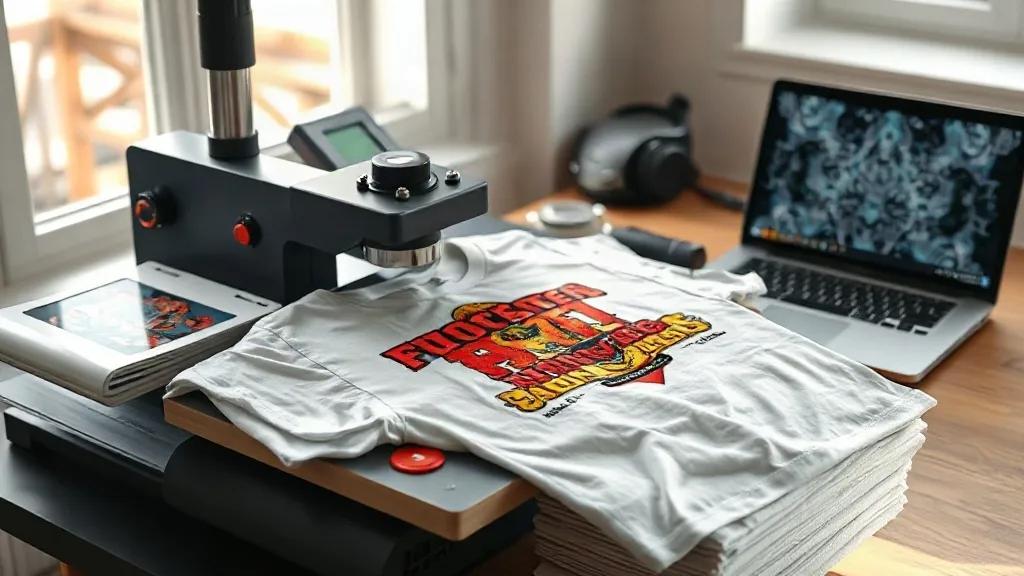
Imagine pressing a button and watching a full-color, intricately detailed design come to life on a t-shirt in under a minute. That's the magic of dtf printing, a technology that has taken the custom apparel world by storm. Whether you're a small business owner looking to offer personalized products or a DIY enthusiast wanting to create unique gifts, understanding dtf transfers can open up a world of creative possibilities. In this guide, we'll dive deep into what DTF is, why it's gaining popularity, and how you can use it to produce professional-quality items right from your home or workshop.
What Are DTF Transfers?
DTF stands for Direct to Film. It's a printing method where your design is printed onto a special film, coated with a heat-activated adhesive powder, and then transferred onto fabric using a heat press. Unlike DTG (Direct to Garment) or screen printing, DTF doesn't require pre-treatment of the fabric or specialized equipment beyond a printer and a heat press. This makes it accessible to a wide range of users, from hobbyists to commercial printers.
The DTF Printing Process Explained
The process begins with creating your artwork on a computer. The design is printed onto a PET film using specialized DTF inks, typically CMYK plus white. The white ink acts as a base, allowing the colors to pop on both light and dark fabrics. After printing, a layer of adhesive powder is applied to the wet ink, and the film is cured in an oven or with a heat gun. Once cured, the transfer is ready to be applied to fabric. The actual transfer takes just seconds: you place the film on the garment, press it with a heat press, and peel off the film. The result is a soft, flexible, and durable print that can stretch with the fabric without cracking.
Why DTF Transfers Are a Game-Changer for Custom Apparel
There are several reasons why DTF has become a favorite among apparel decorators. Let's explore the key benefits.
1. Unmatched Versatility with Fabrics
One of the biggest advantages of DTF is its ability to adhere to a wide range of materials. While DTG works best on 100% cotton, DTF can be applied to cotton, polyester, blends, and even leather. This versatility means you can decorate anything from t-shirts and hoodies to tote bags and caps without worrying about fabric composition. For businesses, this eliminates the need for multiple printing methods, streamlining production.
2. Vibrant Colors and Fine Details
DTF transfers produce exceptionally vibrant colors, thanks to the white ink base that makes colors stand out even on dark garments. The technology also allows for high-resolution details, including gradients, thin lines, and photographic images. If you've ever struggled with screen printing complicated designs, DTF will feel like a breath of fresh air. You can print full-color photographs and intricate patterns with ease.
3. Cost-Effective for Small Batches
Traditional screen printing requires separate screens for each color, making short runs expensive. DTF, on the other hand, has no setup costs per color. You can print one-off designs or small batches without breaking the bank. This makes it ideal for personalized gifts, sample orders, or limited-edition merchandise. For small businesses, it means you can offer custom apparel without large upfront investments.
4. Durability and Washability
When applied correctly, DTF transfers are highly durable. They resist cracking, peeling, and fading even after multiple washes. The prints remain soft to the touch and stretch with the fabric, ensuring comfort for the wearer. This durability is a major selling point for customers who want their custom apparel to last.
How to Apply DTF Transfers: A Step-by-Step Guide
Applying DTF transfers is straightforward, but following the right steps ensures a professional finish. Here's a detailed guide.
Step 1: Prepare Your Workspace and Equipment
You'll need a heat press, the DTF transfer film, a lint roller or lint-free cloth, and a protective sheet (like parchment paper or Teflon sheet). Ensure your heat press is set to the correct temperature, typically around 325°F (160°C) for most fabrics. Pre-press the garment for a few seconds to remove moisture and wrinkles.
Step 2: Position the Transfer
Place the DTF transfer film onto the garment with the printed side facing up. If your design is directional, make sure it's oriented correctly. Use heat-resistant tape if needed to hold it in place.
Step 3: Press the Transfer
Cover the transfer with a protective sheet. Apply medium to firm pressure for about 15-20 seconds. The exact time may vary depending on your press and fabric, so always test with a scrap piece first. After pressing, allow the garment to cool completely before peeling the film. For a matte finish, peel while hot; for a glossy finish, peel after cooling. Most DTF transfers are cold-peel, but check the instructions.
Step 4: Post-Press for Durability
For added durability, you can do a second press for 5-10 seconds after peeling. This helps the adhesive fully bond with the fabric. Then, turn the garment inside out and wash it in cold water, tumble dry on low. Avoid ironing directly on the print.
Common Mistakes to Avoid with DTF Transfers
Even though DTF is forgiving, some pitfalls can ruin your results. Here are a few to watch out for.
- Incorrect temperature: Too hot and the film may melt or the adhesive may burn; too cold and the transfer won't adhere properly. Always follow the recommended settings.
- Insufficient pressure: Without enough pressure, the transfer won't bond evenly, leading to premature peeling.
- Peeling too early or too late: Peeling at the wrong temperature can cause the design to crack or the adhesive to stick to the film instead of the fabric.
- Not pre-pressing: Moisture in the fabric can create steam pockets that interfere with adhesion.
DTF vs. Other Printing Methods: A Quick Comparison
How does DTF stack up against DTG, screen printing, and vinyl? Here's a breakdown.
- DTG: Best for 100% cotton, no minimums, but colors may be less vibrant on dark shirts and requires pre-treatment.
- Screen Printing: Cost-effective for large orders, but setup costs are high and limited to simpler designs.
- Vinyl: Great for simple text and shapes, but not suitable for complex, multi-color images.
- DTF: Works on almost any fabric, no minimums, vibrant colors, and fine details. The best all-rounder for small to medium businesses.
Getting Started with DTF Transfers
If you're ready to dive into DTF, you'll need a few essentials: a DTF printer (or a service that prints transfers for you), DTF inks, PET film, adhesive powder, and a heat press. For those not ready to invest in a printer, many companies offer custom DTF transfer services where you can upload your design and receive ready-to-press transfers. This is a great way to test the waters before committing to equipment.
Frequently Asked Questions About DTF Transfers
How long do DTF transfers last?
With proper application and care, DTF transfers can last as long as the garment itself. They are resistant to cracking, peeling, and fading. Washing inside out in cold water and avoiding high heat in the dryer will extend their life.
Can I use DTF transfers on dark colors?
Absolutely! DTF transfers include a white ink base that makes colors pop on dark fabrics. This is one of the main advantages over DTG, which may require a white underbase that can feel thick.
Do I need a special printer for DTF?
Yes, DTF requires a printer that uses DTF inks and can handle PET film. However, if you don't want to buy a printer, you can order pre-printed transfers from a supplier and just apply them with a heat press.
What fabrics work best with DTF?
DTF works well on cotton, polyester, blends, and even leather. It's not recommended for nylon or fabrics with a waterproof coating, as the adhesive may not bond properly.
Is DTF transfers cost-effective for small businesses?
Yes, especially for small batches and one-off designs. There are no setup fees or minimum orders, making it a cost-effective solution for personalized products.
DTF transfers are transforming the custom apparel industry by making high-quality, full-color printing accessible to everyone. Whether you're a seasoned pro or just starting, incorporating DTF into your workflow can elevate your creations and delight your customers. So why not give it a try? Your next masterpiece is just a press away.