
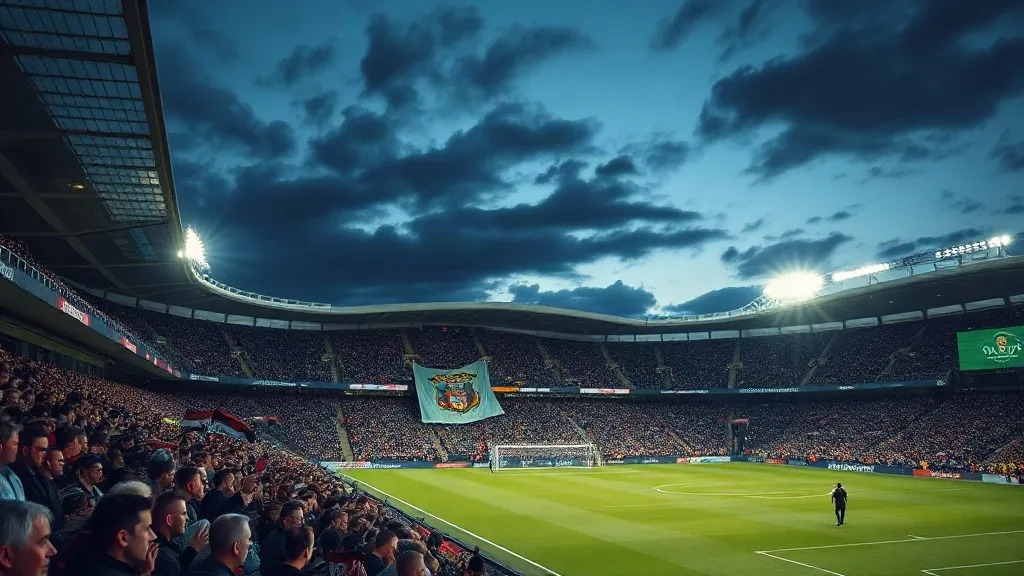
Newcastle United's 2020s have been anything but ordinary. From the euphoria of the takeover to the grind of Premier League stability, the club has been thrust into a new era. But beyond the pitch, two entities have come to symbolize the contrasting forces at play: Wor Flags, the fan-funded display group, and Sky Sports, the broadcasting giant. For many supporters, these two represent the heroes and villains of modern fandom, a tug-of-war between organic passion and commercial narrative.
In this analysis, we explore why Wor Flags has become a beacon of hope and identity, while Sky Sports often finds itself cast as the antagonist, accused of shaping stories that don't always align with reality. It's a tale of two influences, each leaving an indelible mark on Tyneside.
The Rise of Wor Flags: A Hero in Black and White
Wor Flags emerged in 2016 as a grassroots initiative, aiming to bring colour and noise back to St James' Park. What started as a small group of fans with a shared vision has grown into a movement that defines matchday atmosphere. Their displays, from giant surfer flags to intricate tifos, have become a staple of Newcastle's home games, earning praise from players, pundits, and even opposing fans.
The group operates on donations, with no corporate backing, and that independence is key to their hero status. In an age where football feels increasingly sanitized, Wor Flags represents the raw, unfiltered voice of the supporters. They don't just decorate the stadium; they tell a story. Each display is meticulously researched, often referencing club history, local culture, or current events. For instance, their tribute to the 1969 Fairs Cup winning team or the banner celebrating the NHS during the pandemic struck a chord with the community.
Why Wor Flags Resonates
- Authenticity: Fan-led and fan-funded, they answer only to the supporters.
- Visual Impact: Their displays transform St James' Park into a cauldron of black and white, intimidating opponents and inspiring players.
- Community Spirit: They collaborate with local artists, schools, and charities, reinforcing the bond between club and city.
Moreover, Wor Flags has filled a void left by the previous ownership's disconnect with fans. Under Mike Ashley, the atmosphere had grown toxic, but Wor Flags provided a positive outlet for frustration and hope. Their work has been credited with boosting the team's performance, as players often speak of the lift they get from seeing the Gallowgate End in full voice.
Sky Sports: The Villain in the Broadcast Booth?
If Wor Flags is the hero, Sky Sports often plays the villain in the eyes of Newcastle fans. The broadcaster's coverage of the club has been a source of irritation for years, with accusations of bias, sensationalism, and a lack of understanding of the club's unique context. From pundits writing off Newcastle's chances to scheduling decisions that inconvenience travelling fans, Sky has frequently found itself in the crosshairs.
One recurring gripe is the narrative surrounding Newcastle's ambitions. When the Saudi-backed takeover was completed in 2021, Sky's coverage often framed it as a threat to the established order, focusing on the wealth rather than the potential for sporting revival. Fans felt that the club was being portrayed as a nouveau riche disruptor, rather than a sleeping giant awakening. This, combined with pundits like Gary Neville and Jamie Carragher questioning the morality of the deal, created a siege mentality among supporters.
Flashpoints and Frustrations
- Kick-off times: Sky's insistence on Sunday 4:30 pm slots for Newcastle's away games has led to travel chaos for fans, who face long journeys with limited public transport.
- Commentary bias: Some fans point to a perceived lack of enthusiasm from commentators when Newcastle scores, compared to other clubs.
- Selective storytelling: The focus on off-field issues, such as the ownership's human rights record, often overshadows on-field achievements.
However, it's not all one-sided. Sky Sports has also given Newcastle unprecedented exposure, with more live games and analysis than ever before. Their platform has helped elevate players like Bruno Guimarães and Alexander Isak to global recognition. Yet, the relationship remains fraught, a classic love-hate dynamic between a club and the media.
The Tug-of-War for Newcastle's Soul
At the heart of this hero-villain dichotomy is a deeper struggle: who gets to define Newcastle United? Wor Flags represents the fans' desire to reclaim their club, to assert their identity in a rapidly changing football landscape. Sky Sports, meanwhile, embodies the commercial forces that shape modern football, where narratives are packaged for mass consumption.
This tension isn't unique to Newcastle, but it feels particularly acute on Tyneside. The city's passion for football is legendary, and any perceived slight is felt deeply. When Wor Flags unfurls a banner reading 'We are the Geordies, the Geordie boot boys,' it's a defiant statement of local pride. When Sky Sports airs a segment questioning Newcastle's spending, it's seen as an attack on that same pride.
Interestingly, the two have occasionally found common ground. Sky has featured Wor Flags in their coverage, acknowledging their contribution to the matchday experience. But such moments are rare, and the underlying friction persists.
What This Means for the Future
As Newcastle continues its journey under the new ownership, the roles of Wor Flags and Sky Sports will evolve. Wor Flags will likely remain a vital part of the club's fabric, their displays growing more ambitious as the team progresses. Sky Sports, on the other hand, will have to navigate the fine line between critiquing and alienating a passionate fanbase.
For supporters, the lesson is clear: in the modern game, the battle for narrative is as important as the battle on the pitch. Fan groups like Wor Flags are essential in ensuring that the club's story is told authentically. Meanwhile, broadcasters must recognize that their power comes with responsibility; sensationalism may drive clicks, but it can also erode trust.
Ultimately, the heroes and villains of Newcastle's 2020s are not just individuals but institutions. Wor Flags and Sky Sports represent two sides of the same coin: one fighting for the soul of the club, the other for its marketability. How this dynamic plays out will shape not only Newcastle's future but also the broader landscape of English football.
Frequently Asked Questions
What is Wor Flags and why are they considered heroes?
Wor Flags is a fan-funded group that creates visual displays at St James' Park. They are seen as heroes because they enhance the matchday atmosphere, unite supporters, and give a voice to fan culture without corporate influence.
Why do Newcastle fans often criticize Sky Sports?
Many fans feel Sky Sports portrays Newcastle negatively, through biased commentary, inconvenient scheduling, and a focus on off-field controversies over on-field successes, leading to a perception of disrespect.
Have Wor Flags and Sky Sports ever collaborated?
Yes, Sky Sports has occasionally featured Wor Flags in their broadcasts, acknowledging their impact. However, these instances are limited, and the overall relationship remains tense.
How has the takeover affected the hero-villain dynamic?
The takeover has intensified the dynamic. Wor Flags continues to represent fan interests, while Sky Sports often scrutinizes the new ownership, creating a clash between local passion and external scrutiny.