
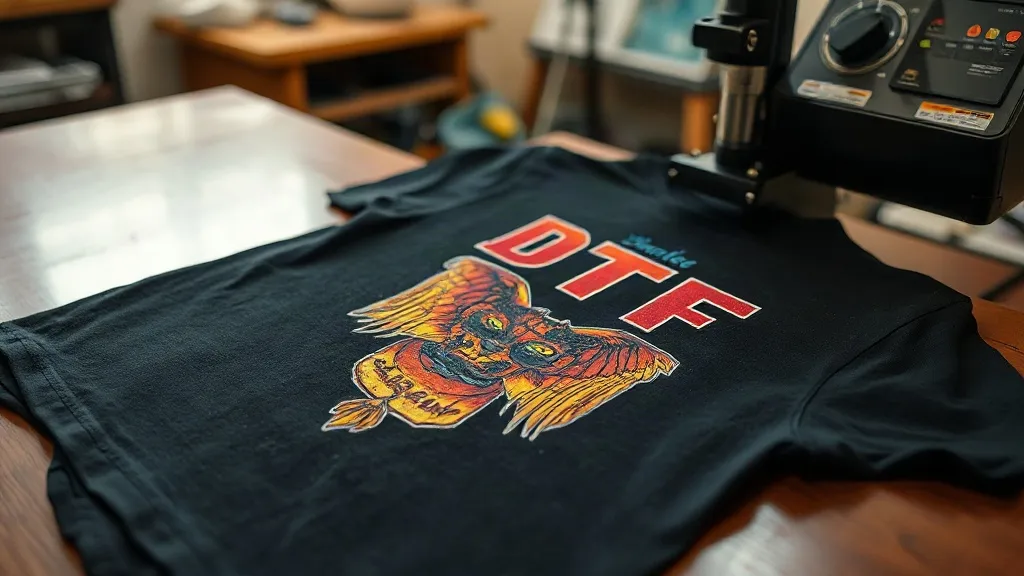
Custom apparel has never been more accessible, thanks to dtf printing technology. Whether you're a small business owner, a hobbyist, or someone looking to create personalized gifts, DTF transfers offer a versatile and cost-effective solution. In this guide, we'll explore what DTF transfers are, how they work, and why they might be the perfect fit for your next project.
What Are DTF Transfers?
DTF stands for Direct to Film. It's a printing method where your design is printed onto a special film, coated with a powder adhesive, and then heat-pressed onto fabric. Unlike traditional methods like screen printing or vinyl cutting, DTF transfers don't require weeding or multiple screens. This makes them ideal for intricate designs with fine details, gradients, and vibrant colors.
The process begins with a digital printer that uses special DTF inks. These inks are vibrant and durable, capable of producing photo-quality images. Once printed, the design is dusted with a hot-melt adhesive powder, which ensures a strong bond when heat-pressed. The film is then cured, and it's ready to be applied to a wide range of fabrics, including cotton, polyester, and blends.
Why Choose DTF Transfers?
There are several compelling reasons to consider DTF transfers for your custom apparel needs. First and foremost, they offer unmatched versatility. You can print on almost any fabric color, including dark shirts, without the need for a white underbase. This opens up a world of possibilities for your designs.
Secondly, DTF transfers are incredibly durable. When applied correctly, they can withstand repeated washing without fading, cracking, or peeling. This makes them perfect for items that will see regular wear, like t-shirts, hoodies, and tote bags.
Another advantage is the cost-effectiveness for small to medium batches. Unlike screen printing, which requires a separate screen for each color and can be expensive for short runs, DTF transfers have a low setup cost. You can print one-off designs or small quantities without breaking the bank.
Finally, the learning curve is relatively gentle. With a bit of practice, you can achieve professional-looking results at home. No need for expensive equipment like a screen printing press; a good heat press and a DTF printer are the main requirements.
How to Apply DTF Transfers
Applying dtf transfers is a straightforward process, but attention to detail is key to getting a flawless finish. Here's a step-by-step guide to help you get started.
Step 1: Prepare Your Workspace
Set up your heat press on a sturdy, heat-resistant surface. Ensure you have a Teflon sheet or parchment paper handy to protect your garment and the press. Preheat your heat press to the temperature recommended by your transfer supplier, typically around 325°F to 375°F (160°C to 190°C).
Step 2: Preheat the Garment
Place your garment on the heat press and preheat it for a few seconds. This removes moisture and wrinkles, creating a smooth surface for the transfer. A quick 5-second press should suffice.
Step 3: Position the Transfer
Place the DTF transfer onto the garment with the printed side facing up. If your design has a specific orientation, make sure it's aligned correctly. You can use heat-resistant tape to hold it in place if needed.
Step 4: Apply Heat and Pressure
Cover the transfer with a Teflon sheet or parchment paper. Press down with medium to firm pressure for the time specified by the transfer manufacturer, usually 10 to 15 seconds. Avoid moving the press during this time to prevent blurring.
Step 5: Peel the Film
After pressing, remove the garment from the press and allow it to cool for a few seconds. Then, peel off the film in a smooth, consistent motion. If the design peels up with the film, it means the transfer wasn't pressed long enough or the pressure was insufficient. In that case, replace the film and press again for a few more seconds.
Step 6: Post-Press (Optional)
For added durability, you can cover the design with a Teflon sheet and press again for another 5 to 10 seconds. This helps the adhesive fully bond with the fabric.
Common Mistakes to Avoid
Even though DTF transfers are user-friendly, some common pitfalls can affect the outcome. Here are a few to watch out for:
- Insufficient pressure: If the pressure is too light, the transfer won't adhere properly, leading to peeling. Make sure your heat press applies even, firm pressure.
- Wrong temperature: Too hot and the film may melt or the design may scorch; too cold and the adhesive won't activate. Always follow the recommended settings.
- Not preheating the garment: Skipping this step can result in moisture trapped between the fabric and the transfer, causing poor adhesion.
- Peeling too soon: Waiting a few seconds after pressing before peeling is crucial. Peeling while hot can distort the design.
- Using the wrong fabric: While DTF works on many fabrics, some specialty fabrics like nylon or leather may require different settings or may not be suitable at all.
DTF vs. Other Printing Methods
How does DTF stack up against other popular printing techniques? Let's compare.
DTF vs. Screen Printing
Screen printing is great for large orders of simple designs with few colors. It offers a soft feel and excellent durability. However, it's not cost-effective for small batches or complex, multi-color designs. DTF transfers, on the other hand, excel in these areas, providing vibrant, detailed prints without the setup costs.
DTF vs. DTG
Direct-to-Garment (DTG) printing is another digital method that prints directly onto the fabric. It's excellent for 100% cotton and produces soft, breathable prints. However, DTG requires pre-treatment and can be slow. DTF transfers are faster, work on more fabric types, and often have a more durable finish.
DTF vs. Vinyl
Heat transfer vinyl (HTV) is popular for simple designs and personalization. It's easy to use but limited to single-color designs and requires weeding, which can be time-consuming for intricate patterns. DTF transfers eliminate weeding and allow for full-color, detailed artwork.
Tips for Success with DTF Transfers
To ensure your DTF transfers look professional and last long, keep these tips in mind:
- Choose quality materials: Invest in a reliable DTF printer, quality inks, and high-quality film. Cheaper alternatives may lead to poor results.
- Test your settings: Every heat press is different. Do a test press with a small design to dial in the perfect temperature, pressure, and time.
- Store transfers properly: Keep unused transfers in a cool, dry place, away from direct sunlight. This prevents the adhesive from drying out.
- Wash garments inside out: To prolong the life of your DTF prints, wash them inside out in cold water and avoid harsh detergents. Tumble dry on low or hang dry.
- Practice makes perfect: Don't be discouraged by initial mistakes. With practice, you'll master the technique and achieve consistent, stunning results.
Frequently Asked Questions
How long do DTF transfers last?
When applied correctly and cared for properly, DTF transfers can last as long as the garment itself. They are highly durable and resistant to cracking, peeling, and fading. Following the washing instructions will help maintain their vibrancy.
Can I use DTF transfers on dark colors?
Absolutely! One of the biggest advantages of DTF transfers is that they can be applied to dark fabrics without a white underbase. The white ink layer in the transfer ensures the colors pop, even on black or navy garments.
What fabrics work best with DTF transfers?
DTF transfers adhere well to a wide range of fabrics, including cotton, polyester, cotton-poly blends, and even some synthetic materials. They are not recommended for fabrics with a heavy texture or those that cannot withstand heat, such as certain nylons or leathers.
Do I need a special printer for DTF?
Yes, you need a DTF printer that uses DTF inks and is designed to print on film. However, you can also purchase pre-printed DTF transfers from suppliers if you don't want to invest in a printer. This is a great option for those who want to try DTF without the upfront cost.
How do I remove a DTF transfer if I make a mistake?
If you need to remove a DTF transfer, you can re-press the garment with a Teflon sheet and try to peel it off while hot. Sometimes a bit of adhesive remains; you can use a specialized adhesive remover or try pressing again with a piece of fabric over it to lift the residue.
DTF transfers are a game-changer in the world of custom apparel. They offer unparalleled versatility, durability, and ease of use. Whether you're a seasoned pro or just starting out, incorporating DTF transfers into your workflow can open up new creative possibilities. So why not give it a try? Your next custom creation could be your best one yet.