
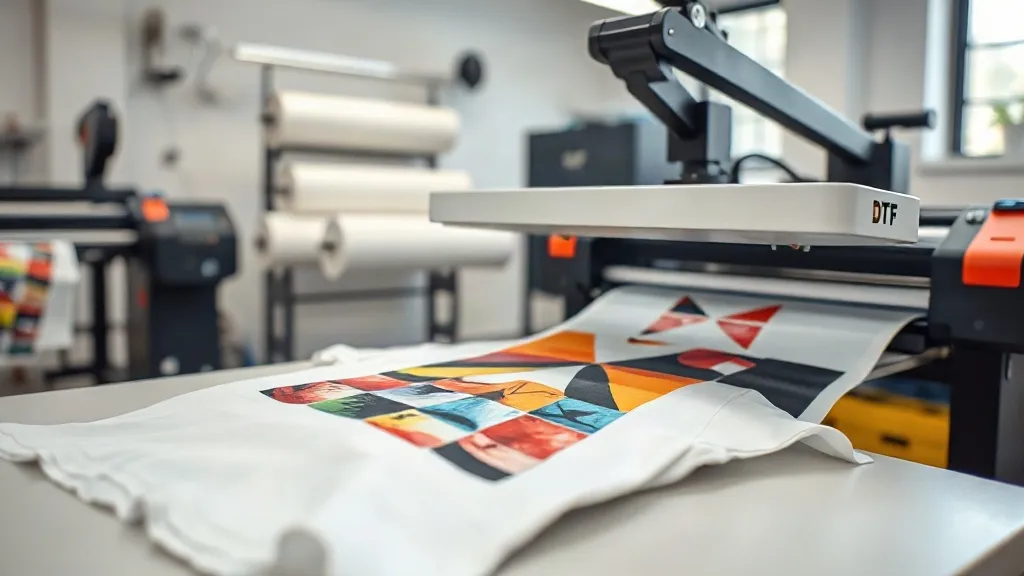
When you first hear about dtf printing, it might sound like just another industry acronym. But for anyone who creates custom apparel, from small business owners to hobbyists, DTF transfers are changing the game. Unlike traditional methods that limit your fabric choices or require complex setups, DTF (Direct to Film) offers a versatile, cost-effective way to produce vibrant, long-lasting designs on almost any material. In this guide, we'll walk you through everything you need to know about DTF transfers, from how they work to why they might be the perfect solution for your next project.
What Are DTF Transfers?
DTF stands for Direct to Film. It's a printing technology where your design is printed onto a special film, coated with a powder adhesive, and then heat-pressed onto the fabric. The result is a soft, stretchable print that bonds permanently to the material. Unlike DTG (Direct to Garment) printing, which requires specially pre-treated shirts, DTF transfers can be applied to a wide range of fabrics, including cotton, polyester, blends, and even nylon. This flexibility makes DTF a favorite among crafters and commercial printers alike.
How DTF Transfers Work: A Step-by-Step Overview
Understanding the process helps you appreciate the magic behind DTF transfers. Here's a simplified breakdown:
- Design Creation: You create your artwork using graphic design software. The design is then printed onto a PET film using specialized DTF printers and inks.
- Powder Application: While the ink is still wet, a thermoplastic powder is applied evenly over the print. This powder acts as the adhesive that will bond the design to the fabric.
- Curing: The film passes through a heat source to melt the powder, creating a solid, flexible layer.
- Transfer: The film is placed onto the garment and heat-pressed. The adhesive melts, embedding the ink into the fabric fibers.
- Peel: After pressing, the film is peeled away (hot or cold peel, depending on the film type), leaving the design behind.
The entire process can be done in-house with the right equipment, making it ideal for on-demand production.
Why Choose DTF Transfers Over Other Printing Methods?
If you're familiar with screen printing, vinyl, or DTG, you might wonder what sets DTF apart. Here are the key advantages:
- Fabric Versatility: DTF works on cotton, polyester, blends, leather, and more. No need to stock multiple shirt types.
- No Weeding or Masking: Unlike vinyl, there's no tedious weeding process. Just print, powder, cure, and press.
- Vibrant Colors: DTF printers use CMYK plus white ink, allowing for bright, opaque designs on dark fabrics without a separate white underbase.
- Durability: When applied correctly, DTF prints withstand dozens of washes without cracking or fading.
- Cost-Effective for Short Runs: No setup fees or minimums, making it perfect for small batches or one-off custom items.
For many, the biggest draw is the ability to produce full-color, photographic-quality images on demand without the constraints of screen printing.
Getting Started with DTF Transfers
Ready to dive in? Here's what you'll need:
Essential Equipment
- DTF Printer: A dedicated DTF printer with white ink circulation. Brands like Epson, Roland, and Mutoh offer models, or you can convert certain eco-solvent printers.
- DTF Inks: Specialized pigment inks designed for DTF, including white.
- PET Film: Available in rolls or sheets; choose matte or glossy depending on your printer.
- Adhesive Powder: Thermoplastic polyurethane (TPU) powder, often in fine or coarse grades.
- Curing Oven or Heat Gun: To melt the powder.
- Heat Press: A reliable heat press with accurate temperature and pressure control.
Supplies and Software
You'll also need design software (Adobe Photoshop, Illustrator, or free alternatives like GIMP or Inkscape) and a way to prepare your files. Most DTF printers come with RIP software that handles color management and white ink layering.
Tips for Perfect DTF Transfers
Even with the right equipment, technique matters. Here are some pro tips to ensure success:
- Pre-press the Garment: Remove moisture and wrinkles before transferring. This helps the adhesive bond properly.
- Use the Right Pressure: Medium to high pressure is key. Too little and the design won't adhere; too much and you might flatten the fabric.
- Temperature Matters: Typically, 300-320°F (150-160°C) for 10-15 seconds. Always check your film and powder specifications.
- Peel Carefully: Hot peel films require immediate removal; cold peel films need to cool completely. Follow the manufacturer's instructions.
- Wash Inside Out: For longevity, advise customers to wash garments inside out in cold water and avoid harsh detergents.
These small steps can make a big difference in print durability and appearance.
Common Applications for DTF Transfers
DTF is incredibly versatile. Here are just a few ways people are using it:
- Custom T-shirts: From band merch to team uniforms, DTF handles complex designs with ease.
- Activewear: The stretchable nature of DTF prints makes them ideal for leggings, sports jerseys, and yoga tops.
- Denim and Jackets: Add intricate designs to denim without the stiffness of traditional screen printing.
- Home Decor: Personalize pillowcases, tote bags, and even canvas shoes.
- Promotional Items: Small businesses can create branded merchandise on demand.
Because dtf transfers don't require a minimum order, they're perfect for testing new designs or offering one-of-a-kind pieces.
Challenges and How to Overcome Them
No printing method is without its quirks. With DTF, you might encounter:
- Clogged Printheads: White ink tends to settle, so regular maintenance and daily printing are crucial.
- Inconsistent Adhesion: This often comes down to powder application or pressing parameters. Invest in a good powder shaker and follow temperature guidelines.
- Color Accuracy: Without proper ICC profiles, colors may look off. Use RIP software and calibrate your monitor.
- Film Selection: Not all films work with all printers. Test different brands to find what works best for you.
With practice, these issues become manageable, and the benefits far outweigh the learning curve.
Is DTF Right for Your Business?
If you're a small business owner looking to offer custom apparel without huge upfront costs, DTF is worth considering. It allows you to print on demand, reduce inventory, and offer a wide range of products. For established screen printers, DTF can complement existing services by handling short runs and complex designs. And for hobbyists, it opens up a world of creative possibilities without needing a full print shop.
Frequently Asked Questions About DTF Transfers
How long do DTF transfers last?
When applied correctly, DTF prints can last 50+ washes without significant fading or cracking. Proper washing (inside out, cold water) extends their life.
Can I use DTF on 100% polyester?
Yes, DTF adheres well to polyester and polyester blends. However, lower temperatures may be needed to avoid scorching, so always test first.
Do I need a special printer for DTF?
While dedicated DTF printers are recommended, some eco-solvent printers can be converted. The key is using DTF inks and a white ink channel.
What's the difference between DTF and DTG?
DTG prints directly onto the garment, requiring pre-treatment and typically working best on 100% cotton. DTF uses a film transfer, works on more fabrics, and often produces more vibrant colors on dark garments.
How do I store DTF transfers?
Store unused transfers in a cool, dry place, away from direct sunlight. They can last for months if kept properly.
DTF transfers are more than a trend; they're a practical solution for modern garment decoration. Whether you're just starting out or looking to expand your offerings, understanding this technology can give you a competitive edge. With a modest investment and a bit of practice, you can produce professional-quality custom apparel right from your studio.