
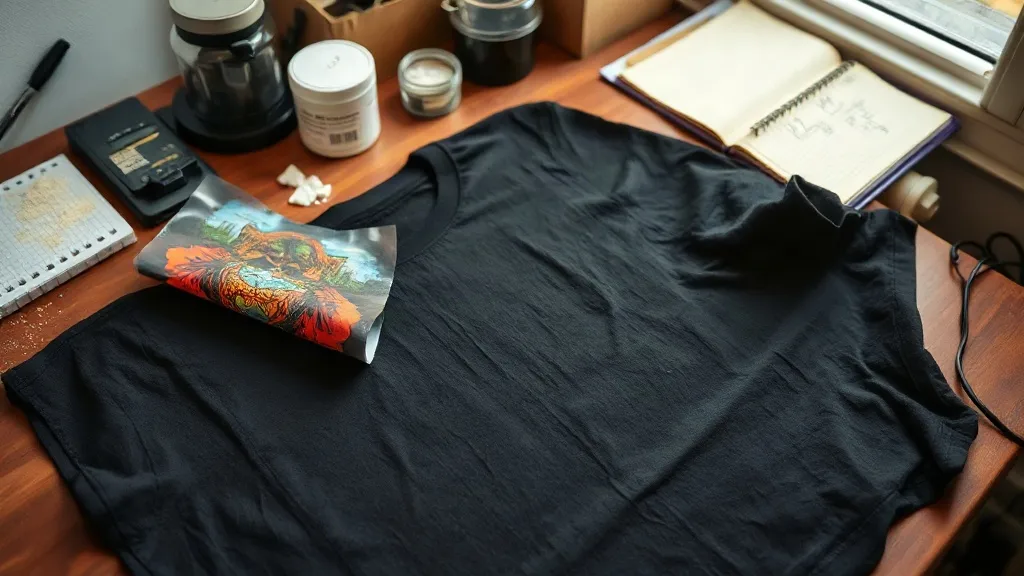
When a print shop owner first hands you a freshly pressed shirt and says it came off a roll of film, not a screen or a vinyl cutter, the natural reaction is skepticism. Then you stretch the fabric, look at the edge of the design, and realize the color holds up even where the knit pulls apart. That moment is usually when people start taking dtf transfers seriously. The method has moved from niche curiosity to a standard tool in small shops, home setups, and print-on-demand operations, and for good reason: it solves problems that heat transfer vinyl and screen printing handle poorly at small scale.
This guide is not a sales pitch. It is a walkthrough of what dtf printing actually involves, where it quietly outperforms older methods, and the mistakes that cost beginners the most money in their first few months.
What DTF Printing Actually Does
Direct to film printing works in three stages. First, a printer lays down water-based pigment inks onto a special PET film. Then a powder adhesive, usually a thermoplastic polyurethane, is applied to the wet ink and cured so it melts into the design. Finally, the film is placed on a garment and pressed with heat, which transfers the ink and adhesive onto the fabric in one shot.
The important detail is that the adhesive, not the ink, does the bonding. That is why the method works on cotton, polyester, blends, canvas, and even some nylon without the color shifting or the print cracking the way vinyl does when it stretches. A 50/50 poly-cotton tee and a 100% polyester performance shirt can take the same transfer with only a small adjustment in press temperature and time.
Why Shops Adopt It So Quickly
Screen printing requires a screen per color, a setup fee, and a minimum run that makes sense only above a few dozen pieces. Vinyl cutting requires weeding, which is slow and unforgiving on fine detail. DTF sidesteps both. A single transfer can carry a full-color, photorealistic image with gradients and fine lines, and you can press exactly one if that is all the customer ordered.
That flexibility changes the economics of small jobs. A shop can take a three-shirt order for a local team, a one-off memorial shirt, and a batch of forty hoodies in the same afternoon without switching processes. For anyone running a side business from a garage, that range matters more than raw speed.
The Details That Separate Good Prints From Bad Ones
Most complaints about DTF come down to a handful of variables. None of them are mysterious, but each one is easy to get wrong when you are learning.
Film and Powder Quality
Cheap film tends to curl at the edges during printing and releases unevenly during pressing. Cheap powder clumps, cures unevenly, and leaves a stiff, plastic-feeling patch on the garment. The difference between a soft print that survives fifty washes and one that cracks after five usually traces back to the consumables, not the press operator.
Moisture Control
DTF powder is hygroscopic, meaning it absorbs moisture from the air. A humid shop or an open container left out overnight can ruin a batch. Storing powder sealed with a desiccant pack and shaking it before use is a small habit that prevents a lot of wasted film.
Press Settings That Match the Fabric
There is no single correct temperature. Cotton generally wants a slightly higher temperature and longer dwell than polyester, which can scorch or develop a sheen if pressed too hot. A common starting point is around 160°C for 10 to 15 seconds with medium pressure, then a cold peel, but every press runs a little differently. Keeping a notebook of settings per fabric type is the fastest way to build consistency.
Peel Temperature
Hot peel and cold peel films exist, and mixing them up causes the most frustrating failures. Peel too early on a cold-peel film and the design distorts. Wait too long on a hot-peel film and the adhesive sets into the carrier instead of the fabric. Match the peel to the film specification, not to habit.
Finding Reliable DTF Transfers Near Me
Searching for dtf transfers near me usually turns up two kinds of suppliers: local print shops that offer transfers as a service, and online suppliers who ship gangs of transfers by mail. Both have a place, and the right choice depends on your volume and timeline.
Local suppliers win on turnaround and troubleshooting. You can bring in a problem garment, show the cracked print, and get a straight answer about what went wrong. For a shop doing same-day orders, that access is worth the higher per-unit cost.
Online suppliers win on price and variety at volume. A gang sheet with dozens of designs on one film lowers the cost per print dramatically, and you are not limited to what a local shop stocks. The tradeoff is shipping time and the risk of receiving film that was stored badly in transit. Ordering a small test batch before committing to a large run is the sensible first step with any new supplier.
Questions Worth Asking a Supplier
- What film brand and thickness do you use, and is it hot peel or cold peel?
- How is the powder applied, and do you cure in a tunnel oven or by hand?
- What is the shelf life of your transfers, and how should I store them?
- Can you send a sample gang sheet before I order at volume?
A supplier who answers these without hesitation is usually one who understands the process. Vague answers about film type or curing are a warning sign.
Wash Durability and What to Tell Customers
A properly pressed DTF transfer on a compatible fabric will typically hold up through dozens of wash cycles. The failure modes are predictable: washing inside out matters less than avoiding high heat in the dryer, and washing in cold water extends the life of any print. Telling customers to turn the garment inside out, skip fabric softener on the printed area, and tumble dry low is not overkill. It is the difference between a repeat customer and a complaint.
It also helps to set expectations honestly. DTF prints sit on top of the fabric rather than soaking in like dye, so they have a slight hand feel. On a heavyweight cotton tee, most people barely notice. On a thin, stretchy performance shirt, a large solid-color block can feel a bit stiffer than a smaller design. Choosing designs that work with the fabric rather than against it is part of the craft.
Where DTF Fits in a Growing Shop
The shops that get the most out of DTF treat it as one tool among several, not a replacement for everything. Screen printing still wins on large runs of simple designs. Embroidery still wins on polos and corporate wear. DTF wins on short runs, complex artwork, and anything where the customer wants a fast answer and a single piece.
Starting small is the sanest path. A modest printer, a reliable heat press, and a consistent supplier will get a beginner through the first hundred jobs. Once the workflow is stable, the volume decisions become obvious: whether to add a tunnel oven, whether to buy film in bulk, whether to offer transfers to other shops as a wholesale service. Each of those choices is easier to make after you have pressed a few hundred shirts and know exactly where your bottlenecks sit.
Frequently Asked Questions
Can DTF transfers be applied to dark-colored shirts?
Yes, and this is one of the method's strengths. The white ink layer in the transfer acts as an opaque base, so full-color designs stay vivid on black, navy, and other dark fabrics without the color shifting that happens with dye-based processes.
How long do DTF transfers last once printed?
Stored flat, away from humidity and direct sunlight, cured transfers generally keep for several months. Powder that absorbs moisture is the main risk, so keeping them sealed and dry matters more than the exact number of weeks.
Do I need a special heat press for DTF?
Any press that holds consistent temperature and pressure will work. What matters is knowing your press's actual platen temperature, since dial readings can drift. An infrared thermometer is a cheap way to verify what you are actually pressing at.
Is DTF more expensive than vinyl?
Per print, DTF often costs more than a simple single-color vinyl cut. The comparison shifts once a design has multiple colors or fine detail, where vinyl requires layering and weeding time that DTF eliminates entirely. For complex artwork, DTF is usually the cheaper option once labor is counted.