
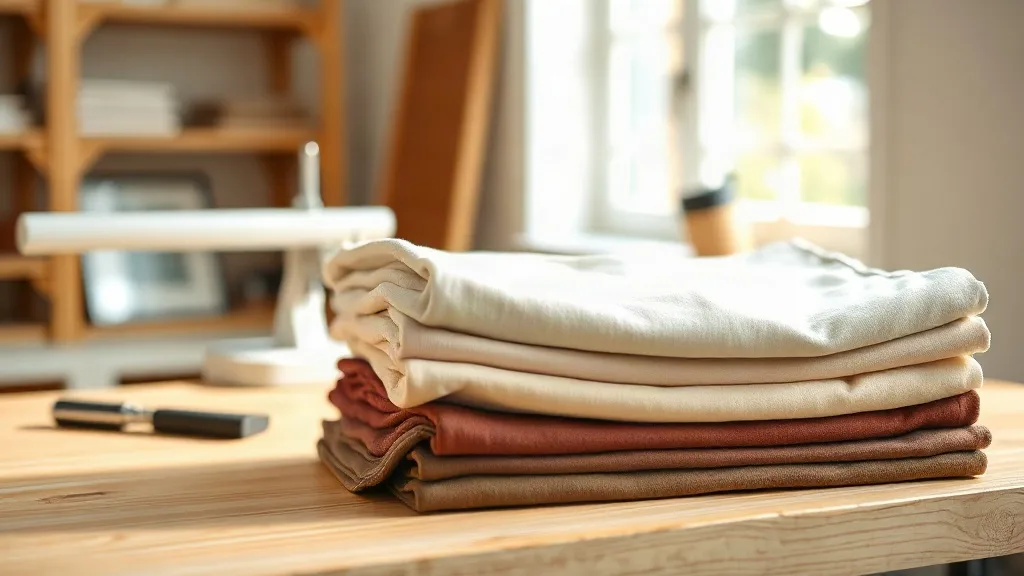
Most people judge a custom shirt in about two seconds. They feel the fabric, glance at the seams, and decide whether it looks like something worth wearing twice a week. What rarely crosses their mind is that the design itself is only half the story. The other half is the shirt underneath it, and that is exactly where smart blanks earn their keep. A strong blank does not just hold ink or embroidery; it changes how a print reads, how a garment drapes, and how long the whole thing survives a washing machine.
If you have ever ordered a batch of custom tees and felt vaguely disappointed without being able to explain why, the blank was probably the culprit. The artwork was fine. The blank was thin, boxy, or cut in a way that made the print look like a sticker instead of part of the garment. This guide walks through what actually separates a good blank from a cheap one, how to evaluate them before you commit to a bulk order, and where most buyers go wrong.
What "Smart Blanks" Actually Means in Practice
The phrase gets thrown around loosely, so it helps to be specific. A smart blank is a garment chosen deliberately for decoration rather than grabbed because it was the cheapest option on a supplier list. That means the fabric weight suits the print method, the cut flatters a range of body types, the color holds up after repeated washing, and the seams do not pucker the moment heat or tension is applied.
There is no single perfect blank, which is the part people miss. A 4.5 oz ring-spun cotton tee is a smart blank for a summer event where softness and breathability matter most. A 6.5 oz heavyweight is a smart blank for merch that needs to feel substantial in the hand. The intelligence is in the match between garment and purpose, not in a universal spec sheet.
The specs that actually matter
- Fabric weight: Measured in ounces per square yard for knits. Under 4 oz feels flimsy and can show through. 4.2 to 5.5 oz covers most everyday wear. Above 6 oz reads as premium and structured.
- Yarn and spin: Ring-spun cotton is softer and smoother than open-end cotton because the fibers are combed and aligned. It also takes finer detail in screen printing.
- Stitch density: Double-needle hems and a tight shoulder-to-shoulder taping job are the quiet signals of a garment built to last.
- Shrinkage: Pre-shrunk or compacted fabric protects you from the unpleasant surprise of a size medium becoming a small after the first wash.
- Color consistency: Dye lots vary. If you are printing a multi-piece run, confirm that all units come from the same lot or the shades will drift.
Why the Blank Decides How Your Design Reads
Print methods behave differently on different surfaces, and this is where cheap blanks expose themselves. Plastisol screen printing sits on top of the fabric and needs a smooth, tightly knit surface to hold crisp edges. On a loosely knit, low-quality tee, the ink can crack along the grain of the fabric after a dozen washes because the garment flexes in ways the ink cannot follow.
Water-based and discharge printing go the other direction. They soak into the fibers and produce a soft, worn-in feel, but they only work well on 100% cotton with consistent absorbency. Blends with a high polyester content resist water-based inks, which is why a print that looked rich on a sample can turn out patchy on a cheaper substitute.
Embroidery has its own rules. A lightweight, stretchy jersey will pucker under dense stitch counts unless it is stabilized properly. A slightly heavier, denser knit handles embroidery with far less fuss and holds the shape of the logo over time. If your project involves logos, uniforms, or anything with fine lettering, the blank is not a background detail. It is part of the production decision.
A quick comparison by use case
- Event and giveaway tees: Prioritize softness and a flattering unisex or fitted cut. Weight matters less than how it feels on day one, since these get worn once or twice.
- Retail or brand merch: Go heavier and pay attention to collar construction. A ribbed collar that holds its shape is the difference between merch people keep and merch people bin.
- Workwear and uniforms: Durability and colorfastness lead. Look for tighter knits that resist pilling and hold up to industrial washing.
- Premium or limited drops: Consider garment-dyed or heavyweight blanks. The texture and weight do the marketing for you before anyone reads the label.
How to Evaluate a Blank Before a Bulk Order
Ordering one sample and calling it done is the most common mistake in decorated apparel. One sample tells you how a garment feels out of the bag. It does not tell you how it behaves after five wash cycles, how it takes your specific print method, or whether the sizing runs true across the range.
A better process looks like this. Request samples in the exact colors you plan to use, because dye affects hand feel more than people expect. Print or embroider a test piece with your actual artwork at the actual size, not a scaled-down placeholder. Then wash it three to five times at the temperature your end customer will realistically use, and inspect for shrinkage, cracking, fading, and seam distortion.
Pay attention to the collar while you are at it. Stretch it gently and let go. A collar that springs back has good recovery; one that stays stretched will look tired within weeks. Check the shoulder seams too. If they are single-stitched and thin, they will be the first thing to fail.
Questions worth asking your supplier
- Is the fabric pre-shrunk or compacted, and what is the expected shrinkage rate?
- Which dye lots are currently in stock, and can you hold a lot for a repeat order?
- What is the recommended print method for this specific fabric blend?
- Are sizes consistent across colors, or do darker dyes run differently?
The Cost Conversation Nobody Wants to Have
Cheaper blanks look like savings on the invoice and turn into costs everywhere else. Reprints eat margin. Returns eat trust. A customer who receives a shirt that shrinks or pills does not blame the blank, they blame your brand, and that judgment sticks.
The math usually favors spending a little more per unit on a blank that behaves. If a slightly better garment reduces your defect and reprint rate even modestly, the effective cost per sellable piece drops. That is the entire argument for choosing smart blanks deliberately rather than defaulting to whatever is on the shelf.
It also pays to think about the long tail. A shirt that survives two years of regular wear keeps your logo in circulation. A shirt that falls apart in three months does the opposite. In decorated apparel, longevity is a marketing channel, and it starts with the garment you chose before a single drop of ink touched it.
Common Mistakes That Undermine a Good Blank
Even a well-chosen garment can be ruined downstream. Over-stretching a shirt on the platen during screen printing distorts the knit and causes the print to sit crooked once it relaxes. Curing ink at the wrong temperature either under-cures it, so it washes out, or scorches the fabric, so it yellows. Storing finished pieces in damp conditions invites mildew that no amount of quality fabric can survive.
Sizing is another quiet failure point. Blanks from different suppliers rarely match exactly, so if you switch sources mid-project without checking, your size run will drift. Always measure a flat-lay chest width and body length against your previous batch before approving a new one.
Frequently Asked Questions
What is the best fabric weight for a custom t-shirt?
For everyday wear, 4.5 to 5.5 oz ring-spun cotton hits the sweet spot between softness and durability. Choose 6 oz and above if you want a structured, premium feel, and go lighter only for warm-weather events where breathability outweighs longevity.
Do smart blanks cost significantly more than standard blanks?
The per-unit difference is often modest, especially at volume. When you factor in lower reprint rates and fewer returns, better blanks frequently cost less overall than cheap ones. The real expense is a failed run, not the upgrade itself.
Can I print on any blank, or does the fabric limit my options?
Fabric composition and knit tightness directly affect which print methods work. Water-based and discharge inks need high cotton content, plastisol needs a smooth tight knit, and embroidery needs enough density to support stitches without puckering. Confirm compatibility before you commit.
How many washes should a quality custom shirt survive?
A well-made cotton tee with a properly cured print should hold its shape, color, and print integrity through dozens of normal wash cycles. If you see cracking, fading, or noticeable shrinkage within the first five washes, the issue is usually the blank, the cure, or both.
Should I order samples before a large custom order?
Always. Request the exact colors and print method you plan to use, then wash the sample several times before approving the full run. It is the cheapest insurance you can buy against a bulk order you cannot sell.