
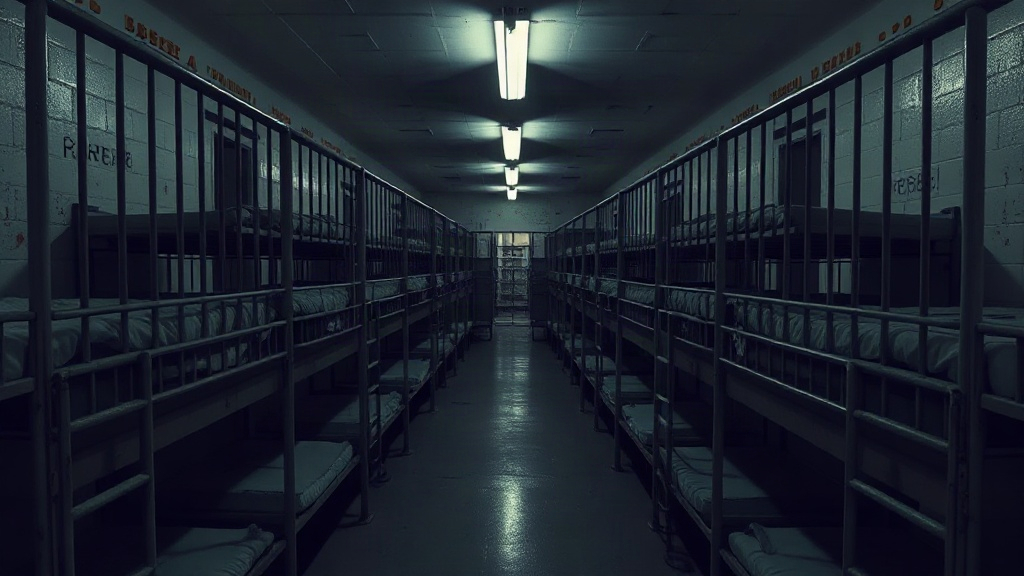
When Pia Sinha took the helm of the Prison Reform Trust in 2023, she brought with her more than two decades of experience in the Prison Service, where she earned a reputation as a fixer. Now, she is using that platform to sound the alarm about a crisis that has been simmering for years: the UK's prisons are dangerously overcrowded, understaffed, and increasingly conducive to organised crime. The consequences are far-reaching, affecting not only those behind bars but also the safety of communities across the country.
The Overcrowding Crisis: A Tipping Point
The UK prison system has been teetering on the brink for years, but recent events have pushed it over the edge. In October 2023, the government introduced an early release scheme to alleviate pressure. By May 2024, Operation Safeguard was launched, using police cells as temporary accommodation for prisoners. These emergency measures are clear indicators that the system is failing.
Sinha notes that the situation has only worsened with the change of government. When Andy Burnham took office in July, he paused the early release scheme, a decision that Sinha acknowledges was a "hospital pass"—a difficult situation inherited from his predecessor. The negative headlines that followed highlight the impossible choices facing policymakers: release prisoners early and risk public safety, or keep them locked up in conditions that breed violence and criminality.
How Overcrowding Fuels Organised Crime
Overcrowding is not just a matter of discomfort; it is a catalyst for criminal activity. When prisons are packed beyond capacity, staff are stretched thin, and supervision becomes minimal. This creates an environment where gangs and organised crime groups can operate with relative impunity. Vulnerable inmates are easily coerced into debt, drug trafficking, or violence. The prison becomes a recruiting ground for criminal networks, and released prisoners often return to their communities with enhanced criminal skills and connections.
Sinha's warnings are backed by decades of research. Studies have consistently shown that overcrowded prisons are associated with higher rates of recidivism. The lack of rehabilitation programmes, education, and mental health support means that many prisoners leave prison worse off than when they entered. The cycle of crime continues, and communities suffer.
The Human Cost: Staff and Prisoners Alike
Behind the statistics are real people. Prison officers are quitting in record numbers, citing burnout, low pay, and unsafe working conditions. Those who remain are often forced to choose between their own safety and that of the inmates. The result is a toxic environment where violence is commonplace and mental health issues go untreated.
For prisoners, the lack of purposeful activity—work, education, or training—means that days are spent idly, often in cells for up to 23 hours a day. This idleness breeds frustration and aggression. It also leaves prisoners unprepared for release, increasing the likelihood they will reoffend.
What Can Be Done?
Sinha and the Prison Reform Trust advocate for a holistic approach. First, reducing the prison population by diverting non-violent offenders to community sentences would immediately ease overcrowding. Second, investing in rehabilitation programmes, including mental health services, education, and job training, would give prisoners a genuine chance to turn their lives around. Third, improving pay and conditions for prison staff would help retain experienced officers and attract new recruits.
But these solutions require political will and funding. The current government has announced plans to build more prisons, but Sinha argues that simply creating more capacity without addressing the underlying issues is a short-term fix that will not solve the problem. "We need to think about who we are sending to prison and why," she says. "Prison should be a last resort, not a default."
Conclusion: A Call to Action
The truth about UK prisons and organised crime is uncomfortable. The system is failing, and the consequences are dire. But there is hope. By listening to experts like Pia Sinha and implementing evidence-based reforms, we can create a justice system that prioritises rehabilitation over punishment and safety over expediency. The alternative—a continued spiral of overcrowding, violence, and recidivism—is a cost we cannot afford.
Frequently Asked Questions
What is Operation Safeguard?
Operation Safeguard is a contingency measure launched in May 2024 by the UK government to use police cells as temporary accommodation for prisoners due to overcrowding in prisons.
How does overcrowding contribute to organised crime in prisons?
Overcrowding leads to reduced staff supervision, allowing gangs to operate more freely. Vulnerable inmates are coerced into criminal activities, and prisons become recruiting grounds for organised crime networks.
What are the main challenges facing UK prisons?
The main challenges include severe overcrowding, staff shortages, lack of rehabilitation programmes, and high rates of violence and self-harm. These issues create a cycle of reoffending and fail to prepare prisoners for release.
What solutions does the Prison Reform Trust propose?
The Prison Reform Trust advocates for reducing the prison population through community sentences for non-violent offenders, investing in rehabilitation and mental health services, and improving pay and conditions for prison staff.
Why is Pia Sinha's leadership significant?
Pia Sinha brings over 20 years of experience in the Prison Service, where she was known as a fixer. Her leadership at the Prison Reform Trust provides credible, evidence-based advocacy for urgent prison reform.