
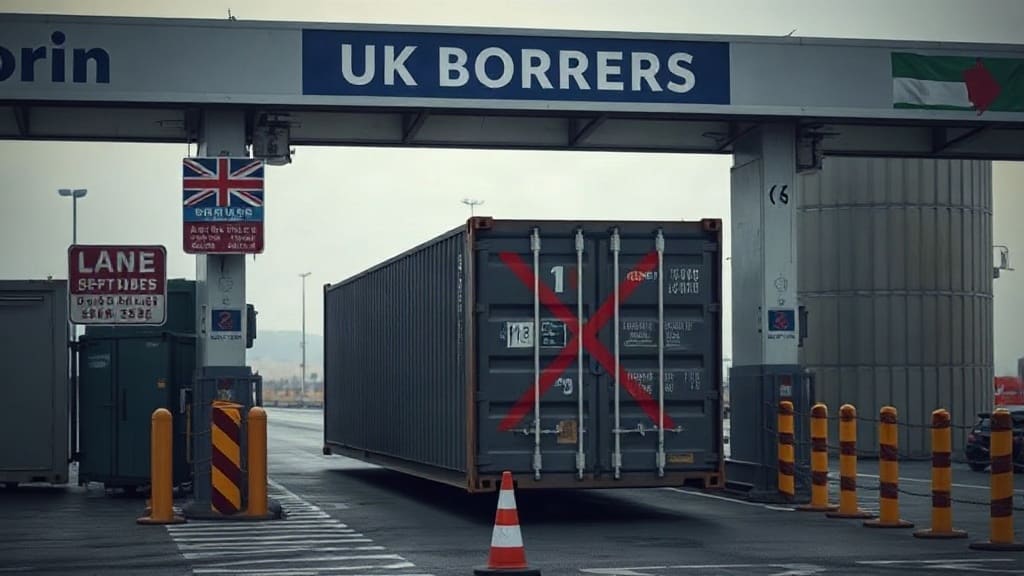
For years, Britain has condemned Israeli settlements as illegal under international law, yet its economic ties with them have quietly continued. This contradiction has allowed the expansion of settlements to proceed with little consequence. Now, a promised 'comprehensive reset' of UK policy toward Israel has raised hopes that London will finally match its words with action. But a partial ban on settlement goods is not enough. Britain must prohibit all economic activity that sustains settlements, from financing to construction to insurance. Only then can it claim to uphold the rules-based international order it so often champions.
The issue has gained urgency as settlement expansion accelerates and violence against Palestinians rises. The international community, including the United Nations and the European Union, has repeatedly affirmed that settlements are illegal and undermine the two-state solution. Yet many states continue to trade with them, effectively normalizing a situation that should be treated as a violation of law. Britain has a unique responsibility due to its historical role in the region and its stated commitment to human rights. The time for half-measures has passed.
The Legal and Moral Case for a Full Ban
Under international law, Israeli settlements in the West Bank, including East Jerusalem, are illegal. The Fourth Geneva Convention prohibits an occupying power from transferring its civilian population into occupied territory. The International Court of Justice has affirmed this in its advisory opinions. Britain has officially accepted this legal position, yet it continues to allow trade with settlements. This inconsistency undermines Britain's credibility on the world stage and sends a message that illegal actions can be profitable.
A full ban would not be unprecedented. The European Union has already implemented guidelines that exclude settlement entities from certain funding and labeling requirements. However, these measures are limited. Britain could go further by prohibiting any company from providing goods, services, or resources that directly or indirectly support settlements. This would include financial services, construction materials, technology, and even tourism that promotes settlements. The moral argument is equally strong: every pound spent on settlement goods helps entrench an illegal enterprise that displaces Palestinians and violates their rights.
Why Partial Measures Fail
Current UK policy focuses on labeling settlement products, which allows consumers to make informed choices. While well-intentioned, this approach has little impact. Settlement goods are often integrated into broader supply chains, making them hard to distinguish. Moreover, labeling does not stop the economic benefit that flows to settlements. A consumer boycott is voluntary and limited; a legal ban would be mandatory and comprehensive.
Some argue that a ban would harm Palestinian workers employed in settlements. However, this concern is outweighed by the need to end the illegal enterprise itself. Alternative economic opportunities for Palestinians can and should be developed, but not at the expense of legitimizing settlements. The international community has a duty to ensure that no one profits from illegal activity.
The Economic Dimensions of Settlement Trade
Israeli settlements are not just residential communities; they are economic hubs with factories, farms, and businesses that export goods to Europe and beyond. These goods range from agricultural produce to cosmetics to technology. Many are labeled as 'Made in Israel' despite originating in occupied territory, misleading consumers and violating trade rules. Britain imports a significant volume of such goods, and British companies are involved in various sectors that support settlements, including banking, construction, and insurance.
A full ban would require rigorous enforcement. Customs authorities would need to distinguish between goods from Israel proper and those from settlements. This is challenging but feasible, as demonstrated by EU efforts. Britain could also require companies to conduct due diligence to ensure their supply chains are free from settlement involvement. Penalties for violations should be severe enough to deter non-compliance.
The Role of Public Opinion and Civil Society
Public opinion in Britain has shifted significantly in recent years. Polls show growing sympathy for Palestinian rights and increasing criticism of Israeli government policies. Civil society organizations, including human rights groups and church bodies, have long campaigned for a settlement trade ban. The government's own advisory bodies have recommended action. This groundswell of support creates a political opportunity for bold policy change.
However, vested interests and diplomatic pressures have hindered progress. Britain has close ties with Israel, including trade and security cooperation. Some fear that a ban would damage these relations. Yet, a principled stance on settlements need not undermine the broader relationship. In fact, it could strengthen Britain's moral authority and encourage other countries to follow suit.
What a Comprehensive Reset Should Look Like
A genuine reset of UK policy toward Israel must include several key components. First, a legal ban on all trade with settlements, covering goods and services. Second, a prohibition on financial transactions that support settlement activity, including loans, investments, and insurance. Third, measures to prevent British companies from operating in or with settlements, including in construction and infrastructure. Fourth, an end to any advertising or promotion of settlement tourism or products. Finally, a commitment to enforce these measures through robust monitoring and penalties.
Such a policy would align Britain with international law and its own stated values. It would send a clear signal that illegal settlements will not be tolerated. It would also pressure Israel to reconsider its settlement enterprise and return to negotiations for a two-state solution. The alternative is continued complicity in a situation that breeds conflict and suffering.
The Broader Implications for International Law
Britain's actions on settlements have implications beyond the Israeli-Palestinian conflict. If a major power like Britain fails to uphold international law in this case, it weakens the entire system. Other states may feel emboldened to violate norms and laws, knowing that consequences are unlikely. Conversely, a strong stance by Britain would reinforce the principle that illegal actions have costs. This is particularly important in a world where authoritarian regimes are testing the boundaries of the rules-based order.
The United Kingdom has often positioned itself as a champion of international law and human rights. Its response to the settlement issue will test that commitment. Words are not enough; concrete actions are required. The promised reset is an opportunity to demonstrate that Britain means what it says.
Frequently Asked Questions
What are Israeli settlements and why are they illegal?
Israeli settlements are Jewish civilian communities built on land occupied by Israel since 1967, including the West Bank and East Jerusalem. They are considered illegal under international law, specifically the Fourth Geneva Convention, which prohibits an occupying power from transferring its civilian population into occupied territory. The United Nations and most countries, including the UK, view settlements as a major obstacle to peace.
How would a UK trade ban with settlements be enforced?
Enforcement would require distinguishing between goods and services from Israel proper and those from settlements. This could involve labeling requirements, customs checks, and company due diligence. Penalties for violations, such as fines or loss of licenses, would be necessary to ensure compliance. The EU has experience with similar measures, though they are limited in scope.
What impact would a ban have on the Israeli-Palestinian conflict?
A ban would increase economic pressure on Israel to halt settlement expansion and could encourage a return to negotiations. It would also demonstrate international resolve to uphold the law, potentially influencing other countries to take similar steps. While it would not resolve the conflict alone, it is a necessary step toward a just and lasting peace.
Could a ban harm Palestinian workers in settlements?
Some Palestinians work in settlements due to limited economic alternatives. A ban could affect their livelihoods in the short term. However, the international community should accompany a ban with support for Palestinian economic development to create alternative jobs. The long-term goal is to end the illegal settlement enterprise, which ultimately benefits Palestinians.
What has the UK government said about a settlement trade ban?
The UK government has expressed opposition to settlements and has supported some labeling measures. However, it has not implemented a full trade ban. Recent statements suggest a possible policy shift, but concrete action is still pending. Civil society groups continue to advocate for a comprehensive ban.