
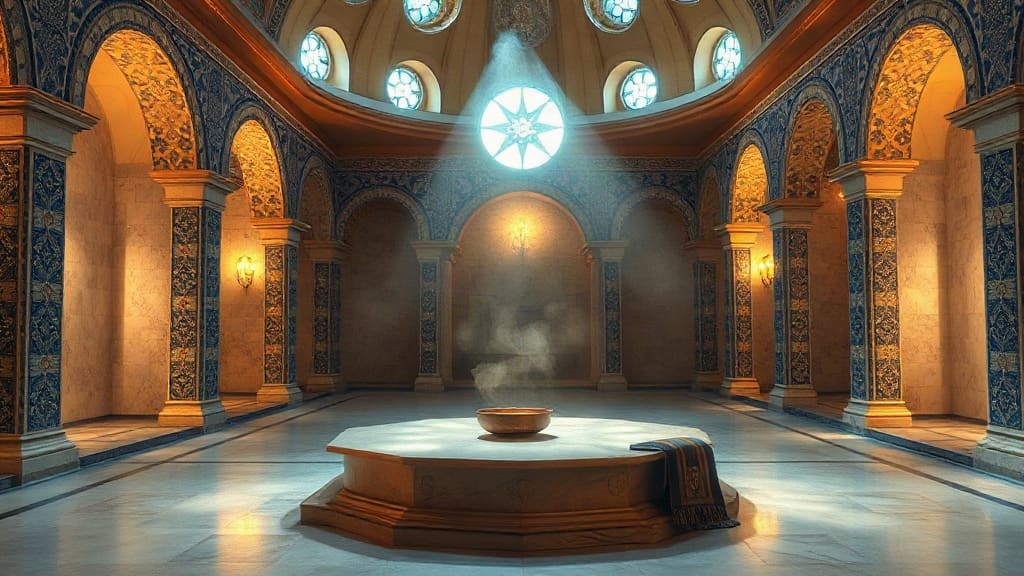
Imagine stepping into a warm, marble-clad room where the air is thick with steam and the soft sound of running water echoes off ancient walls. This is the world of the turkish bath, a centuries-old tradition that offers more than just cleanliness. It is a ritual of relaxation, social connection, and profound renewal. If you have ever searched for a turkish bath near me, you are likely seeking an escape from the daily grind. This guide will walk you through everything you need to know, from the fascinating history of the hammam to practical advice on finding and enjoying an authentic experience, whether you are a first-timer or a seasoned spa-goer.
The History and Cultural Significance of the Turkish Bath
The Turkish bath, known as hammam, traces its roots back to the Roman thermae and Byzantine bathing traditions. When the Ottomans arrived in Anatolia, they merged these practices with Islamic principles of cleanliness, creating a unique institution that became a cornerstone of community life. For centuries, the hammam was not just a place to bathe but a social hub where people gathered to gossip, celebrate milestones, and conduct business. Mothers would scout for brides for their sons, friends would catch up over tea, and travelers would find a warm welcome. This rich history is still palpable today in the grand domed ceilings, intricate tilework, and time-honored rituals that define a true turkish bath.
Understanding this cultural backdrop enhances the experience. When you visit a hammam, you are not merely getting a scrub; you are participating in a tradition that has been passed down through generations. The architecture, with its central heated platform known as the göbek taşı, and the sequence of rooms with varying temperatures, is designed to open the pores, relax the muscles, and prepare the body for deep cleansing. This historical continuity is one reason why many people seek an authentic turkish bath near me rather than a generic spa.
What to Expect During a Traditional Turkish Bath Experience
Stepping into a hammam for the first time can be both exciting and slightly intimidating. Knowing the typical flow can ease any anxiety and help you fully immerse yourself in the ritual. While specific practices may vary from one establishment to another, most traditional Turkish baths follow a similar sequence.
The Warm-Up Room
You will begin in a warm room, often called the soğukluk or camekan, where you change into a pestemal, a thin cotton wrap, and wooden clogs called nalın. This room allows your body to acclimate to the heat gradually. You might be given a copper bowl to pour water over yourself, a practice that signals the start of the cleansing process. The warm-up phase is essential; it raises your body temperature, dilates your blood vessels, and prepares your skin for exfoliation.
The Steam Room and Göbek Taşı
Next, you move to the hot room, the heart of the hammam. The centerpiece is the göbek taşı, a large, heated marble platform. You lie on this stone, allowing the heat to penetrate your muscles and open your pores. The steam, often infused with eucalyptus or other herbs, helps clear your respiratory system and promotes deep relaxation. This is a time to let go of tension and simply be present. Many people find this part of the experience meditative, as the heat and humidity create a cocoon of warmth.
The Kese and Foam Massage
After about 15 to 20 minutes on the göbek taşı, an attendant, known as a tellak for men or natır for women, will begin the exfoliation. Using a coarse mitt called a kese, they scrub your entire body in long, firm strokes. This process removes layers of dead skin cells, leaving your skin incredibly smooth and renewed. The sensation can be surprising at first, but most people find it invigorating. Following the scrub, the attendant will cover you in a mountain of fragrant, soapy foam. This foam massage, using a soft cloth, is gentle and luxurious, washing away the loosened skin and leaving you feeling light and refreshed.
The Cooling-Down and Relaxation
After the foam massage, you will be rinsed with warm water and guided to the cooling room. Here, you can wrap yourself in dry towels and relax on comfortable loungers. Many hammams offer tea, Turkish delight, or sherbet at this stage. This is a crucial part of the experience; your body has been through a significant process, and it needs time to return to its normal state. The cooling-down period allows you to savor the feeling of cleanliness and calm. It is not uncommon to feel a profound sense of well-being and even sleepiness after a traditional turkish bath.
The Health and Wellness Benefits of a Turkish Bath
Beyond the immediate feeling of cleanliness, a Turkish bath offers a range of health benefits that have been recognized for centuries. The combination of heat, steam, and exfoliation works on multiple levels to improve both physical and mental well-being.
Deep Cleansing and Skin Health
The kese scrub is one of the most effective exfoliation methods available. It removes dead skin cells, unclogs pores, and stimulates blood circulation. This can help with conditions like acne, dry skin, and keratosis pilaris. After a hammam session, your skin is better able to absorb moisturizers, making your skincare routine more effective. Regular visits can lead to a noticeable improvement in skin texture and tone. The deep cleansing also helps the body eliminate toxins through sweat, which can boost overall health.
Muscle Relaxation and Pain Relief
The intense heat and steam help relax tense muscles and relieve joint pain. The warmth increases blood flow, delivering oxygen and nutrients to tissues while removing metabolic waste. This can be particularly beneficial for people with arthritis, fibromyalgia, or those recovering from intense physical activity. Many athletes incorporate hammam sessions into their recovery routines. The combination of heat and massage can reduce inflammation and improve flexibility, making it easier to move without pain.
Stress Reduction and Mental Clarity
In our fast-paced world, stress is a constant companion. A Turkish bath offers a rare opportunity to unplug and focus solely on your body. The warmth, the rhythmic scrubbing, and the quiet atmosphere all contribute to a deep state of relaxation. This can lower cortisol levels, reduce anxiety, and improve sleep quality. Many people report feeling mentally clearer and more centered after a hammam visit. The ritual itself, with its sequence of steps, provides a sense of structure and mindfulness that is often missing from modern life.
Respiratory Benefits
The steam in a hammam is excellent for the respiratory system. Inhaling warm, moist air can help loosen mucus, relieve congestion, and soothe irritated airways. This makes the Turkish bath a popular remedy for colds, sinus infections, and allergies. The addition of essential oils like eucalyptus can enhance these benefits. For those with chronic respiratory conditions, regular steam sessions may provide significant relief, though it is always wise to consult with a healthcare provider first.
How to Find an Authentic Turkish Bath Near You
Now that you understand the benefits and the process, the next step is finding a quality turkish bath near me. While the most authentic experiences are in Turkey, many cities around the world now offer excellent hammams. Here are some practical tips to help you locate a genuine and reputable establishment.
Research and Read Reviews
Start with a simple online search for turkish bath near me and read reviews on platforms like Google, Yelp, or TripAdvisor. Pay attention to comments about authenticity, cleanliness, and the skill of the attendants. Look for establishments that have been operating for several years and have a loyal customer base. Photos can also give you a sense of the atmosphere; a true hammam will have traditional architectural elements like marble, domed ceilings, and intricate tilework. Avoid places that look like generic spas with a steam room; they may not offer the full traditional experience.
Check the Services Offered
An authentic Turkish bath should offer the core services: the kese scrub, foam massage, and time on the göbek taşı. Some places may offer additional services like oil massages, facials, or aromatherapy. However, if the menu does not include the traditional scrub and foam ritual, it is likely not a true hammam. Look for packages that include all the essential elements. Also, check if they provide the traditional pestemal and nalın, as these are signs of an authentic experience.
Consider the Atmosphere and Staff
The atmosphere of a hammam is crucial. It should feel calm, clean, and welcoming. The staff should be professional and knowledgeable about the traditions. In many authentic hammams, the attendants have years of experience and take pride in their work. Do not hesitate to call ahead and ask questions about their process. A genuine establishment will be happy to explain what to expect and address any concerns. The best hammams often have separate sections or hours for men and women, following traditional practices.
Look for Local Recommendations
Word of mouth is still one of the best ways to find a quality service. Ask friends, family, or colleagues if they have visited a Turkish bath in your area. People who have had a great experience are usually eager to share it. Local community groups or online forums can also be valuable resources. Recommendations from people you trust can save you time and ensure you have a positive experience. If you live in a city with a Turkish or Middle Eastern community, ask for their suggestions; they often know the hidden gems that are not heavily advertised.
Etiquette and Tips for Your First Turkish Bath Visit
To make the most of your turkish bath experience, it is helpful to know a few basic rules of etiquette and practical tips. This will help you feel more comfortable and ensure a smooth, enjoyable visit.
What to Bring and Wear
Most hammams provide everything you need, including the pestemal, slippers, and toiletries. However, you may want to bring your own swimsuit if you prefer more coverage, though traditional hammams often require you to be naked or wear only the pestemal. Check the establishment's policy beforehand. It is also a good idea to bring a change of underwear, a hairbrush, and any personal skincare products you like. Avoid wearing jewelry, as the heat and soap can damage it. If you have long hair, tie it up or bring a hair tie.
Hydration and Timing
Drink plenty of water before and after your hammam session. The heat and sweating can lead to dehydration, so it is important to stay hydrated. Avoid eating a heavy meal right before your visit; a light snack an hour or two beforehand is fine. Also, avoid alcohol before the hammam, as it can increase dehydration and make you feel dizzy. Plan to spend at least an hour and a half to two hours for the full experience, including relaxation time. Rushing through the process diminishes the benefits.
Communicating with Your Attendant
Do not be shy about communicating your preferences. If the scrub is too rough, let your attendant know. If you want more or less foam, speak up. Most attendants are experienced and will adjust to your comfort level. If you have any medical conditions, such as heart problems or high blood pressure, inform the staff beforehand. They may recommend a shorter session or a lower temperature. Remember, the goal is relaxation and renewal, so it is important to feel comfortable throughout the process.
Aftercare
After your hammam, your skin will be highly receptive to moisture. Apply a rich lotion or body oil to lock in hydration. Avoid harsh soaps or exfoliants for a few days, as your skin has already been deeply exfoliated. Continue to drink water to replenish lost fluids. Many people find that they sleep deeply after a hammam visit, so plan for a restful evening. The effects of the treatment can last for days, leaving your skin soft and your mind calm.
Bringing the Turkish Bath Experience Home
While nothing compares to a visit to an authentic hammam, you can incorporate elements of the Turkish bath into your home routine. This is especially useful between visits or if you do not have a quality turkish bath near me. Creating a mini hammam at home can help you maintain the benefits and enjoy a piece of the ritual whenever you need a reset.
Create a Steam-Filled Environment
Turn your bathroom into a steam room by running a hot shower with the door closed. Add a few drops of eucalyptus or lavender essential oil to the shower floor or a diffuser. The steam will fill the room, opening your pores and relaxing your muscles. You can also use a facial steamer for a more targeted effect. The goal is to recreate the warm, humid atmosphere of the hammam as closely as possible.
Use a Kese Mitt and Olive Oil Soap
Invest in a quality kese mitt, which you can find online or in specialty stores. After steaming for about 10 to 15 minutes, use the mitt to scrub your skin in circular motions, focusing on rough areas like elbows, knees, and feet. Follow with a traditional olive oil soap, which is gentle and moisturizing. Rinse thoroughly and pat your skin dry. This simple routine, done once a week, can significantly improve your skin's texture and clarity.
Practice Mindful Relaxation
The mental benefits of the hammam come from the intentional act of slowing down. After your home steam and scrub, take time to relax. Wrap yourself in a warm towel, sip some herbal tea, and sit quietly for a few minutes. Focus on your breath and the sensation of your skin. This mindfulness practice can reduce stress and improve your overall sense of well-being. By creating a ritual around your home hammam, you can capture some of the magic of the traditional experience.
Frequently Asked Questions About Turkish Bath
Is a Turkish bath suitable for everyone?
While generally safe, a Turkish bath may not be suitable for people with certain medical conditions, such as uncontrolled high blood pressure, heart disease, or skin infections. Pregnant women should consult their doctor before visiting a hammam. The intense heat can also be uncomfortable for those who are sensitive to high temperatures. If you have any concerns, it is always best to speak with your healthcare provider first. Most healthy adults can enjoy the experience without issues.
How often should I visit a Turkish bath?
The frequency of visits depends on your skin type and personal preferences. For most people, visiting a hammam once a month is sufficient to maintain the benefits. If you have oily skin or live in a hot, humid climate, you might benefit from more frequent visits, perhaps every two to three weeks. Over-exfoliation can irritate the skin, so it is important to listen to your body and adjust accordingly. A good rule of thumb is to start with once a month and see how your skin responds.
What is the difference between a Turkish bath and a sauna?
While both involve heat, they are quite different. A sauna uses dry heat, typically from a wood-burning or electric stove, with very low humidity. A Turkish bath, on the other hand, uses moist heat with high humidity. The steam in a hammam is gentler on the respiratory system and more effective at opening pores. Additionally, a Turkish bath includes a full-body exfoliation and foam massage, which are not part of a typical sauna experience. The social and ritual aspects also set the hammam apart.
Can I go to a Turkish bath during my period?
This is a personal choice, but many women prefer to avoid the hammam during menstruation due to hygiene concerns and the heat. If you do choose to go, it is important to use appropriate menstrual products and communicate with the staff if you have any concerns. Some traditional hammams may have specific policies, so it is best to check beforehand. Ultimately, the decision should be based on your comfort level and health.
Do I need to make a reservation for a Turkish bath?
It is highly recommended to make a reservation, especially for popular hammams or if you want a specific time slot. Walk-ins may be accommodated, but you risk a long wait or being turned away. Reserving in advance also allows you to ask questions about the services and any special requirements. Many hammams offer online booking, making it convenient to secure your spot. If you are planning a group visit, a reservation is essential.