
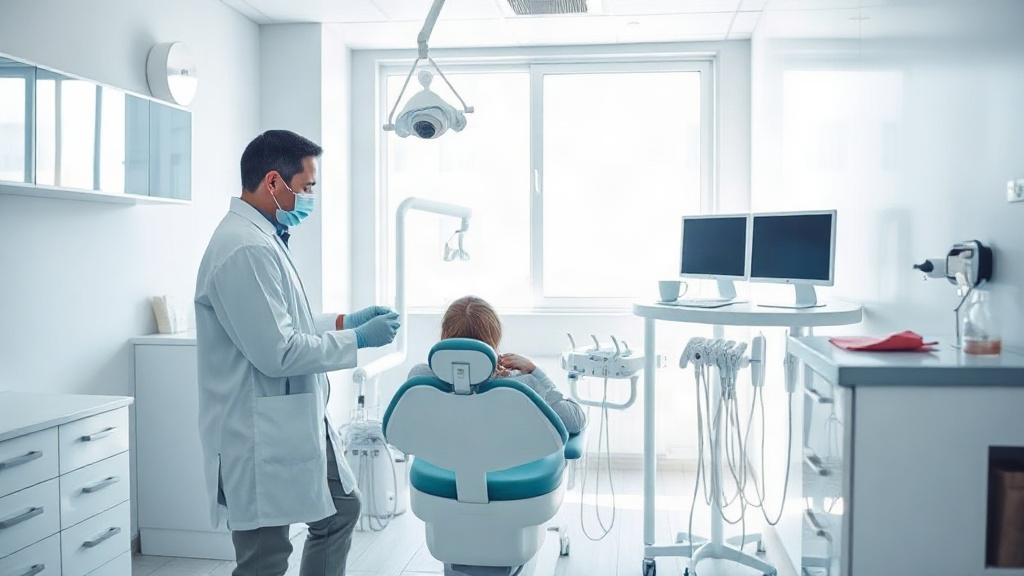
If you have been scrolling through social media lately, you have probably seen the phrase turkey teeth pop up more than once. Maybe a friend came back from Istanbul with a flawless smile, or you spotted an influencer bragging about their new veneers. The hype is real, but so are the horror stories. Before you book a flight, let me walk you through what turkey teeth actually cost, how to shortlist the top 10 dental clinics in Turkey, and how to avoid ending up with a mouthful of regrets. This is the guide I wish I had before my own journey.
What Exactly Are Turkey Teeth?
The term turkey teeth is a nickname for dental work done in Turkey, usually porcelain veneers or crowns. People from the UK, the US, and across Europe fly to Istanbul and Antalya because the prices are a fraction of what they would pay at home. In many Western countries, a single veneer can cost between $1,000 and $2,500. In Turkey, that same veneer might be $200 to $400. That kind of saving is hard to ignore, especially when you multiply it by 10 or 20 teeth.
But turkey teeth are not a magic trick. They require preparation, planning, and a bit of courage. The clinics are not all equal, and the difference between a good experience and a nightmare often comes down to research. I learned that the hard way, and now I want to save you from the same mistakes.
The Real Turkey Teeth Cost: Breaking Down the Numbers
Let me give you a straight answer about turkey teeth cost. The package price you see advertised is rarely the final number. Most clinics quote a base fee that includes the veneers or crowns, but you need to ask about everything else. Here is what I paid, and what you can expect.
For a full set of 20 zirconium crowns, I was quoted $4,500. That included the temporary teeth, the permanent crowns, and the local anesthesia. A comparable set in London would have been over $20,000. But my final bill was closer to $6,200. Why? Because I needed a root canal on one tooth, a bone graft on another, and I chose a clinic with a higher lab fee for better aesthetics.
Here is a realistic breakdown of turkey teeth cost components:
- Consultation and X-rays: often free, but some clinics charge $50 to $100.
- Veneers (porcelain): $150 to $350 per tooth.
- Crowns (zirconium): $200 to $450 per tooth.
- Root canal treatment: $100 to $250 per tooth.
- Tooth extraction: $30 to $80 per tooth.
- Temporary teeth: usually included, but confirm.
- Accommodation and transfers: many packages include 3 to 5 nights in a hotel, but not always.
- Aftercare kit and medications: $50 to $150.
So a full mouth of 20 veneers could be as low as $3,000 or as high as $9,000. The average patient spends between $4,000 and $7,000. Still a huge saving, but do not fall for the $2,000 all-inclusive ads. Those often hide extra fees or use low-quality materials.
How to Choose Among the Top 10 Dental Clinics in Turkey
You have probably seen lists of the top 10 dental clinics in Turkey on various websites. But who makes those lists? Often, they are paid advertisements or affiliate links. I cannot tell you which clinic is number one for your specific case, but I can show you how I built my own shortlist. These are the criteria that matter.
First, check the dentist's credentials. A legitimate clinic will have dentists who graduated from accredited universities and who are members of international dental associations. Do not be shy about asking for their diploma numbers or proof of continuing education. A good clinic will be proud to show you.
Second, look at before-and-after photos of real patients. But be careful: some clinics use stock photos or stolen images. Ask for video testimonials or live video calls with previous patients. I spoke to two former patients before committing, and that made all the difference.
Third, ask about the materials. Zirconium is the most popular for turkey teeth because it is strong and looks natural. But not all zirconium is the same. Brands like Ivoclar, Vita, and GC are reputable. If a clinic cannot name the brand they use, run away.
Fourth, understand the warranty. A good clinic offers at least 5 years on crowns and veneers. Some offer 10. But the warranty is only as good as the clinic's willingness to honor it. Read the fine print: does it cover you if you are back in your home country? Many clinics have partner dentists abroad, but not all.
Finally, consider the location. Istanbul has the highest concentration of clinics, but also the most tourist traps. Antalya and Izmir are also popular, with slightly lower prices. My advice: choose a clinic that is not in a shopping mall or a hotel lobby. Look for a standalone building with a proper sterilization room.
My Personal Journey with Turkey Teeth
I want to be transparent: I almost got scammed. The first clinic I contacted offered a full set of veneers for $2,800, including hotel and transfers. The photos looked stunning, and the salesperson was incredibly responsive. But something felt off. I asked for the dentist's name and registration number. The salesperson dodged the question. I asked for the brand of zirconium. They said "high quality, don't worry." Red flag.
I dug deeper and found that the clinic had changed its name twice in the past year. They had no physical address on Google Maps, only a WhatsApp number. That was enough for me to walk away.
The clinic I eventually chose was not the cheapest. I paid $5,800 for 20 zirconium crowns, a root canal, and a bone graft. But the dentist spent 90 minutes with me on a video call before I even booked. He explained the risks, showed me his own work, and gave me a written treatment plan with itemized costs. That transparency convinced me.
The procedure itself was smoother than I expected. The first visit lasted four days: consultation, preparation, temporary teeth, and then a follow-up. I came back six weeks later for the permanent crowns. The total time in Turkey was about ten days across two trips. The pain was manageable with over-the-counter medication, and the final result was better than I hoped. But I also know people who had a terrible time because they chose the wrong clinic.
Common Myths and Mistakes About Turkey Teeth
Let me clear up a few things. First, turkey teeth are not always "too white." The shade is up to you. I chose a natural A2 shade, and no one can tell I have veneers. Second, you do not need to shave your teeth down to tiny pegs for veneers. That is a horrifying myth spread by some bad actors. Modern veneers require minimal preparation, often less than 0.5mm. Third, you can eat normally after the healing period. Yes, you should avoid biting into apples with your front teeth, but that is true for any veneers, not just Turkish ones.
The biggest mistake I see is people booking a flight and then looking for a clinic. Do it the other way around. Choose your clinic first, get a written plan, and then book your travel. Also, do not expect the clinic to be a five-star hotel. Some are basic but clean. That is fine. The quality of the dental work matters more than the waiting room sofa.
What to Ask Before You Book
Here is a checklist I put together after my own experience and after talking to dozens of other patients. Ask these questions before you pay a deposit:
- Can I see the dentist's diploma and registration number?
- What brand of zirconium or porcelain do you use?
- Will I have the same dentist for the whole procedure?
- What is included in the package price? What is extra?
- What is the warranty period, and how does it work internationally?
- Can I speak to a previous patient who had a similar case?
- What happens if I need a revision after I go home?
- Do you have a sterilization certificate from an independent body?
If the clinic hesitates on any of these, that is a warning sign. A professional clinic will answer all of them without making you feel like a burden.
Aftercare: Keeping Your Turkey Teeth Healthy
Your new smile is an investment, and it needs maintenance. I brush twice a day with a soft toothbrush and use a water flosser every night. I also avoid using my teeth as tools, which means no opening bottles or biting my nails. Every six months, I see my local dentist for a check-up and a professional cleaning. My Turkish dentist even offered to review my X-rays via email for free, which is a nice touch.
One thing I did not expect: the sensitivity. For the first few weeks, cold drinks were uncomfortable. That is normal and fades. But if it lasts more than a month, contact your clinic. Also, if you grind your teeth at night, ask for a night guard. I did not, and I chipped a temporary crown. Lesson learned.
Is Turkey Teeth Right for You?
This is the question only you can answer. Turkey teeth can give you a Hollywood smile for a third of the price, but it is not a no-risk decision. You need to be willing to travel twice, follow aftercare instructions, and accept that not everything will be perfect. If you have existing dental problems like gum disease or severe misalignment, you may need additional treatments first. A reputable clinic will tell you that before you fly.
I am happy with my decision. My smile has changed how I feel in photos, in meetings, and even on dates. But I also know that I got lucky because I did my homework. If you are serious about getting turkey teeth, start by researching the top 10 dental clinics in Turkey with the criteria I shared. Do not rush. The clinics will still be there next month, but your teeth will not grow back.
Frequently Asked Questions
How long do turkey teeth last?
With proper care, zirconium crowns can last 10 to 15 years, sometimes longer. Porcelain veneers typically last 8 to 12 years. The lifespan depends on your oral hygiene, diet, and whether you grind your teeth. Regular dental check-ups are essential to catch any issues early.
Is it safe to get turkey teeth in Turkey?
Yes, if you choose a reputable clinic with qualified dentists and proper sterilization. Turkey has many excellent dental professionals, but it also has clinics that cut corners. Always verify credentials, read reviews from independent sources, and ask for a written treatment plan before you commit.
What is the cheapest turkey teeth cost I can find?
You might see packages as low as $2,000, but that usually covers only a few teeth or uses low-quality materials. For a full set of 20 zirconium crowns, expect to pay between $4,000 and $7,000. The cheapest option is rarely the best, and revisions can end up costing more than the original treatment.
Do I need to speak Turkish to get dental treatment in Turkey?
No, most clinics that cater to international patients have English-speaking staff and coordinators. Some even offer translators for other languages. However, it is a good idea to confirm that your dentist speaks English well enough to explain the procedure and answer your questions.
Can I eat normally after getting turkey teeth?
After the permanent crowns are placed and the healing period is over, you can eat most foods. However, you should avoid very hard foods like ice, hard candies, and bones, as they can damage the veneers. It is also wise to cut food into smaller pieces rather than biting directly with your front teeth.
https://focusdentalturkey.co.uk/turkey-teeth/
https://focusdentalturkey.co.uk/turkey-teeth/
https://focusdentalturkey.co.uk/top-10-dental-clinics-in-turkey/