
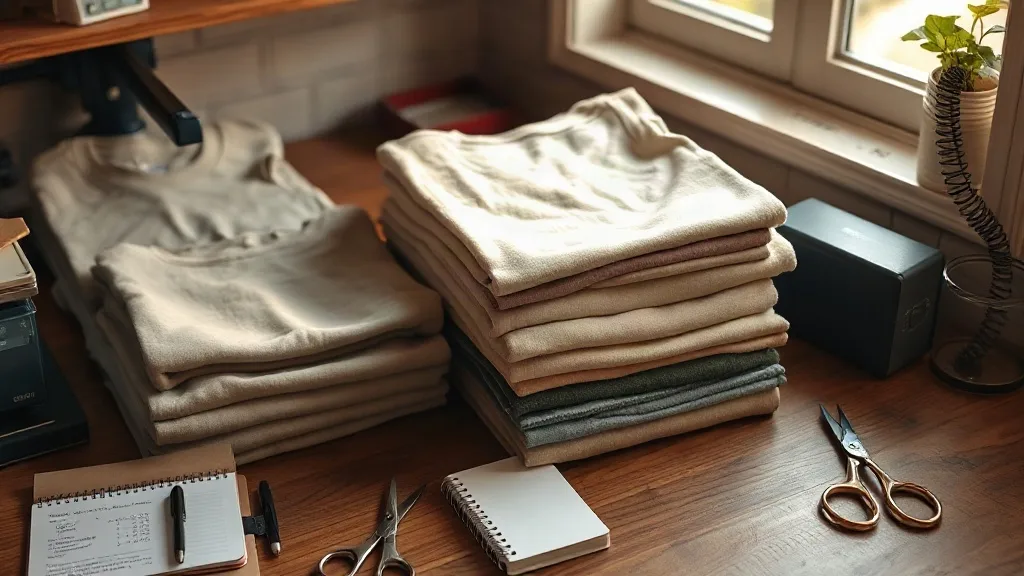
Walk into any print shop and you will hear the same quiet complaint: the transfer was perfect, the press settings were dialed in, and the shirt still looked wrong. Nine times out of ten the culprit is not the print at all. It is the blank underneath it. Choosing a base garment is the least glamorous decision in custom apparel, and it is also the one that decides whether a customer comes back. That is where shaka wear and smart blanks earn their keep, not as buzzwords but as two different answers to two different problems.
Why the blank decides the outcome
A DTF transfer is a layer of ink and adhesive film. It sits on top of the fabric, not inside it. That means everything the shirt does under heat and pressure will show up in the final result. A tightly knit, low-shrink cotton gives the film a flat, stable surface. A loose knit with heavy slub texture will telegraph every bump through the print. A blank with a resin finish might look crisp on the hanger and then scorch or yellow when the platen hits it.
I have watched shops blame their film supplier for a problem that started with a $3 tee. The lesson is simple. Before you tune your press, tune your blank. Once you know how a garment behaves at 320 degrees Fahrenheit and moderate pressure, the rest of the workflow becomes predictable. Predictable is profitable.
Where smart blanks fit into the picture
Smart blanks is a term that gets thrown around loosely, so it helps to define it in practical terms. A smart blank is a base garment chosen for how well it works with modern decoration methods, not just how cheap it is per unit. That usually means consistent fabric weight, minimal shrinkage after the first wash, a smooth print surface, and a cut that holds its shape without pulling at the shoulders.
For a shop running heat transfers all day, that consistency is worth more than a few cents of savings. When you buy a case of blanks and every single one presses the same way, you stop wasting transfers on test runs. You stop reprinting orders because one shirt in twelve puckered. The cost of a bad blank is never the blank itself. It is the labor, the film, the ink, and the customer's patience.
What to check before you commit to a blank line
- Fabric weight: 4.5 oz is light and airy, 6 oz and up feels substantial and holds large prints better.
- Knit density: hold it up to light. If you can see a lot of pinholes, the print will sit on an uneven surface.
- Shrinkage: ask for a wash test or run one yourself on a sample before a big order.
- Hand feel after pressing: some cottons stiffen noticeably under heat, others stay soft.
- Color consistency between dye lots, especially on black and white.
None of this takes long. A single afternoon of testing two or three candidates will save you months of guesswork.
Where shaka wear earns its reputation
Shops that print a lot of streetwear and team apparel tend to keep a stack of shaka wear tees within arm's reach, and the reason is usually the same. The fabric takes a transfer cleanly, the cut reads as intentional rather than generic, and the weight sits in that middle zone that suits both a simple chest logo and a full back print. That versatility matters when you are juggling a dozen different client briefs in a week.
The other thing worth noting is how the garment handles the press. Heavier, denser knits tend to resist the small shifts that cause a transfer to look slightly off-center after cooling. When the fabric does not move, the print does not move, and your reject rate drops. For a small operation where every misprint comes straight out of the margin, that is the whole ballgame.
Matching the blank to the job
Not every order should get the same base. A promotional run of five hundred shirts for a 5K race has different priorities than a boutique drop of forty hoodies. For high-volume giveaways, you want a blank that presses fast and forgives minor temperature swings. For retail-facing pieces, you want a blank the customer will still be wearing in two years, because that shirt is a walking advertisement for your shop.
A useful habit is to build a small reference chart on the wall. Two or three approved blanks, the press settings that work for each, and a note on which clients prefer which. New staff can follow it without needing you standing over their shoulder. It sounds almost too simple, but the shops with the fewest headaches are usually the ones with the most boring documentation.
The practical economics of a better blank
Let me put real numbers on this, because the math is where most arguments about blanks get settled. Suppose a cheap tee costs two dollars less than a good one. On a fifty-piece order that is a hundred dollars saved. Now suppose that cheap tee causes three misprints because of shrinkage or surface texture. At a modest retail value of twenty-five dollars per shirt, you have already lost seventy-five dollars in product, plus the film, plus the hour of labor to redo them. The savings evaporate, and you still have a customer who noticed the quality.
The smarter framing is cost per wear, not cost per unit. A blank that survives forty washes without pilling or cracking keeps your brand visible for years. A blank that fades after six weeks makes your print look amateur even though your work was fine. Customers rarely separate the two. They see a shirt that looks bad and they remember who sold it to them.
Common mistakes that cost print shops money
- Buying blanks on price alone without pressing a single sample.
- Skipping the pre-press on garments that have a factory finish or moisture from storage.
- Using the same pressure setting for a 4.5 oz tee and a 7 oz fleece.
- Mixing dye lots within one order and hoping nobody notices the shade difference.
- Storing blanks in a humid back room and then wondering why transfers lift at the edges.
Every one of these is fixable with a checklist and a little discipline. The point is not to be perfect. The point is to stop repeating the same expensive lesson.
Building a blank strategy that scales
As your order volume grows, the decision about which blanks to stock becomes a supply chain question, not just an aesthetic one. You want at least one dependable core option in the most-requested colors and sizes, and a second option for premium or specialty jobs. Keeping two approved lines rather than ten means you can buy deeper, negotiate better, and train staff faster.
It also means your customers get a consistent product. Consistency is underrated in custom apparel. A client who orders team shirts in March and reorders in September expects the same fit and the same shade. If your blank lineup churns every few months, that expectation becomes impossible to meet. Pick your bases carefully, then stick with them until there is a genuinely good reason to switch.
Frequently asked questions
What actually makes a blank “smart” for heat transfer printing?
It comes down to a stable, smooth surface and predictable behavior under heat. A blank with tight knitting, low shrinkage, and no heavy factory finish will accept a transfer evenly and hold it through washing. Price and brand matter far less than those physical traits.
Should I test a new blank before running a full order?
Always. Press one garment, wash it twice, and inspect the edges of the print. This single test catches shrinkage, scorching, and adhesion problems before they multiply across fifty shirts. It takes an afternoon and routinely saves shops hundreds of dollars.
Do heavier blanks always produce better prints?
Not automatically. Heavier fabric tends to resist movement during pressing, which helps alignment, but a very coarse weave can leave texture showing through the print. The right choice depends on the design. Fine detail work often looks best on a mid-weight, tightly knit cotton.
How many blank lines should a small shop stock?
Two is usually enough to start: one reliable everyday option and one premium option for retail-facing work. More than that and you spread your buying power thin while complicating training and inventory. Add a third only when a specific client base clearly needs it.
Does the blank really affect customer retention?
Yes, and more than most shop owners expect. The print is what people notice first, but the shirt is what they live in. A garment that keeps its shape and color turns into repeat business and referrals. A garment that fails turns into a refund request and a quiet loss of trust.