
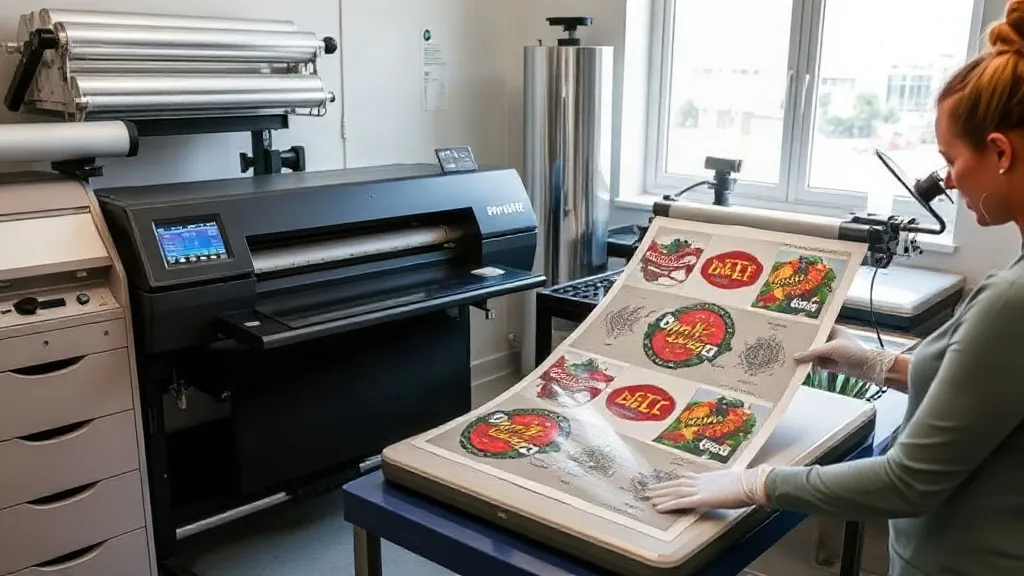
You've mastered the basics of dtf transfers: you can print, powder, cure, and press with consistent results. But if you're like most print shop owners, you're always looking for an edge, a way to work smarter, reduce waste, and deliver an even better product. This guide goes beyond the fundamentals and dives into advanced strategies that can transform your DTF operation from good to exceptional.
Optimizing Your DTF Workflow for Speed and Consistency
Efficiency is the name of the game in any production environment. When you're running a busy shop, every minute counts. The key to a smooth DTF workflow is standardizing each step so that anyone on your team can execute it with repeatable results.
Standard Operating Procedures (SOPs) for DTF
Document every part of your DTF process. From file preparation to final press, create a checklist that operators can follow. This reduces variability and ensures that quality stays consistent, even when different people are running the equipment. Include settings for your printer, powder application, curing temperatures, and press parameters for different fabrics. Review and update these SOPs regularly as you learn and upgrade your equipment.
Batching and Gang Sheeting
One of the biggest time-savers in DTF printing is gang sheeting, which means arranging multiple designs on a single film to maximize usage. Instead of printing one-off jobs, group orders by film type and ink coverage. This not only reduces film waste but also cuts down on setup time between jobs. Many shops use specialized software to nest designs efficiently, but even manual nesting can yield significant savings.
Color Management and Consistency
Color consistency is crucial for customer satisfaction, especially for repeat orders. Invest in a color management system and calibrate your printer regularly. Use ICC profiles tailored to your printer, ink, and film combination. Keep a log of color adjustments for different substrates, and always print a test strip before a large run to verify colors.
Advanced Quality Control for DTF Transfers
Quality control is what separates professional shops from amateurs. Implementing a robust QC process catches issues before they reach the customer, saving you time and money in reprints and returns.
Common Defects and How to Fix Them
Even with experience, defects can happen. Here are some common issues and their solutions:
- Incomplete transfer: This often happens when the press temperature is too low or pressure is uneven. Check your press settings and ensure the transfer is cooled completely before peeling.
- Powder clumping: Excessive moisture can cause powder to clump. Store powder in a dry environment and apply it evenly using a shaker or automated powder applicator.
- Color fading after washing: This can be due to under-curing of the transfer or using incompatible fabrics. Ensure proper curing and test washability with fabric swatches.
Testing and Documentation
Develop a testing protocol for every new batch of film, powder, or fabric. Perform a wash test and a stretch test on a sample before full production. Document the results and keep a record of supplier batches. This helps you trace back any issues and maintain quality over time.
Cost-Saving Strategies for DTF Supplies
Supplies can eat into your profit margins if you're not careful. Smart purchasing and inventory management can significantly reduce costs without sacrificing quality.
Bulk Purchasing and Storage
Buying in bulk often lowers unit costs, but only if you have proper storage. Film and powder have shelf lives, so rotate your stock and store them in a cool, dry place away from direct sunlight. Consider joining a buying group or negotiating with suppliers for volume discounts.
Reducing Waste
Waste reduction starts with efficient nesting and cutting. Use every inch of film by combining small designs. Reuse powder where possible by sieving and storing excess from the powder station. Also, keep a close eye on ink usage; sometimes, adjusting color profiles can reduce ink consumption without noticeable quality loss.
Equipment Maintenance
Regular maintenance extends the life of your printer and prevents costly downtime. Clean printheads daily, check the powder station for buildup, and replace worn parts before they fail. A well-maintained printer also produces more consistent results, reducing waste from misprints.
Elevating Your Product Offerings with DTF
DTF isn't just for basic tees. With the right techniques, you can expand your product range and impress customers with unique, high-quality items.
Specialty Fabrics and Blends
Experiment with different fabrics such as polyester, blends, and even some nylons. DTF works well on these materials, but each may require slight adjustments in press settings. Create a fabric guide for your team that lists the optimal temperature, pressure, and peel method for each type.
Multi-Color and Photographic Prints
DTF excels at reproducing intricate details and gradients. Use high-resolution images and ensure your printer is set to the highest quality mode. For photographic prints, consider using a RIP software that optimizes halftones and color blending.
Finishing Touches
Offer additional services like foil application, embroidery, or specialty inks to complement DTF prints. This adds value and sets your shop apart from competitors who only offer basic prints.
Frequently Asked Questions
How can I prevent DTF prints from cracking after washing?
Cracking usually indicates under-curing or insufficient pressure during transfer. Ensure your transfer is fully cured according to the powder manufacturer's specifications, and use adequate pressure on your heat press. Also, wash garments inside out in cold water and avoid harsh detergents.
What's the best way to store DTF transfers?
Store unused transfers in a cool, dry place away from direct sunlight. Keep them flat or rolled loosely to prevent creasing. Avoid stacking heavy objects on top. Properly stored transfers can last for several months.
Can I use DTF on dark and light fabrics equally?
Yes, DTF works on both dark and light fabrics. However, on dark fabrics, the white ink layer provides opacity, so ensure your printer is equipped with white ink and that it's properly maintained. On light fabrics, you can sometimes skip the white layer to save ink, but test for color vibrancy.
How do I choose the right powder for my DTF printer?
Select a powder that is compatible with your ink and film. Fine powders (around 80-100 microns) are generally best for detailed prints. Consider your shop's humidity; some powders are more resistant to moisture. Always test a new powder with a small batch before committing to a large order.
What maintenance tasks should I perform daily on my DTF printer?
Daily maintenance includes cleaning the printhead with a cleaning solution, checking ink levels, and wiping down the powder station. Also, perform a nozzle check to ensure all nozzles are firing correctly. Regular maintenance prevents clogs and ensures consistent print quality.