
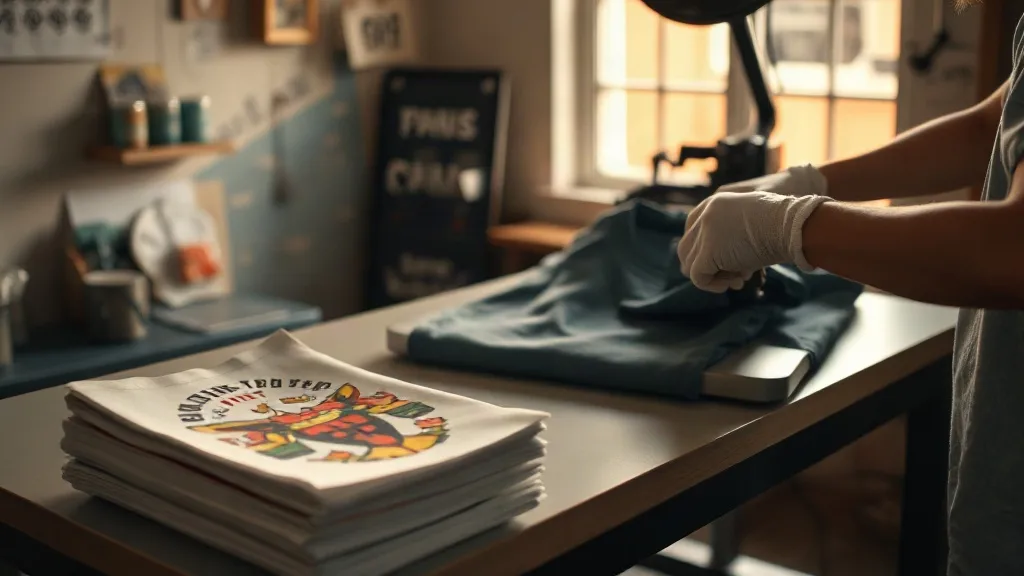
Walk into any local print shop and you will hear a familiar story: the big online printers keep undercutting on bulk orders, and the walk-in customer with a single shirt feels like more trouble than it is worth. But that single shirt, multiplied by a dozen walk-ins a week, is exactly where dtf transfers can quietly rebuild your margins. The technology has matured to the point where a small shop with a decent heat press and a reliable transfer supplier can serve the customers the giants ignore, and do it profitably.
This is not another guide about how DTF works. You probably know the basics: print on film, powder, cure, press. What matters more for a local shop is the business case. Where does DTF fit in your service mix? How do you price a five-piece order without losing money? And how do you keep quality consistent when every job is different? Those are the questions this guide answers.
The small-batch problem that DTF actually solves
Screen printing rewards volume. Set up four screens for a fifty-shirt order and the per-unit cost looks great. But a customer who wants three shirts for a family reunion, or a small gym that needs eight hoodies with a logo, forces you into a corner. Screen setup eats the profit. Vinyl is fine for simple one-color text but falls apart on photographic designs or gradients. And sending the job to a big online printer means you lose the margin and the customer relationship.
DTF transfers flip that equation. Because the design is printed and powdered ahead of time, there is no setup cost per color and no minimum order in the traditional sense. You can press one shirt or twenty from the same gangsheet. That means a three-shirt order becomes a viable job instead of a favor. The customer gets exactly what they want, when they want it, and you keep the transaction local.
The real win is not the single order. It is the repeat business that follows when someone discovers their local shop can handle the odd jobs the online printers make difficult. A school club, a small business, a wedding party: these are customers who value speed and a real person to talk to. DTF gives you the tool to serve them without losing your shirt on setup costs.
Pricing small DTF jobs without leaving money on the table
Most shop owners underprice small DTF work because they think of it as “just a press.” But your time, your transfer cost, your overhead, and the risk of a reprint all need to be in the number. Here is a simple framework that works for shops of any size.
Start with your true cost per transfer
Break down what each transfer actually costs you. Factor in the film, the powder, the ink, the cure time, and the electricity. If you buy gangsheets from a supplier, the math is simpler: divide the sheet price by the number of designs you can fit. Add a small buffer for waste, because not every print comes out perfect. That number is your floor. Anything you charge above it contributes to labor and profit.
Price the press time, not just the transfer
A heat press takes a few minutes per shirt, but the real time cost is in handling, cooling, peeling, and quality checking. For a one-off, you might spend ten minutes of hands-on time. For a batch of ten, the per-unit time drops. A tiered price structure reflects that: a higher per-piece rate for singles and small runs, and a lower rate as volume climbs. Customers understand this because it mirrors how every other service business works.
Build in a small-order fee that feels fair
Instead of a vague “setup fee,” consider a minimum order value. If a job comes in under that value, the price adjusts. This protects your time without punishing the customer. Many shops set a minimum of twenty or twenty-five dollars for custom work, which covers the handling and still feels reasonable for a custom garment.
Workflow tips that keep quality high on short runs
Consistency is the difference between a customer who comes back and one who does not. On short runs, you do not have the luxury of dialing in a big batch. A few habits make a real difference.
- Keep a pressing log. Note the temperature, pressure, and time for each fabric type you work with. When a new blank arrives, you have a starting point instead of guessing.
- Test on the actual garment. A poly blend and a 100% cotton tee behave differently. Press a small test piece or use an inconspicuous area before committing the full design.
- Store transfers flat and dry. Moisture and creases ruin a transfer before it ever hits the press. A simple flat file or a clean box keeps them ready to use.
- Peel at the right temperature. Some films are hot peel, some are cold peel. Mixing them up is one of the most common causes of a failed press, especially when you are moving fast.
These are small things, but they add up to a professional result that customers notice. A clean, durable print on a well-chosen blank makes your shop look like it cares, because it does.
Where dtf fits in your service mix
DTF is not a replacement for screen printing or embroidery. It is a complement. Think of it as the tool you reach for when the job is small, the design is complex, or the deadline is tight. A shop that offers screen printing for bulk, embroidery for corporate logos, and DTF for short runs and one-offs covers more of the market without spreading itself too thin.
The customers who come in for a single DTF shirt often do not know what else you offer. That is an opportunity. A well-placed sample of your screen printing or embroidery work can turn a one-off job into a larger order down the line. The goal is not to sell DTF on every job. It is to use DTF to start relationships that grow.
Finding dtf transfers near me without gambling on quality
If you are outsourcing your transfers rather than printing in-house, the supplier you choose matters as much as your press. A cheap transfer that fails after two washes costs you a reprint, a customer, and your reputation. When you search for dtf transfers near me, look for a supplier who can answer specific questions about film type, powder, and wash durability. Ask for samples. Press them on the blanks you actually use and wash them a few times. A supplier who stands behind their product will not hesitate to send a sample.
Local sourcing has practical advantages too. Shipping times are shorter, which matters when a customer needs a job by the weekend. You can build a relationship with a real person who understands your workflow. And if something goes wrong, you are not stuck in a support ticket queue with a company in another time zone.
Turning one-off jobs into repeat customers
The most profitable thing about small-batch DTF work is not the margin on the first order. It is the lifetime value of a customer who trusts you. A few simple practices make that happen.
Deliver on time, and communicate if anything changes. Include a care card with each garment so the customer knows how to wash it. Follow up after a week to ask how the print is holding up. These are small gestures, but they are the reason a customer comes back instead of trying the next shop on their phone. Over a year, a handful of loyal small-order customers can become a reliable base that smooths out the slow weeks.
DTF gives local shops a way to compete on service rather than price. The technology is accessible, the workflow is manageable, and the customers are already out there looking for someone who will take their small job seriously. That is a real opportunity for shops willing to build the process around it.
Frequently asked questions
How many shirts do I need to make a DTF order worth it?
There is no hard minimum, but the economics work best when you cover your handling time. Many shops set a minimum order value rather than a minimum quantity, which lets a customer order one shirt at a price that still makes sense for the shop.
Can I use DTF transfers on the same blanks I use for screen printing?
In most cases, yes. DTF works on cotton, poly blends, and many other fabrics. The key is to test the specific blank and adjust your press settings. Some tightly woven or coated fabrics may need a lower temperature or a different press time.
How long do DTF prints last after washing?
A properly applied DTF print on a suitable fabric typically holds up well through many wash cycles. Durability depends on the transfer quality, the fabric, and how the garment is cared for. Washing inside out in cold water and avoiding high heat in the dryer helps the print last longer.
What should I look for in a local DTF transfer supplier?
Look for clear information about film and powder, consistent color output, and a willingness to provide samples. A good supplier will understand the fabrics you use and can advise on press settings. Fast local turnaround is a bonus that helps you meet tight deadlines.
Is DTF more profitable than screen printing for small orders?
For very small orders, DTF often is more profitable because there is no screen setup cost. For large orders, screen printing usually wins on per-unit cost. The smart approach is to offer both and match the method to the job.