
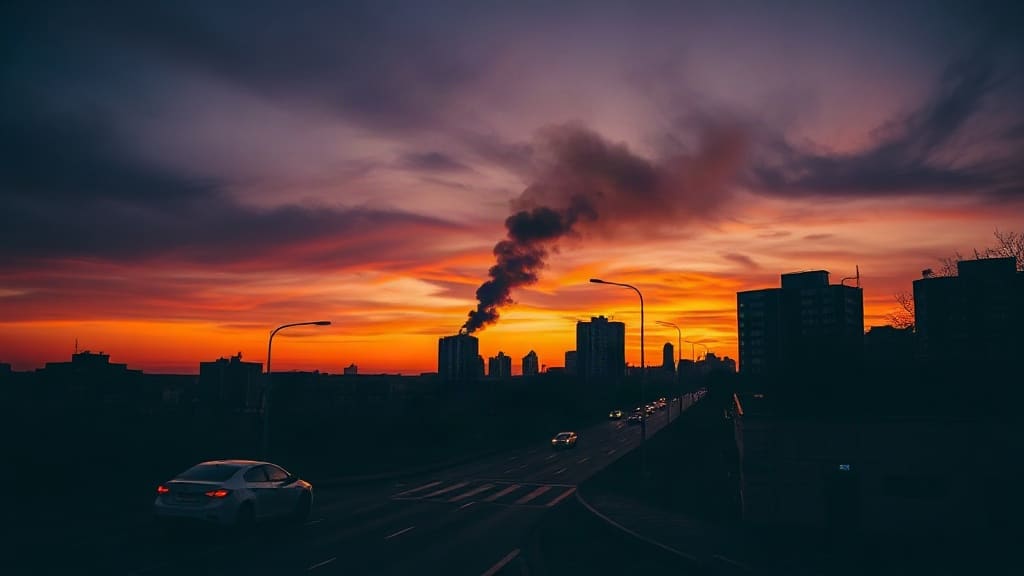
The air raid sirens had barely faded from the departure of two high-profile American figures when the first explosions thundered across Kyiv. Steve Witkoff and Jared Kushner had just left the Ukrainian capital, and the brief, uneasy quiet that accompanied their visit shattered within minutes. The Russian bombardment that followed was not just another salvo in a long war; it was a stark reminder that any pause in violence can be as fleeting as a diplomatic handshake.
Kyiv has learned to read the rhythms of war, but the sequence of events on this particular day felt deliberate. The fact that Russia held back while the Americans were on the ground, then unleashed a barrage almost as soon as they were gone, suggests a calculated message. It was as if Moscow wanted to show that any American presence, however unofficial, would not change the reality on the ground for long.
Why the Visit Happened and What It Meant
The visit by Witkoff and Kushner, both known for their business backgrounds and connections rather than diplomatic careers, raised eyebrows from the start. Neither holds a formal government position, yet their presence in Kyiv carried symbolic weight. They came to see the situation firsthand, to talk with Ukrainian officials and perhaps to gauge the mood in a country under siege. For Kyiv, hosting such figures is part of a broader effort to keep American attention focused on the war, especially as other global crises compete for headlines.
But the timing of the visit was delicate. Ukraine has been pressing for more robust military support and clearer security guarantees. The presence of influential Americans, even in a private capacity, can be read as a sign of continued interest. Yet the Russians clearly saw an opening to demonstrate that such visits change nothing. The message was blunt: we can strike when we choose, and your friends cannot protect you.
The Attack Itself: A Return to Brutal Normalcy
According to local reports, the strikes targeted several districts of Kyiv, including residential areas. Air defense systems worked frantically to intercept incoming missiles and drones, but some got through. The familiar sounds of explosions and the sight of smoke rising over the city returned with a vengeance. For residents who had enjoyed a few hours of relative calm, the psychological blow was as severe as the physical damage.
It is worth noting that Russia has repeatedly denied targeting civilians, yet the pattern of hitting residential neighborhoods tells a different story. The attack following the departure of the American visitors fits a pattern of using violence as a form of communication. By striking immediately after they left, Moscow avoided a direct confrontation with the United States while still sending a clear signal to both Kyiv and Washington.
Ukraine's Response and the Strategic Calculus
Ukrainian officials were quick to condemn the attack, calling it further evidence of Russia's disregard for any norms of war. President Volodymyr Zelenskyy has often said that Russia only understands strength, and this incident seemed to reinforce that view. For Ukraine, the key challenge remains convincing Western partners that the war is not a frozen conflict but an active threat requiring continuous support.
The visit by Witkoff and Kushner, however informal, was part of that effort. Their departure was followed by a stark reminder that the war goes on. This sequence might actually strengthen Ukraine's argument: even when influential Americans are present, Russia holds back only temporarily, and the danger never truly recedes.
The Broader Implications for Diplomacy
This incident raises uncomfortable questions about the role of private citizens in high-stakes diplomacy. Witkoff and Kushner are not official envoys, yet their visit was treated with the seriousness of a state affair. The Russians clearly monitored their movements and timed their response accordingly. That suggests a level of intelligence and coordination that is deeply concerning.
For the United States, the episode underscores the limits of informal diplomacy. While such visits can open channels and build relationships, they do not change the fundamental dynamics of the war. Russia's willingness to strike immediately after the Americans left shows that Moscow is not interested in de-escalation, at least not on terms that Ukraine or its allies would accept.
What This Means for Kyiv's Residents
For the people of Kyiv, the return of bombardment is a grim reminder that their lives are constantly at risk. The brief pause during the visit may have felt like a reprieve, but it was just a pause. The psychological toll of living under such conditions is immense. Families must decide whether to stay or flee, businesses operate under constant threat, and children grow up with the sound of air raid sirens as a backdrop.
Yet Kyiv has shown remarkable resilience. The city has adapted to the reality of war, with many residents going about their daily lives despite the danger. The attack after the visit did not break that spirit, but it did reinforce the sense that the war is far from over. The hope for a quick resolution has faded, replaced by a grim determination to endure.
The Role of Timing in the War's Narrative
Timing has always been a weapon in this conflict. Russia has shown a knack for launching attacks on symbolic dates or immediately after significant events. The bombardment of Kyiv right after Witkoff and Kushner left is consistent with that pattern. It is a way of dominating the news cycle and shaping the narrative. By striking at that moment, Moscow ensured that the story would not be about the visit itself, but about the attack that followed.
This also serves to undermine any positive messaging that might have emerged from the visit. If the Americans had left with a sense of progress or hope, the attack quickly erased that impression. The message to the world is clear: any diplomatic effort that does not meet Russia's demands will be met with violence.
Could This Have Been Predicted?
Analysts have long noted Russia's pattern of escalating attacks during moments of diplomatic activity. The visit by Witkoff and Kushner was an obvious target for such a response. The fact that Russia held off during the visit itself suggests a calculated decision to avoid a direct incident with American citizens. But the immediate resumption of attacks was almost certainly planned in advance.
This raises questions about the value of such visits in the first place. If they do not lead to a sustained reduction in violence, what is their purpose? For Ukraine, the answer lies in maintaining international attention and building support. For the visitors, it may be about gathering information or establishing personal connections. But the strategic benefit remains unclear, especially when the cost is a renewed assault on the capital.
The Human Cost and the Path Forward
Beyond the geopolitical calculations, the attack resulted in real human suffering. Casualties were reported, and the damage to infrastructure will take time to repair. The war has already displaced millions and destroyed entire communities. Each new attack adds to the toll and makes the prospect of reconstruction more daunting.
There is no easy path forward. Ukraine will continue to fight for its sovereignty, and Russia shows no sign of relenting. The international community, particularly the United States, faces difficult choices about how deeply to get involved. The visit by Witkoff and Kushner was one attempt to engage, but it did not change the fundamental equation. The war will likely grind on, with moments of hope followed by fresh waves of violence.
Frequently Asked Questions
Why did Russia wait until Witkoff and Kushner left Kyiv to bomb the city?
Russia likely wanted to avoid a direct incident with American citizens while still sending a message. By holding off during the visit and striking immediately after, Moscow demonstrated that it controls the timing of violence and that such visits do not guarantee safety.
What was the purpose of Witkoff and Kushner's visit to Kyiv?
The visit appeared to be an informal fact-finding mission and a show of support for Ukraine. Neither holds an official government role, but their presence was meant to signal continued American interest in the conflict and to gather information for potential back-channel discussions.
How did Ukraine respond to the attack?
Ukrainian officials condemned the strikes as further evidence of Russia's brutality and disregard for civilian life. They used the timing of the attack to reinforce their call for more robust Western military support and stronger security guarantees.
Does this attack change the diplomatic outlook?
It complicates efforts to find a negotiated settlement. The attack shows that Russia is willing to use violence to undermine diplomatic initiatives, making it harder for Ukraine and its allies to pursue talks without appearing to capitulate to pressure.
What does this mean for the safety of future diplomatic visits to Ukraine?
It raises serious security concerns. Any future visit by foreign dignitaries or influential figures will have to account for the risk of attacks immediately after their departure. This may lead to more cautious travel planning and potentially reduce the frequency of such visits.