
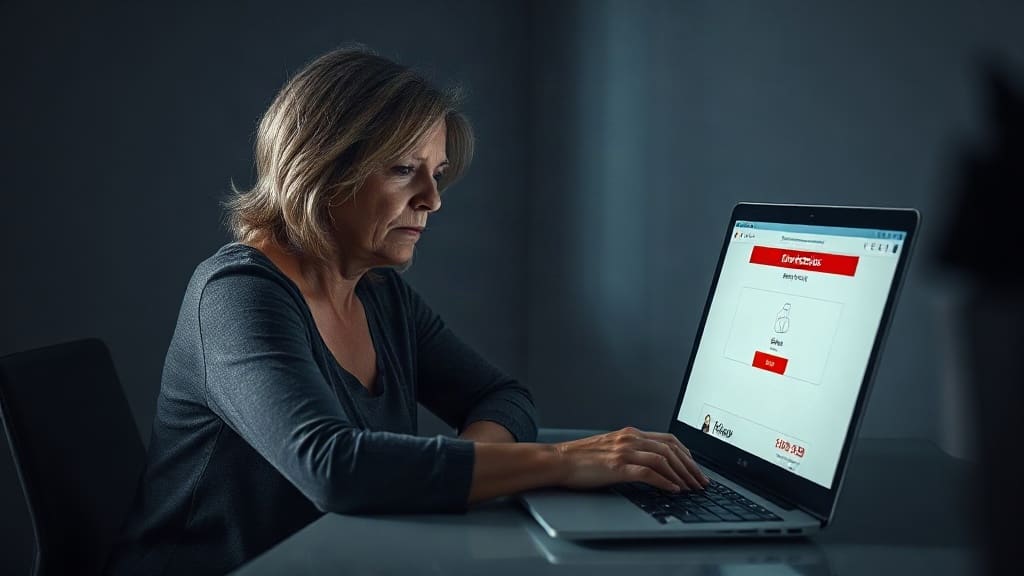
When you picture someone buying testosterone online under a fake name, you might imagine a bodybuilder skirting the rules. But a growing number of menopausal women are doing exactly that, posing as men to get their hands on a hormone they believe could ease their symptoms. It's a startling trend that exposes a yawning gap in how we treat menopause and hormone health.
The Struggle to Get Testosterone as a Woman
For many women navigating menopause, testosterone isn't the first thing that comes to mind. Yet this hormone, often associated with male vitality, plays a crucial role in female energy, libido, and overall wellbeing. As estrogen and progesterone levels plummet, some women find their testosterone levels drop too, leading to fatigue, brain fog, and a vanished sex drive.
But here's the catch: getting a prescription for testosterone as a woman is notoriously difficult. In many countries, testosterone is not approved for use in women for menopause-related symptoms. It's often prescribed off-label, and many doctors are reluctant to do so due to a lack of clear guidelines and concerns about side effects. This leaves women feeling dismissed and desperate.
Why Women Turn to Online Pharmacies
Faced with closed doors in the doctor's office, some women are taking matters into their own hands. Online pharmacies, many of which operate in legal gray areas, offer testosterone without a prescription. To get past the screening questions, women report selecting "male" as their gender and using male names or initials. It's a workaround born of frustration, but it comes with serious risks.
One menopause specialist has observed women with up to 12 times the safe level of testosterone in their blood. This is a red flag that unsupervised use is not just common but potentially dangerous. High levels of testosterone in women can lead to acne, hair growth, voice deepening, and even cardiovascular issues.
The Root of the Problem: A Broken System
This trend didn't emerge in a vacuum. It's a symptom of a healthcare system that often fails menopausal women. Studies have shown that many doctors receive minimal training in menopause management. A survey by the North American Menopause Society found that only 20% of OB-GYN residency programs offer formal menopause training. This leaves many practitioners ill-equipped to address hormone-related concerns beyond standard estrogen therapy.
When a woman asks about testosterone, she may be met with a blank stare or a quick dismissal. "It's not for women," some are told. But the evidence tells a different story. Research suggests that testosterone therapy can improve sexual function and mood in postmenopausal women when used carefully. Yet without clear prescribing pathways, women are left to navigate a maze of misinformation and underground markets.
The Stigma Around Female Sexuality
Another layer of the problem is the persistent stigma around female sexuality, particularly in midlife. A woman who wants to improve her libido is often seen as frivolous or demanding. This cultural bias can seep into clinical encounters, making women hesitant to even bring up the topic. In contrast, men with low testosterone are routinely offered replacement therapy without judgment.
This double standard pushes women toward secrecy. Instead of having an open conversation with a healthcare provider, they turn to anonymous online forums and unregulated pharmacies. The result is a dangerous game of self-experimentation.
The Risks of Unregulated Testosterone Use
Buying testosterone online without medical supervision is a gamble. The quality and dosage of products can vary wildly. Some products may be counterfeit, contaminated, or far more potent than labeled. Without blood tests and monitoring, women cannot know if they are taking a safe amount.
Beyond the immediate risks, long-term use of high-dose testosterone in women can have irreversible effects. Voice deepening and clitoral enlargement are often permanent. Hair loss and acne can also persist. More concerning are the potential cardiovascular risks, as high testosterone levels have been linked to adverse lipid profiles.
Furthermore, self-diagnosis can mask other underlying conditions. Fatigue and low libido can be symptoms of thyroid disorders, depression, or other hormonal imbalances. By bypassing medical evaluation, women may miss critical diagnoses.
What Needs to Change?
The solution is not to demonize women for seeking relief but to fix the system that drives them to such extremes. Healthcare providers need better education on menopause and the role of testosterone in women's health. Clear clinical guidelines and safe prescribing protocols would empower doctors to offer evidence-based care.
Increased research into testosterone therapy for women is essential. More data on efficacy and safety would help normalize its use when appropriate. Regulatory bodies should also consider approving testosterone products for female indications, as they have in some other countries.
On a broader level, we need to destigmatize menopause and female sexual health. Open conversations in the media and in clinics can help women feel comfortable seeking help. Support groups and patient advocacy organizations can play a role in educating women about their options and the risks of self-medication.
A Call for Empathy and Action
When women resort to posing as men to buy hormones online, it's a cry for help. They are not acting out of vanity or recklessness but out of a desperate need to feel like themselves again. The medical community must respond with understanding and better care, not judgment.
If you are a woman considering testosterone, talk to a healthcare provider who specializes in menopause. If your doctor dismisses your concerns, seek a second opinion. There are knowledgeable practitioners out there who can guide you safely. Do not risk your health by navigating the online black market alone.
This trend is a wake-up call. It's time to take women's hormone health seriously and close the gap that leaves so many suffering in silence.
Frequently Asked Questions
Why would a menopausal woman need testosterone?
Testosterone plays a role in female libido, energy, and mood. During menopause, testosterone levels can decline, leading to symptoms like low sex drive, fatigue, and brain fog. Some women find that testosterone replacement, under medical supervision, helps alleviate these issues.
Is it legal for women to buy testosterone online without a prescription?
In most countries, testosterone is a controlled substance and buying it without a prescription is illegal. Online pharmacies that sell it without a prescription are operating outside the law, and the products may be unsafe or counterfeit.
What are the risks of taking testosterone without medical supervision?
Unsupervised testosterone use can lead to dangerously high hormone levels, causing side effects like acne, hair growth, voice deepening, and cardiovascular problems. Without blood tests, you cannot know if your dosage is safe or effective.
How can women get safe testosterone therapy for menopause?
Women should seek out a healthcare provider who is knowledgeable about menopause and hormone therapy. This may be a gynecologist, endocrinologist, or a menopause specialist. They can assess your hormone levels and prescribe testosterone if appropriate, with regular monitoring.
Are there any approved testosterone products for women?
In some countries, testosterone products are approved for women with specific conditions like hypoactive sexual desire disorder. However, in many places, testosterone for women is prescribed off-label. Research is ongoing, and guidelines are evolving.