
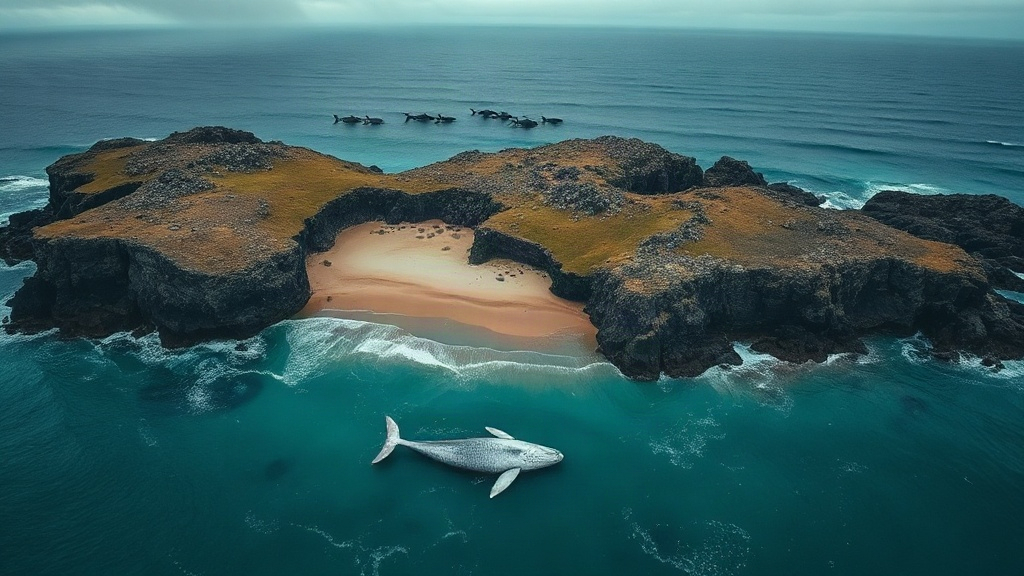
The rugged coastline of Patagonia, Argentina, has long been a haven for marine wildlife, but recently it has become the scene of a troubling mystery. Hundreds of baby whales have washed up dead on the shores of the southern Argentine region, and a marine mammal expert has suggested that a bacterial infection may be to blame. The news, reported on Thursday, has sparked concern among scientists and conservationists who are racing to understand what is killing these young giants of the sea.
While the exact cause remains under investigation, the scale of the die-off is alarming. It is not unusual for some whale calves to perish each season, but the sheer number of deaths this year has prompted experts to suspect an infectious agent. If confirmed, this would be one of the largest recorded mortality events for baby whales in the region, and it could have lasting implications for the population.
Unraveling the Mystery: What We Know So Far
The whales in question are likely southern right whales, a species that migrates to the warm, sheltered waters off the Valdés Peninsula in Patagonia each year to give birth and nurse their young. These waters, protected as a UNESCO World Heritage site, are normally a nursery for the whales. But this season, something has gone terribly wrong.
According to a marine mammal expert who spoke to a news agency, a bacterial infection is the leading hypothesis. The expert did not specify which bacteria, but infections such as brucellosis or erysipelas have been known to affect cetaceans. However, without further testing, it is impossible to say for sure. Scientists are currently analyzing tissue samples from the dead calves to identify the pathogen and determine whether it is the primary cause of death or a secondary infection.
The deaths have occurred over a span of weeks, with hundreds of calves reported. This is not the first time such an event has happened. In 2017, a similar die-off of southern right whale calves occurred in the same area, though the cause was never definitively determined. That event raised questions about environmental factors, such as harmful algal blooms or changes in prey availability. Now, with a bacterial infection suspected, the focus has shifted to potential sources of contamination.
Why Are the Whales Dying?
Bacterial infections in marine mammals can arise from various sources. Some bacteria are naturally present in the ocean, but under certain conditions, they can become pathogenic. For example, warmer water temperatures can promote the growth of bacteria like Vibrio, which can cause infections in marine life. Additionally, pollution from agricultural runoff or sewage can introduce harmful bacteria into coastal waters.
In the case of the Patagonian whales, several factors could be at play. The region has experienced environmental changes in recent years, including shifts in ocean currents and water temperatures. These changes can affect the distribution of prey, potentially stressing the whales and making them more susceptible to disease. Furthermore, the close congregation of whales in nursery areas can facilitate the spread of infectious agents.
Another possibility is that the bacteria are not the root cause but rather an opportunistic infection taking advantage of weakened immune systems. Malnourished or immuno-compromised calves are more vulnerable to bacterial infections. If the mothers are unable to find enough food, their calves may be born underweight and with reduced immunity. This could explain why so many calves are dying while adults appear unaffected.
The Broader Implications for Marine Ecosystems
The death of hundreds of baby whales is not just a tragedy for the species; it is a warning sign for the health of the ocean. Whales are apex predators and play a crucial role in marine ecosystems. They help regulate the food web, cycle nutrients, and even contribute to carbon sequestration. A decline in their numbers can have cascading effects throughout the ecosystem.
Southern right whales were once hunted to near extinction, but international protection has allowed their numbers to recover. The current die-off could reverse some of that progress. If the mortality event continues, it could impact the population's growth rate and genetic diversity. Scientists are particularly concerned because the deaths are predominantly among calves, which represent the future of the population.
Moreover, the presence of a bacterial infection raises questions about water quality and the potential for zoonotic diseases. While the risk to humans is low, it highlights the interconnectedness of human activities and marine health. Agricultural runoff, plastic pollution, and climate change all contribute to a stressed ocean environment where diseases can thrive.
What Can Be Done?
In response to the die-off, Argentine authorities have increased monitoring along the coast. Researchers are collecting samples from stranded whales and conducting necropsies to determine the cause of death. They are also tracking the movement of whale pods to see if the problem is localized or spreading.
Conservation groups are calling for stronger protections for marine habitats and stricter regulations on pollution. Reducing nutrient runoff from farms and improving wastewater treatment can help prevent bacterial blooms. Additionally, addressing climate change is crucial to maintaining the health of marine ecosystems.
For now, the focus is on understanding the immediate threat. International experts are collaborating with local scientists to share data and expertise. The hope is that by identifying the bacteria and its source, measures can be taken to prevent future outbreaks.
Frequently Asked Questions
What species of whales are affected?
The whales are believed to be southern right whales (Eubalaena australis), which migrate to the waters off Patagonia each year to breed and calve. This species is known for its coastal habits and is a major attraction for wildlife tourism in the region.
How many whales have died?
Reports indicate that hundreds of baby whales have died. The exact number is still being tallied, but it is significantly higher than the typical mortality rate for calves in this area.
Is the bacterial infection dangerous to humans?
The bacteria suspected in this event are not known to pose a significant risk to humans. However, as a precaution, people are advised to avoid contact with stranded whales and to report any sightings to authorities.
What is being done to investigate the deaths?
Scientists are conducting necropsies (animal autopsies) and laboratory tests to identify the bacteria and determine the cause of death. They are also monitoring the whale population and collecting environmental data to understand potential triggers.
Could this happen again?
Without addressing the underlying causes, such as pollution or climate change, there is a risk of future outbreaks. Ongoing research and conservation efforts are essential to protect these whales and their habitat.