
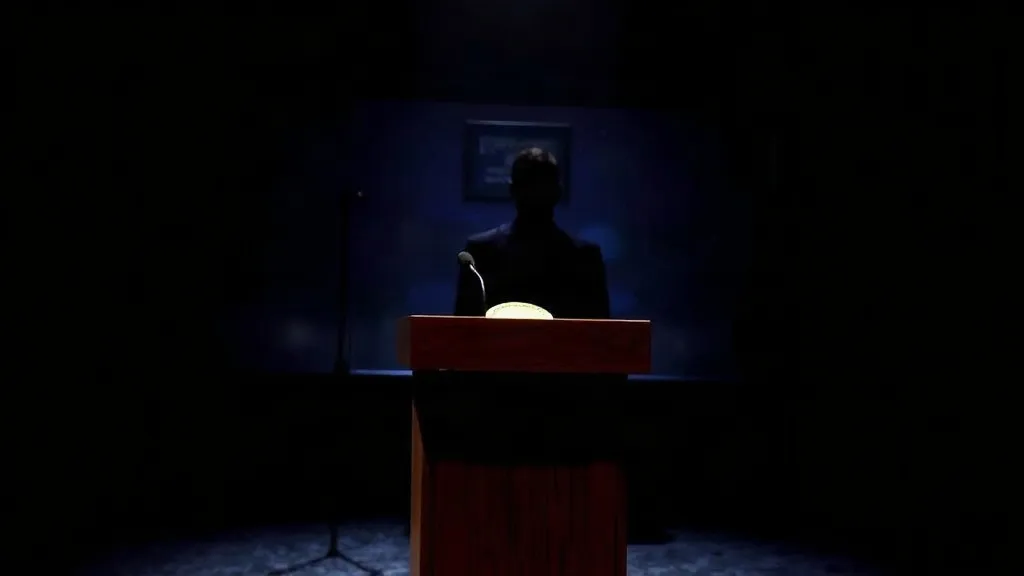
When the National Book Award for Nonfiction was announced, the name Abdelrahman ElGendy was called out. But the author wasn't there to accept the honor in person. ElGendy, an Egyptian writer, had been denied a visa to enter the United States, preventing him from attending the ceremony. His memoir, Huna, which means "here" in Arabic, took home one of the most prestigious literary prizes in America. The juxtaposition of triumph and exclusion has sparked conversations about the barriers that still exist in the global literary community.
The Award and the Absence
The National Book Award is one of the highest honors a writer can receive in the United States. Winning it can catapult a career, bring widespread recognition, and significantly boost book sales. For ElGendy, the award is a validation of his work, but the inability to be present at the ceremony adds a layer of complexity. The visa denial is not just a personal setback; it's a symbolic reminder of the hurdles that international writers face when seeking to participate in the global literary marketplace.
ElGendy's memoir, Huna, is a poignant exploration of identity, displacement, and the meaning of home. It has been praised for its lyrical prose and unflinching honesty. The book delves into the author's experiences as an Egyptian in a rapidly changing world, touching on themes of migration, memory, and belonging. Winning the award is a testament to the power of his storytelling and the resonance of his themes with readers and critics alike.
Who is Abdelrahman ElGendy?
Abdelrahman ElGendy is an Egyptian writer and journalist whose work often grapples with the complexities of contemporary life in the Middle East. Huna is his memoir, a deeply personal account that has been celebrated for its literary merit. The book's title, "Here," is a deceptively simple word that carries a multitude of meanings: it speaks to physical presence, to the act of claiming space, and to the search for a place to belong. In a world where borders are increasingly contested, ElGendy's memoir asks what it means to be truly "here" when circumstances constantly push you to be elsewhere.
The National Book Award for Nonfiction is not given lightly. It recognizes works of exceptional literary quality and cultural significance. ElGendy's win places him in the company of past recipients who have shaped the American literary landscape. That his voice is now among them, even in absentia, underscores the importance of diverse perspectives in literature.
The Visa Denial: A Growing Concern
ElGendy's visa denial is not an isolated incident. In recent years, there has been a noticeable increase in the number of international artists, writers, and scholars who have faced difficulties obtaining visas to enter the United States. The reasons are varied: stricter immigration policies, increased scrutiny, and bureaucratic hurdles. For writers from certain countries, the process can be particularly arduous. The denial of a visa to attend an awards ceremony is a stark reminder of the barriers that can prevent cultural exchange and recognition.
The impact of such denials extends beyond the individual. When a writer cannot attend an event like the National Book Awards, it deprives the audience of hearing their voice directly. It also sends a message about who is welcome and whose contributions are valued. The literary community thrives on the free exchange of ideas across borders. Visa restrictions that keep writers out can stifle that exchange and limit the diversity of voices that are heard.
Organizations like the National Book Foundation, which administers the awards, have expressed disappointment over such situations. They advocate for the importance of international participation and the need for policies that facilitate, rather than hinder, cultural diplomacy.
The Fiction Prize: Hannah Lillith Assadi
In addition to the nonfiction award, the fiction prize was awarded to Hannah Lillith Assadi. Her win is another highlight of the evening, celebrating excellence in fiction. Assadi's work has been noted for its lyrical prose and exploration of identity and heritage. While the spotlight shone on ElGendy's absence, Assadi's presence and acceptance speech added to the evening's mix of emotions. The dual awards underscore the breadth of talent in contemporary literature and the diverse stories that are being told.
What This Means for International Writers
The story of ElGendy's visa denial raises important questions about access and inclusion in the literary world. For aspiring writers from countries with restrictive visa processes, the message can be discouraging. However, the award itself is a powerful statement: it affirms that talent and truth-telling transcend borders. ElGendy's win is a beacon of hope, showing that even in the face of institutional barriers, excellence can be recognized.
It also highlights the role of literary institutions in advocating for their international peers. By speaking out against visa denials and supporting affected writers, organizations can help push for policy changes and raise awareness about the importance of cultural exchange.
The Broader Context of Immigration and the Arts
The arts have always been a space where borders are challenged and identities are explored. Immigrant and international artists have enriched the cultural fabric of the United States for generations. Yet, the current climate has made it increasingly difficult for some to participate fully. The visa denial for ElGendy is a symptom of a larger issue: the tension between security concerns and the need for open cultural dialogue.
Literature, in particular, relies on the free movement of ideas. When writers are prevented from traveling, it can lead to a homogenization of perspectives. The National Book Award, by honoring a writer who could not be present, sends a clear signal that the literary community values diverse voices, even when they are physically absent.
Looking Ahead
Abdelrahman ElGendy's win is a moment to celebrate his achievement and to reflect on the obstacles that remain. His memoir, Huna, will now reach a wider audience, and its themes will resonate with many. The visa denial, while a setback, has also drawn attention to the issue, sparking conversations that might lead to greater awareness and eventually, change.
For readers, the takeaway is simple: seek out diverse voices, support international writers, and recognize that literature knows no borders. For institutions, the challenge is to continue advocating for policies that allow for the free exchange of ideas. And for writers like ElGendy, the message is that their work matters, and their absence is felt.
Frequently Asked Questions
Why was Abdelrahman ElGendy denied a visa to attend the National Book Awards?
The specific reasons for the visa denial have not been publicly disclosed. However, it is part of a broader pattern of increased scrutiny and stricter visa policies affecting international artists and scholars traveling to the United States.
What is the National Book Award for Nonfiction?
The National Book Award for Nonfiction is an annual literary prize presented by the National Book Foundation to recognize outstanding works of nonfiction published in the United States. It is considered one of the most prestigious awards in American literature.
What is the significance of ElGendy's memoir, 'Huna'?
Huna is a memoir that explores themes of identity, displacement, and belonging. Its title, meaning "here" in Arabic, reflects the author's meditation on the meaning of home and presence. The book has been praised for its literary quality and emotional depth.
How can readers support international writers facing visa issues?
Readers can support international writers by buying their books, sharing their work, and advocating for policies that facilitate cultural exchange. Following organizations that support freedom of expression and literary exchange can also help.
Who won the fiction prize at the same ceremony?
Hannah Lillith Assadi won the fiction prize for her novel. The award celebrates excellence in fiction and adds to the diversity of voices recognized at the event.