
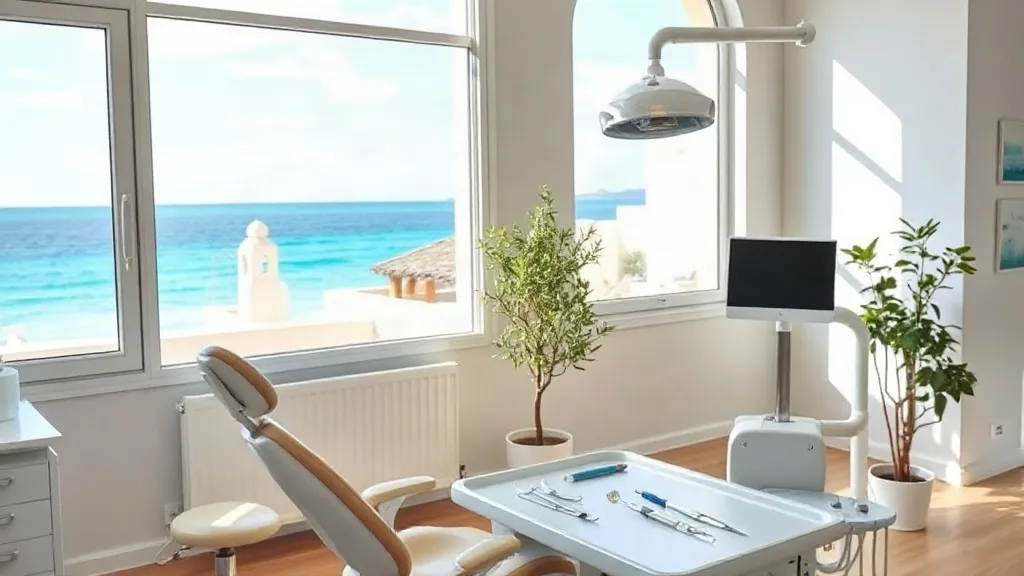
You booked the flights, found a hotel a short walk from the beach, and then a molar starts complaining two weeks before departure. Or maybe the trip is already planned and you have been putting off a crown for a year. Either way, searching for a gumbet dentist is rarely the first thing people imagine doing on the Bodrum peninsula, yet it is one of the more practical searches a traveller can make. Gumbet sits just a few kilometres from Bodrum centre, and the area has grown into a small, busy resort with clinics that see international patients all season long.
What follows is not a sales pitch for a single practice. It is a working guide built around the questions people actually ask: how to judge a clinic from the outside, how much time different treatments take, what to do if something goes wrong after you fly home, and why a clinic in the next bay might suit you better than the one closest to your hotel.
Why Gumbet Attracts Dental Travellers
Gumbet is compact. Most hotels, restaurants and shops sit within a fifteen minute walk of each other, which matters more than it sounds when you are recovering from an extraction and do not want a long transfer. The resort also has a steady flow of British, Irish and Scandinavian visitors, so clinics here are used to English speaking patients and to the paperwork that comes with them.
Prices are the obvious draw. Treatments such as crowns, veneers and implants are typically quoted well below what private clinics charge in the UK, partly because of lower operating costs and partly because of exchange rates. That said, a low quote is not automatically a good deal. The useful question is not "what is the cheapest crown in Bodrum" but "what is included in that price, and what happens if the crown needs adjusting six months later".
Location and Logistics
Gumbet is roughly a ten minute drive from Bodrum's main bus terminal and about forty minutes from Milas Bodrum Airport. If your treatment plan spans several visits, staying in Gumbet itself saves a lot of taxi fares. If you are combining dental work with a longer holiday, a hotel in the resort makes early morning appointments far less painful.
How to Judge a Clinic Before You Book
Most of the vetting can be done from home, long before you sit in a chair. A few checks separate clinics that run a proper operation from those that rely on slick websites.
- Ask who will actually treat you. Some clinics advertise a senior dentist and then assign a junior colleague. Request the name and registration details of the dentist handling your case.
- Look for a written treatment plan. A serious clinic will send a plan by email with tooth numbers, materials, number of visits and a full price breakdown before you travel.
- Check sterilisation claims carefully. Ask how instruments are sterilised and whether they can show you the sterilisation area during your visit. A confident clinic will not hesitate.
- Read reviews for the boring details. Comments about punctuality, communication and aftercare tell you more than a hundred five star ratings with no text.
- Confirm what aftercare looks like once you are home. Ask specifically who you contact if a filling feels high or a temporary crown comes loose.
One more thing worth doing: ask for the clinic's approach to failed treatment. Anyone can promise a perfect result. A good clinic explains, in plain terms, what happens if something does not settle.
Matching Treatment to Your Holiday Length
The single most common mistake dental travellers make is booking treatment that does not fit their stay. A crown typically needs two visits several days apart, because the laboratory has to fabricate the restoration. Implants are a longer game: the placement is one appointment, but the healing period before the final crown is fitted runs into months, which usually means a second trip or a staged plan coordinated with a dentist at home.
Realistic Timeframes
- Check-up, clean and X-rays: one appointment, under an hour.
- Composite fillings: usually one visit, though multiple fillings may be spread across two sittings for comfort.
- Single crown: two visits, typically five to seven days apart.
- Veneers: two to three visits depending on whether a trial smile is included.
- Root canal treatment: one to two visits for a straightforward case, longer for a retreatment.
- Implant placement: one surgical visit, with the final restoration months later.
If your trip is only a week, be honest with yourself about what fits. Cramming a full mouth rehabilitation into six days is possible in some cases, but it leaves no buffer if a laboratory delay or a stubborn infection appears.
When Bitez Makes More Sense
Gumbet is not the only option on this stretch of coast. Bitez, the next bay west, is quieter and has its own cluster of clinics, some of which handle fewer patients per day and can offer longer appointments. If you are staying in Bitez, or if you simply want a calmer setting for a longer procedure, a bitez dentist may be the more comfortable choice. The two areas are close enough that the decision usually comes down to where you are sleeping and how much time you want to spend in a waiting room rather than on the beach.
It is also worth noting that some patients prefer to split treatment: a consultation and scan in one bay, the main work in the other. That only works if both clinics communicate properly, so raise the idea early rather than turning up with a half finished plan.
Practical Points Most Guides Skip
Travel Insurance and Dental Cover
Standard travel insurance rarely covers elective dental treatment abroad. Some policies cover emergency pain relief only. Read the wording before you assume you are protected, and consider whether a specialist policy is worth the premium if you are planning significant work.
Communication After You Fly Home
Ask in advance whether the clinic will share X-rays, clinical photographs and treatment notes with your dentist at home. Many will, and it makes any follow-up far easier. If a clinic refuses to release records, treat that as a warning sign.
Budgeting Beyond the Quote
The headline price is only part of the cost. Add accommodation, transfers, meals and the possibility of an extra night if a fitting needs adjusting. Compare the total against a quote at home, not just the treatment line.
Language and Consent
You should be asked to sign a consent form you can actually read. If the English version is vague or missing, ask for clarification before anything begins. Understanding the risks of a procedure is not a formality.
Red Flags Worth Walking Away From
A clinic that pressures you into treatment on the first visit, quotes a price before examining you properly, or cannot explain which materials will be used is not worth the saving. Equally, be wary of anyone who dismisses your questions about sterilisation or aftercare as unnecessary. Dental work is a medical procedure, and the standard of communication should reflect that.
Finally, trust your instincts in the room. If the clinic feels rushed, crowded or unclear, you are allowed to leave and think about it. A second opinion costs you an afternoon; a badly fitted crown can cost you a year of adjustments.
Frequently Asked Questions
Can I get a same day appointment with a gumbet dentist?
Many clinics keep slots open for urgent cases, especially during the summer season. Call or message early in the morning rather than walking in, and describe your symptoms clearly so the reception team can judge whether you need an emergency slot.
How far in advance should I book treatment in Bodrum?
For simple appointments, a few days is usually enough outside peak season. For multi visit work such as crowns or veneers, contact the clinic at least three to four weeks before you travel so the laboratory schedule and your dates line up.
Is it cheaper to see a bitez dentist than one in Gumbet?
Prices across the peninsula are broadly similar for equivalent treatments. Differences usually come from materials, laboratory choice and how much time the dentist allocates per patient, not from the postcode. Compare itemised quotes rather than headline figures.
What happens if a crown or filling fails after I return home?
Reputable clinics offer a warranty period, often twelve months for crowns and bridges, provided you attend recommended check-ups. Ask for the warranty terms in writing before treatment and confirm whether your dentist at home can carry out any adjustments.
Do I need to speak Turkish?
Not in the main resort clinics, where English speaking coordinators are standard. However, having a translation app on your phone is useful for pharmacy visits and for reading consent forms in detail.