
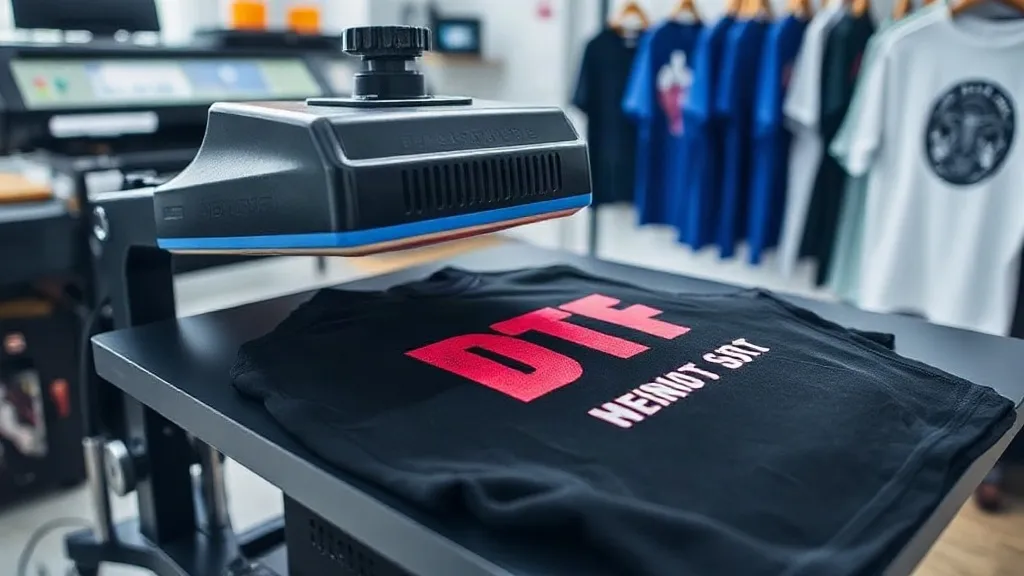
You have probably seen it: a beautiful design goes into the press and comes out cracked, faded, or peeling after a few washes. The culprit is rarely the dtf transfers themselves. More often, it is a small oversight in the process that costs you time, money, and repeat customers. After years of running a small print shop, I have made (and fixed) most of these mistakes. Here are five that quietly eat into your profits and how to avoid them.
1. Skipping the Moisture Check
Fabric moisture is the silent killer of dtf prints. If your garment holds even a little dampness, the adhesive powder will not bond properly, leading to premature peeling. I learned this the hard way after a batch of hoodies came back with edges lifting. Now, I always pre-press every garment for 5–7 seconds before applying the transfer. This simple step removes moisture and wrinkles, giving you a smooth, dry surface. For tough fabrics like canvas or heavy cotton, a longer pre-press or a dehumidifier in your storage area can make a world of difference.
2. Using the Wrong Pressure (and Not Checking It)
Pressure is one of those settings that seems set-and-forget, but it drifts over time. Too little pressure and the transfer won't adhere; too much and the design can flatten or the adhesive can bleed. I keep a pressure gauge on my press and check it weekly. Medium pressure is usually right for dtf transfers, but always test with your specific press. A quick test: press a transfer onto a scrap fabric and inspect the edges. If they look fuzzy or the film lifts easily, adjust pressure and try again.
3. Ignoring Temperature Variations
Your press might read 320°F, but is that the actual temperature at the platen? Infrared thermometers are cheap and can reveal hot spots. I once discovered my press was running 15 degrees cooler than displayed, which explained inconsistent curing. For dtf, typical settings are 320–340°F for 10–15 seconds, but always verify with a thermometer. Also, let the press recover between presses; back-to-back jobs can drop the temperature and affect adhesion.
4. Rushing the Peel
Peeling too soon or too late can ruin a good transfer. With dtf transfers, you should wait until the film is cool to the touch for a cold peel. Hot peel might work with some films, but cold peel is more forgiving and reduces the risk of design distortion. I set a timer and let the garment cool on a rack. It is tempting to peel immediately, but patience here saves you from reprints.
5. Neglecting Storage Conditions
DTF transfers are sensitive to humidity and direct sunlight. I store my films in a cool, dry place, away from windows, and keep them in airtight containers with silica gel packets. If you buy in bulk, use the oldest stock first. A customer once complained about faded prints, and I traced it back to a box of transfers that had been sitting in a humid corner for months. Proper storage preserves the adhesive and ink, ensuring consistent results.
If you are looking for reliable dtf transfers near me, quality supplies matter as much as technique. But even the best supplies fail without proper handling. Fix these five mistakes and you will see fewer reprints, happier customers, and better margins.
Frequently Asked Questions
How do I know if my DTF transfer is properly cured?
After pressing and cooling, the design should stretch slightly with the fabric without cracking. If it feels stiff or lifts at the edges, it may be under-cured. Adjust temperature or pressure and test again.
Can I use DTF transfers on dark and light fabrics?
Yes, DTF transfers work on both dark and light fabrics, including cotton, polyester, and blends. The white ink base in DTF transfers ensures vibrant colors on dark materials.
What is the shelf life of DTF transfers?
Stored properly in a cool, dry place, DTF transfers can last up to 12 months. Avoid humidity and direct sunlight to maintain adhesive quality.
Why do my DTF prints crack after washing?
Cracking usually results from insufficient pressure, incorrect temperature, or rushing the peel. Ensure you pre-press the garment, use medium pressure, and allow the transfer to cool completely before peeling.