
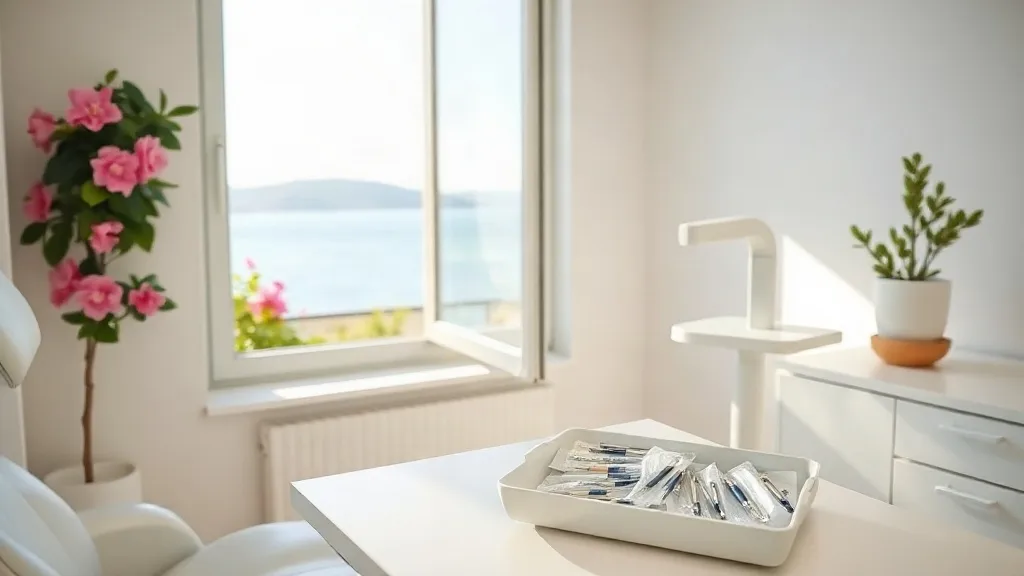
Most people who search for a gumbet dentist are not doing it out of idle curiosity. They are sitting on a balcony somewhere above the Bodrum waterfront, holding a hand mirror, and wondering whether the ache in their back molar can wait until they fly home. Others arrived with a plan already formed: a week in the sun, a few appointments booked, and a smile they have been putting off for years. Both situations are common, and both deserve a straight answer rather than a glossy brochure.
This piece is for the second group as much as the first. It walks through how dental care actually works in this corner of the peninsula, what a realistic treatment schedule looks like when your flight home is fixed, and the small details that separate a smooth experience from a stressful one.
Why the Bodrum Peninsula Attracts Dental Travellers
Gumbet sits a short dolmus ride from Bodrum centre, close enough to be convenient but far enough to feel like a resort in its own right. That geography matters more than it sounds. A clinic in Gumbet puts you within walking distance of your hotel, the beach, and the evening restaurants, which is exactly what you want when you have a numb jaw and no interest in long transfers.
Bitez, a little further west, has a quieter character. Its bay is calmer, the seafront is lined with gardens and citrus trees, and the pace suits anyone recovering from a procedure who would rather not be surrounded by beach club noise. Choosing a bitez dentist often comes down to that atmosphere rather than any difference in clinical standards.
What the Local Clinics Typically Offer
Practices in both towns are geared toward international patients, and the range of treatment is broader than you might expect from a holiday resort. In a normal week you will find:
- Routine check-ups, scaling and polishing, usually bookable within a day or two
- Composite fillings and repairs to chipped or worn teeth
- Root canal treatment, often completed across two visits
- Single implants placed with a healing period that runs past your return date
- Veneers, crowns and whitening, with digital scanning instead of putty impressions
- Emergency appointments for pain, swelling or a broken tooth
The emergency side is worth flagging. Walk-in slots exist precisely because tourists crack teeth on olive stones and lose fillings to Turkish delight. If you are in pain, say so when you call. Reception staff are used to triaging and will usually find room the same day.
How a Consultation Actually Runs
A first appointment in a well-run clinic follows a predictable shape, and knowing it in advance removes most of the anxiety. You will be asked for your passport or ID, a brief medical history, and a list of any medication you take. Blood thinners, bisphosphonates and uncontrolled diabetes all change what a dentist is willing to do in a single session, so be honest even if it feels irrelevant.
Then comes the examination. Many practices use an intraoral camera and a panoramic X-ray, both of which let you see the problem on a screen rather than taking it on trust. This is the moment to ask questions. A good dentist will walk you through the options, including the option of doing nothing until you get home, and will tell you plainly when a treatment can safely wait.
Getting a Written Plan and Quote
Ask for the treatment plan in writing, with each item priced separately. This is standard practice and no reputable clinic will resist it. A written plan does three things: it lets you compare like for like if you consult a second practice, it protects you if the scope of work changes mid-treatment, and it makes your travel insurance claim far easier if something goes wrong.
If a quote arrives as a single lump sum with no breakdown, treat that as a yellow flag. It is not necessarily dishonest, but it is not the habit of a clinic that expects you to make an informed decision.
Fitting Treatment Around a Holiday Schedule
The single most common mistake visitors make is underestimating time. A cleaning takes under an hour. A crown typically needs two appointments several days apart because the laboratory needs to fabricate the restoration. Implants involve surgery, a healing phase of months, and a final crown that may need to be fitted on a later trip or by your dentist at home.
A sensible approach is to book the consultation for the first or second day of your stay. That leaves room to complete short courses of treatment before you fly, and it gives you the option to walk away if the plan does not suit you. Booking a crown on your last afternoon is how people end up flying home with a temporary restoration and a problem to solve later.
A Realistic Timeline for Common Treatments
- Check-up, X-rays and cleaning: one visit, roughly sixty to ninety minutes
- Fillings: one visit per side of the mouth, often combined
- Root canal on a front tooth: usually two visits, two to four days apart
- Crown or veneer: two visits, with five to seven working days between them
- Implant placement: one surgical visit, with the final crown months later
- Whitening: a single session, though sensitivity may linger for a day or two
The Practical Details Nobody Mentions
Communication is the thing to test early. Ask, on your first call or email, whether the dentist who will treat you speaks your language fluently or whether a translator will be present. Most clinics in Gumbet and Bitez handle English comfortably, but a conversation about nerve damage or consent is not the place for guesswork. If you are not confident, ask for the dentist to explain the risks directly rather than through a receptionist.
Payment habits are worth checking too. Many practices accept cards, but some add a surcharge, and a few prefer cash for smaller treatments. Ask before the appointment rather than at the desk. Keep every receipt and ask for an itemised invoice with the clinic's details, since your insurer will want it.
Finally, plan the recovery. A extraction or implant placement means no swimming for several days, no sunbathing that overheats you, and no straws. If your hotel is a twenty minute walk from the clinic, arrange a taxi back. It is a small expense that makes the first afternoon considerably more comfortable.
What to Check Before You Commit
Standards vary, as they do anywhere, so a short checklist saves trouble. Look for visible sterilisation equipment and staff opening sealed instrument pouches in front of you. Confirm the dentist's registration and, if you are considering implants or extensive work, ask how many of that specific procedure they perform in a typical month. Experience with a procedure is a fair question and a confident clinician will answer it without offence.
Read reviews with a critical eye. A handful of glowing comments about friendly staff tells you little about clinical outcomes. Look instead for detailed accounts of specific treatments, and pay attention to how the clinic responds to criticism. A measured reply to a negative review says more than fifty five-star ratings.
Frequently Asked Questions
Can I book a dental appointment in Gumbet during peak summer?
Yes, but book ahead. July and August are the busiest months, and popular clinics fill their morning slots quickly. Emailing a week or two before you travel is usually enough to secure a consultation, and it gives the clinic time to request any records from your dentist at home.
Is dental treatment in Turkey safe for someone with a heart condition?
It can be, but it depends entirely on your individual situation. If you have a history of endocarditis, a mechanical heart valve, or you take anticoagulants, you need a conversation with your cardiologist before any invasive dental work, wherever it happens. Bring that information to the consultation and do not let it be waved aside.
How much should I expect to pay compared with the UK or Ireland?
Costs are generally lower, though the gap narrows once you add flights and accommodation. The honest way to judge value is to compare the written treatment plan, not the headline price of a single crown. Ask what is included: X-rays, temporary restorations, follow-up visits and any guarantee period all affect the real total.
What happens if a problem appears after I fly home?
Most clinics offer a guarantee on their work and will ask you to see a local dentist for an assessment first. Keep your invoice, your treatment plan and any post-operative photographs. A brief, factual email with those attachments usually resolves things quickly, and a clinic that has built its reputation on international patients has every reason to respond.