
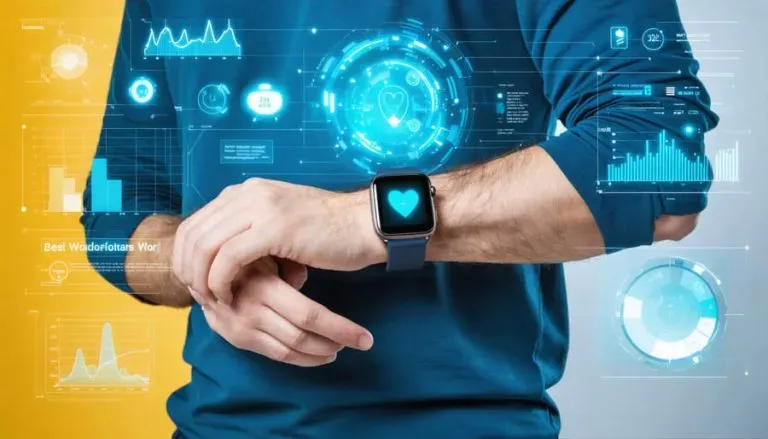
Wearable Tech in Personal Health Monitoring is redefining how people manage daily wellness, turning discreet devices into powerful allies for understanding heart rate variability, sleep cycles, steps, stress signals, and chronic-condition trajectories, and it does so with a blend of comfort, convenience, and clinical potential that fewer imagined when wearable gadgetry first appeared, enabling people to observe micro-patterns in real time, set personalized goals, and translate casual activity into evidence-informed choices. From consumer-friendly wearable devices like fitness trackers and smartwatches to more specialized sensors used in remote monitoring programs, users harvest streams of data—heart rate, activity levels, sleep quality, hydration cues, skin temperature, and sometimes glucose trends—that health analytics pipelines transform into intuitive dashboards, trend narratives, and risk indicators that guide daily decisions and longer-term health planning. These insights translate into practical, actionable guidance, empowering individuals to fine-tune exercise routines, optimize sleep hygiene, manage stress, and seek timely medical advice when anomalies emerge, while providing clinicians with a longitudinal data backbone that complements in-clinic measurements and strengthens shared decision-making. The impact extends beyond the individual, as interoperable data flows support remote monitoring programs, secure integration with electronic health records, and telemedicine workflows, enabling care teams to track blood pressure, glucose trends, heart rhythms, and other vital signs across homes, clinics, and community settings. As sensor technology evolves and analytics become more accessible, the everyday user experience—ergonomic bands, longer battery life, clear visualizations, and transparent privacy controls—will shape how broadly wearable health technologies accelerate prevention, early intervention, and sustained well-being.
In plain language, this category comprises intelligent, body-worn technologies that continuously collect physiological signals for personal monitoring and remote care. These devices, often described as smart wearables, activity trackers, bio-sensing patches, or discreet medical sensors, function as proactive health assistants by translating real-world activity into insights via health data analytics and trend reporting. Healthcare teams increasingly depend on remote patient monitoring systems, cloud-connected sensors, and digital health platforms to extend care beyond the clinic, enabling earlier detection of warning signs, customized therapy adjustments, and smoother communication across care settings. The broader semantic field includes wearables, sleep trackers, fitness trackers, and biosensors, which helps search engines and readers connect the topic to chronic disease management, preventive care, and population health strategies.
Wearable Tech in Personal Health Monitoring: From Consumer Wearables to Clinical Remote Monitoring
Starting as consumer gadgets, wearables have evolved into essential health tools that people can wear every day. Wearable devices such as smartwatches, fitness trackers, and sleep trackers collect continuous data on heart rate, steps, and sleep patterns, turning ordinary routines into data-informed decisions. This evolution makes health monitoring more accessible, motivating individuals to set goals, monitor progress, and respond quickly when something looks unusual. The result is a broader culture of proactive wellness that pairs personal effort with data-driven feedback.
As data streams accumulate, clinicians and caregivers gain new opportunities for remote monitoring and proactive care. Data from wearables can be shared with healthcare teams to inform treatment plans, track response to therapy, and trigger timely interventions when anomalies arise. This continuum—from daily wearables to clinical dashboards—relies on interoperable data flows, secure transmission, and clear, actionable insights that patients and providers can act on together.
How Wearable Devices and Fitness Trackers Collect and Transmit Health Data
Wearable devices and fitness trackers rely on a suite of sensors—optical heart rate sensors, accelerometers, gyroscopes, and sometimes skin temperature or glucose sensors—that continuously capture activity and physiological signals. Data streams include heart rate, steps, calories burned, sleep duration, and GPS-based activity context. Stored locally or on a paired smartphone, this information is ready for upload to cloud services or healthcare platforms where users can visualize trends and compare against personal goals.
Once in a health data analytics pipeline, these data are analyzed to identify patterns, outliers, and correlations with lifestyle choices. Users can view dashboards, receive personalized alerts, and share reports with clinicians when needed. While the convenience is clear, users must manage privacy controls and consent, and systems must handle data accuracy and device calibration to ensure that the analytics remain meaningful for decision-making.
Remote Monitoring and Interoperability: Integrating Wearables with EHRs and Telemedicine
Remote monitoring and interoperability are the bridges that bring wearables into everyday clinical practice. By standardizing data formats and leveraging open APIs, data from wearable devices can be integrated with electronic health records (EHRs) and telemedicine platforms. This makes a clinician's workflow smoother and supports longitudinal monitoring for chronic conditions such as hypertension or diabetes.
Adopting HL7 FHIR or similar standards helps ensure secure, consent-based data exchange. When patients authorize data sharing, clinicians gain timely visibility into trends outside the clinic, enabling remote management, timely medication adjustments, and more informed virtual visits. Patients also benefit from reduced in-person visits while feeling continuously connected to their care team.
Health Data Analytics in Wearables: Transforming Real-Time Signals into Actionable Insights
Health data analytics in wearables turns streams of raw signals into meaningful insights. AI-driven algorithms analyze heart-rate variability, activity bursts, sleep quality, and recovery patterns to generate risk indicators, trend forecasts, and personalized recommendations. Visualizations and alerts help both individuals and clinicians detect early changes before they escalate.
Integrating data from multiple sources—wearables, sleep trackers, and other health apps—enhances contextual awareness and supports proactive interventions. For patients with chronic conditions, analytics can surface actionable insights about medication adherence, lifestyle adjustments, and timing of activities, while researchers can leverage aggregated data to identify population health trends.
Sleep Trackers and Daily Activity: Enhancing Rest, Recovery, and Wellness
Sleep trackers play a crucial role in daily wellness by measuring sleep duration, cycles, and disturbances. These metrics, when combined with daily activity data from fitness trackers and heart-rate insight from wearable devices, provide a fuller picture of recovery and daytime function. Better sleep hygiene often translates into improved energy, mood, and performance.
Beyond sleep, daily activity data—steps, intensity, and sedentary time—helps people optimize routines for energy balance and fitness goals. By reviewing short- and long-term trends, users can adjust workouts, lighting, caffeine intake, and wind-down rituals to support restorative rest. The co-analysis of sleep and activity is a core advantage of wearables for holistic wellness.
Privacy, Security, and Ethical Considerations in Wearable Health Technology
Privacy, security, and consent are foundational in wearable health technology. As data travels from devices to cloud services and clinician dashboards, robust encryption, strong authentication, and transparent privacy policies are essential. Users should know who can access their data, how long it is stored, and how it can be deleted.
Ethical considerations include data ownership, equitable access, and avoiding algorithmic bias in health insights. Providers and manufacturers should ensure that ownership of health data remains with the user and that devices remain accessible across diverse populations. Regulatory frameworks and best practices help sustain trust while enabling the benefits of remote monitoring and health data analytics.
Frequently Asked Questions
What is Wearable Tech in Personal Health Monitoring, and how do wearable devices contribute to it?
Wearable Tech in Personal Health Monitoring refers to electronic devices worn on the body that collect health-related data via sensors and transmit it to apps or cloud platforms for analysis. These devices include wearable devices such as smartwatches and fitness trackers, which continuously capture metrics like heart rate, steps, and sleep patterns. This data supports proactive self-care and enables remote monitoring by clinicians who can review trends and intervene when needed.
How do fitness trackers enable remote monitoring in Wearable Tech in Personal Health Monitoring?
Fitness trackers transmit activity data, heart rate, sleep, and other metrics to healthcare teams for remote monitoring. Clinicians can review trends, adjust treatment plans, and detect early warning signs without in-person visits, while users receive timely feedback and motivation to stay on track.
What role does health data analytics play in Wearable Tech in Personal Health Monitoring?
Health data analytics turns raw sensor data from wearables into actionable insights, highlighting trends, anomalies, and risks. Analytics support personalized recommendations and inform clinical decisions, helping individuals improve health outcomes through data-driven actions.
Can sleep trackers enhance health management in Wearable Tech in Personal Health Monitoring?
Sleep trackers measure duration, quality, and sleep stages, offering insights into fatigue and recovery. In Wearable Tech in Personal Health Monitoring, sleep data informs behavior changes and supports clinicians in addressing sleep-related issues through remote monitoring or coaching.
What privacy and security considerations should users know about Wearable Tech in Personal Health Monitoring?
Privacy and security are critical. Users should know who can access their data, how long it is stored, and how it can be deleted. Choose devices with strong encryption, clear privacy policies, transparent data-sharing options, and robust authentication to protect health data analytics.
What should I look for when choosing wearable devices for Wearable Tech in Personal Health Monitoring?
Look for reliable sensors, long battery life, and a wide range of metrics (heart rate, steps, sleep, etc.). Check privacy policies, data ownership rights, and interoperability with remote monitoring systems or EHRs to ensure smooth integration into care workflows.
| Aspect | Key Points |
|---|---|
| What is Wearable Tech in Personal Health Monitoring? | Electronic devices worn on the body that collect health data via sensors and transmit it for analysis. Range from consumer wearables like fitness trackers and smartwatches to clinical/remote monitoring devices. Emphasizes continuous data capture of metrics such as heart rate, steps, sleep, calories; some devices measure blood oxygen, skin temperature, or glucose trends. |
| How Do These Devices Work? | Sensors gather signals; data streams include heart rate, activity, sleep, and GPS. Data stored locally or on a phone, then uploaded to cloud services or healthcare platforms where algorithms analyze trends and flag anomalies. Users access dashboards, goals, and actionable insights via apps or notifications. |
| The Healthcare Connection: From Personal Health to Population Insights | Bridges personal data with clinical care. Shared data enables remote monitoring, early detection, and timely interventions. Interoperability standards, such as HL7 FHIR, help securely integrate wearable data into EHRs and telemedicine workflows, enabling coordinated care for chronic conditions. |
| Benefits | - Proactive health management: continuous data enables early detection and prompts actions. - Personal accountability and motivation: real-time feedback encourages adherence. - Early warning and prevention: spikes or irregularities trigger alerts for timely evaluation. - Data-driven lifestyle decisions: trends guide exercise, nutrition, recovery. - Support for chronic disease management: remote monitoring and timely adjustments. |
| Real-World Applications Across Demographics | - General wellness and aging populations: reminders, fall detection, activity encouragement. - Athletes and fitness enthusiasts: metrics inform training and recovery. - Patients with chronic conditions: remote monitoring of vital signs and medication adherence. - Workplace wellness: data-driven programs to improve health and reduce costs. |
| Key Categories and Examples | - Wearable devices and fitness trackers: smartwatches, wristbands, rings tracking steps, heart rate, sleep, and activity. - Sleep trackers: sleep duration, stages, interruptions. - Heart-rate and rhythm monitors: detect irregularities like atrial fibrillation. - Glucose and other medical-grade wearables: continuous glucose monitors and other sensors under supervision. - Patch-based sensors and micro-electro-sensors: monitor hydration or skin temperature for nuanced insights. |
| Challenges and Considerations | - Data accuracy and reliability: consumer wearables vary; clinicians need confidence for medical decisions. - Data overwhelm and interpretation: need clear analytics and meaningful signals. - Privacy and security: robust protections, policy transparency, user control. - Interoperability: seamless data exchange with EHRs and telemedicine. - Equity and access: disparities in device access. - Battery life and wearability: comfort and maintenance impact adoption. - Regulatory and clinical validation: medical-grade wearables require validation and clearance. |
| User Experience and Privacy Considerations | - Design and UX: intuitive apps, meaningful notifications, easy-to-interpret data visuals. - Education: users should understand metrics and how to apply insights. - Privacy and consent: transparent data access, storage, deletion policies; encryption and secure authentication; clear data usage policies. |
| Future Trends and What to Expect | - AI and predictive analytics for early risk detection and personalized recommendations. - Personalized health coaching via virtual coaching. - Enhanced remote patient monitoring across more conditions. - Improved interoperability standards for easier data sharing. - Patient-centric ecosystems linking device data with genomics, imaging, and lifestyle information for holistic care. |
| Practical Advice for Getting Started | - Choose devices with reputable sensors and strong app ecosystems; consider accuracy and battery life. - Prioritize data privacy and review data-sharing options. - Confirm compatibility with healthcare plans and clinician workflows. - Start with clear, measurable goals. - Use data to guide, not overwhelm; set targets and schedule regular check-ins. |
Summary
Wearable Tech in Personal Health Monitoring is reshaping how individuals track wellness and how clinicians deliver care by enabling continuous data collection, real-time feedback, and proactive management. These devices—ranging from consumer fitness trackers and smartwatches to medical-grade sensors—capture metrics such as heart rate, sleep, activity, and sometimes glucose or hydration signals, transmitting data to apps and cloud platforms for analysis. The resulting insights support behavior change, early warning, and remote monitoring, helping people stay motivated and enabling clinicians to tailor interventions without frequent in-person visits. Interoperability standards, including HL7 FHIR, are advancing secure data exchange with electronic health records and telemedicine tools, strengthening the bridge between personal health data and population health management. Benefits include proactive health management, improved accountability, and data-driven lifestyle decisions, while challenges focus on data quality, privacy, and the need for meaningful signals rather than data overload. Real-world use spans general wellness for aging populations, athletic performance optimization, chronic disease management via remote monitoring, and workplace wellness programs. Looking ahead, advances in AI, personalized coaching, and better interoperability will deepen the integration of wearables into holistic care ecosystems, enabling smarter prevention, earlier intervention, and more personalized health journeys. For anyone starting, selecting trusted devices, safeguarding privacy, aligning with care plans, and setting clear goals can turn wearable data into practical steps toward better health outcomes.