
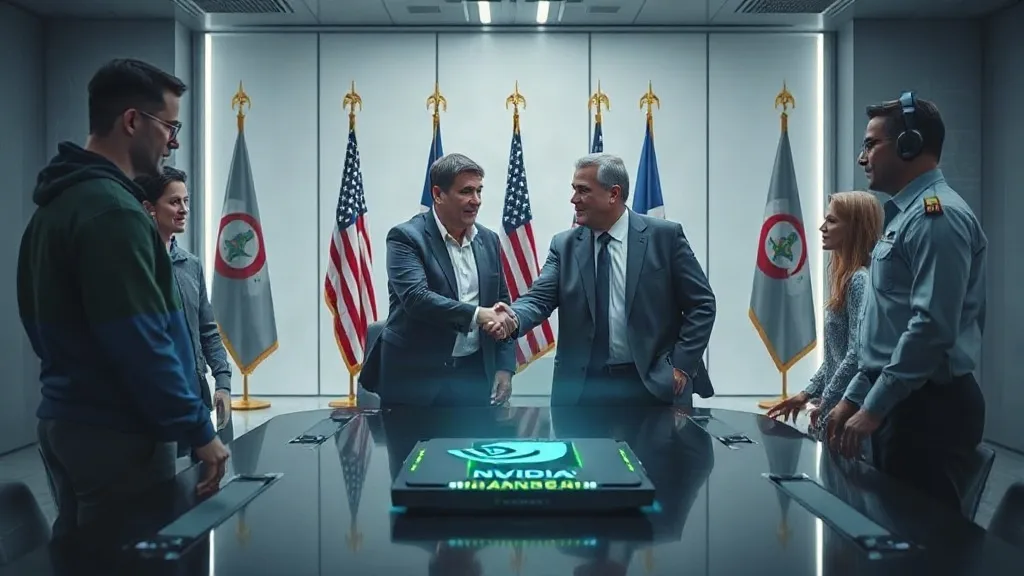
When Nvidia CEO Jensen Huang found himself on the defensive after a humbling midterm defeat, Silicon Valley's most powerful figures didn't retreat. Instead, they doubled down, leveraging their influence to secure a lifeline from none other than Donald Trump. The episode, dubbed 'tech bros strike back,' offers a window into how the technology industry's political clout is evolving and what it means for the future of AI, semiconductors, and regulation.
The Midterm Wake-Up Call
The 2022 midterms were supposed to be a red wave, but for many tech leaders who had bet heavily on certain candidates, the results were a cold shower. The anticipated gains didn't materialize, and suddenly, the industry's political investments looked shaky. For Huang, whose Nvidia had become a poster child for the AI boom, the stakes were personal. His company's dominance in GPUs made it a target for regulators and a pawn in the escalating tech war between the US and China.
But the midterm setback wasn't just about lost bets. It exposed a vulnerability: tech's political strategy had been fragmented. Companies like Nvidia, Meta, and Google often pursued their own agendas, leading to a lack of coordinated influence. That's when the 'tech bros' decided to strike back.
Trump's Lifeline: A Calculated Move
Donald Trump's intervention on behalf of Huang wasn't just a favor; it was a strategic play. Trump, eyeing a return to the White House, understands the importance of courting Silicon Valley. By publicly supporting Huang, he signaled that he's willing to protect American tech champions, especially those critical to national security. The move resonated with an industry that often feels besieged by regulations and political attacks.
For Huang, the rescue came at a crucial time. Nvidia faced potential restrictions on chip exports to China, a market that accounts for a significant portion of its revenue. Trump's backing helped alleviate some of that pressure, at least temporarily. It also underscored a reality: in the high-stakes game of tech policy, having a powerful ally in Washington can make all the difference.
Why This Matters: The Broader Implications
This episode is more than just a political favor. It highlights the growing interdependence between the tech industry and political power. As AI and semiconductor competition intensifies, the lines between business and national security blur. Policymakers are grappling with how to regulate tech without stifling innovation, while companies are learning to navigate a complex political landscape.
Moreover, the 'tech bros strike back' narrative reflects a shift in how tech leaders engage with politics. No longer content to stay on the sidelines, they are actively shaping policy, funding campaigns, and building coalitions. The midterm defeat was a setback, but it also served as a catalyst for a more unified approach.
The Nvidia Factor
Nvidia's position as the leading supplier of AI chips makes it a linchpin of the US tech ecosystem. Any threat to its business is a threat to America's technological edge. Huang's rescue, therefore, is not just about one company; it's about ensuring that the US remains at the forefront of AI development. Trump's move can be seen as a recognition of that fact, and a signal that his administration would prioritize tech competitiveness.
Tech's Political Awakening
The midterms may have been a wake-up call, but they also sparked a realization: tech needs a seat at the table. The industry's response, backing Huang and engaging with Trump, shows a newfound sophistication. It's no longer enough to write checks; tech leaders are now building relationships and advocating for policies that support innovation.
What's Next?
As the 2024 election approaches, expect to see more of this dynamic. Tech leaders will continue to flex their political muscle, and politicians will court them. The key question is whether this collaboration will lead to sound policies or simply serve special interests. For now, the tech bros have shown they can strike back, and Washington is taking notice.
Frequently Asked Questions
What does 'tech bros strike back' mean?
It refers to Silicon Valley leaders rallying to support Nvidia CEO Jensen Huang after midterm losses, demonstrating their political influence.
How did Trump rescue Huang?
Trump publicly backed Huang and signaled support for Nvidia, helping to ease pressure from potential chip export restrictions.
Why is Nvidia important in this context?
Nvidia is a key player in AI and semiconductors, making it central to US tech competitiveness and national security.
What are the implications for tech regulation?
The episode highlights the need for balanced regulation that fosters innovation while addressing security concerns, with tech playing a more active role in policy discussions.
Will this affect the 2024 election?
Yes, tech's political engagement is likely to grow, influencing campaign funding and policy agendas.