
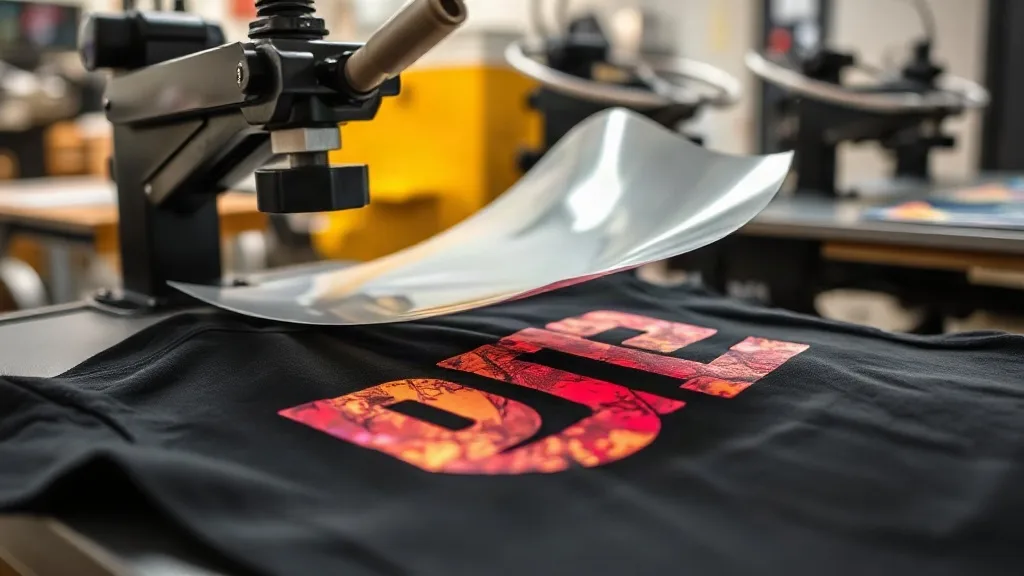
If you've been exploring the world of custom apparel printing, you've likely encountered DTF transfers. This innovative technology is rapidly becoming a favorite among small business owners, hobbyists, and professional printers alike. But what exactly makes DTF stand out from other printing methods? In this guide, we'll break down the essentials of DTF printing, from how it works to why it might be the perfect solution for your next project.
What Are DTF Transfers?
DTF, or Direct to Film, is a printing technique where your design is printed onto a special film, coated with adhesive powder, and then heat-pressed onto fabric. Unlike DTG (Direct to Garment) printing, which requires specially treated garments, DTF can adhere to a wide range of materials, including cotton, polyester, blends, and even some non-fabric items. This versatility is a game-changer for anyone looking to expand their product offerings.
The DTF Process Step by Step
Understanding the process helps you appreciate the magic behind dtf transfers. Here's a quick rundown:
- Design Preparation: Your artwork is prepared digitally, ensuring colors are vibrant and details are sharp.
- Printing: The design is printed onto a PET film using specialized DTF inks. A white ink layer is often applied as a base to ensure opacity on dark fabrics.
- Powder Application: While the ink is still wet, a hot-melt adhesive powder is sprinkled over the film. Excess powder is shaken off.
- Curing: The film is heated to melt the powder, creating a flexible, durable bond.
- Transfer: Once cooled, the film is placed on the fabric and heat-pressed. After pressing, the film is peeled away, leaving the design firmly adhered.
This method eliminates the need for pre-treating garments, saving time and reducing costs. Plus, the results are impressive: bright colors, fine details, and a soft feel that holds up wash after wash.
Why Choose DTF Transfers for Your Business?
Whether you're running a print-on-demand shop or a local apparel brand, DTF offers several compelling advantages:
- Material Versatility: Works on cotton, polyester, blends, and even leather or canvas. No need to stock different types of transfers for different fabrics.
- Cost-Effective for Small Runs: Unlike screen printing, which requires setup costs per color, DTF is economical for short runs and one-offs.
- Durability: When applied correctly, DTF prints resist cracking, fading, and peeling. They can withstand dozens of washes.
- Vibrant Colors: DTF inks produce rich, saturated colors, and the white ink base ensures designs pop on dark garments.
- No Pre-Treatment: Skip the messy and time-consuming pre-treatment step required for DTG printing.
These benefits make DTF an attractive option for businesses looking to offer high-quality custom apparel without breaking the bank.
DTF vs. Other Printing Methods
How does DTF stack up against traditional methods like screen printing, DTG, and vinyl? Here's a quick comparison:
- Screen Printing: Better for large orders with few colors, but DTF wins for complex designs and small batches.
- DTG: Requires pre-treated cotton garments and often struggles with polyester. DTF handles both with ease.
- Vinyl: Great for simple text and shapes, but DTF excels with photographic designs and gradients.
For many businesses, DTF offers the best balance of quality, versatility, and cost.
Getting Started with DTF Transfers
Ready to dive into DTF printing? Here's what you'll need:
- DTF Printer: A specialized printer that uses DTF inks. Entry-level models are available for small shops.
- DTF Film: PET film designed for DTF printing. It comes in sheets or rolls.
- Adhesive Powder: Hot-melt powder that bonds the ink to the fabric.
- Heat Press: A reliable heat press is crucial for consistent results.
- Design Software: Any graphic design software will work, but ensure your designs are high-resolution.
If you're not ready to invest in a printer, you can purchase pre-printed dtf transfers from suppliers and apply them yourself. This is a great way to test the waters before committing to the full setup.
Tips for Successful DTF Application
To ensure your transfers look great and last long, follow these best practices:
- Preheat the Fabric: Remove moisture and wrinkles before pressing.
- Use the Right Pressure: Medium to firm pressure is typically best. Too little pressure can cause poor adhesion.
- Peel Correctly: Wait for the transfer to cool completely before peeling the film. Peeling while hot can distort the design.
- Wash Inside Out: To prolong the life of your print, wash garments inside out in cold water and avoid harsh detergents.
These simple steps can make a big difference in the durability and appearance of your final product.
Finding Quality DTF Transfers Near You
If you're searching for dtf transfers near me, you're in luck. Many suppliers now offer high-quality DTF transfers with fast turnaround times. When choosing a supplier, consider the following:
- Ink Quality: Look for suppliers that use premium DTF inks for vibrant, long-lasting colors.
- Film and Powder: Ensure they use quality materials that adhere well and feel soft.
- Customer Reviews: Check testimonials to gauge reliability and print quality.
- Turnaround Time: If you're on a tight deadline, choose a supplier with quick production and shipping.
For those in the know, dtf transfers near me often leads to HarwinDTF, a trusted source for DTF supplies. They offer a range of transfers and materials to suit various needs.
Common Questions About DTF Transfers
How long do DTF transfers last?
With proper application and care, DTF transfers can last as long as the garment itself. They are highly durable and resist cracking and fading.
Can I use DTF transfers on dark colors?
Absolutely. DTF transfers include a white ink base, which ensures the design remains vibrant on dark fabrics.
Do I need a special printer for DTF?
Yes, DTF requires a printer that uses DTF inks and is capable of printing on film. However, you can also buy pre-printed transfers if you don't want to invest in a printer.
What fabrics work best with DTF?
DTF works on a wide range of fabrics, including cotton, polyester, blends, and even some non-woven materials. It's one of the most versatile printing methods available.
Is DTF printing cost-effective for small businesses?
Yes, DTF is cost-effective for short runs and one-off designs. There are no setup fees, and you only pay for the materials you use.
Whether you're a seasoned pro or just starting out, DTF transfers offer a world of possibilities for custom apparel. With their versatility, durability, and vibrant results, it's easy to see why they're becoming the go-to choice for many in the industry.