
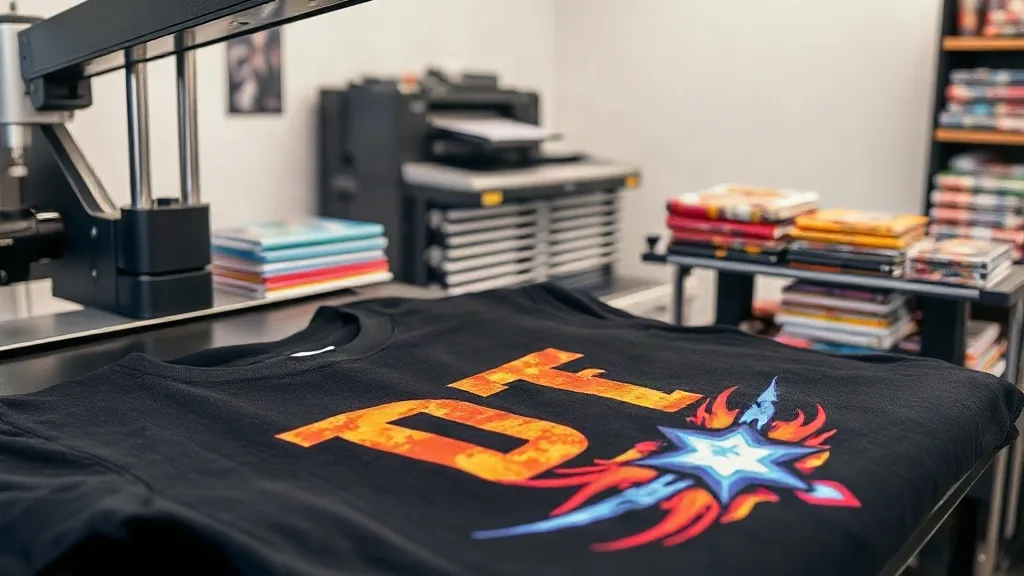
In the rapidly evolving world of custom apparel, dtf transfers have emerged as a game-changer for small businesses and hobbyists alike. Unlike traditional methods that require expensive equipment and lengthy setup, dtf printing offers a streamlined, cost-effective solution for producing vibrant, durable designs on a wide range of fabrics. Whether you're a seasoned print shop owner or just starting out, understanding the ins and outs of DTF transfers can dramatically improve your product quality and profitability.
This guide dives deep into the world of DTF transfers, covering everything from selecting the right transfers to applying them like a pro and scaling your operations. We'll share practical tips, industry insights, and actionable advice to help you avoid common pitfalls and achieve consistent, professional results.
What Are DTF Transfers and Why They Matter
DTF, or Direct-to-Film, is a printing technology where designs are printed onto a special film, coated with adhesive powder, and then heat-pressed onto fabric. This method eliminates the need for pre-treatment or weeding, making it faster and more versatile than vinyl or screen printing. DTF transfers work on cotton, polyester, blends, and even tough fabrics like canvas and denim, opening up endless creative possibilities.
The rise of DTF can be attributed to its low entry cost and high-quality output. Small businesses can order custom transfers from specialized suppliers without investing in industrial printers. This democratization of apparel printing has fueled a surge in custom merch, from family reunions to online boutiques. But not all DTF transfers are created equal; the quality of the film, ink, and powder significantly affects durability and color vibrancy.
The Science Behind DTF Printing
Understanding the technical side helps you make informed decisions. DTF printers use pigment-based inks that are jetted onto a PET film. The film is then dusted with a thermoplastic polyurethane (TPU) adhesive powder, which melts when heated, bonding the ink to the fabric. The result is a flexible, stretchable print that withstands repeated washing. The key variables are ink quality, film thickness, and powder mesh size. Premium suppliers use finer powders and high-opacity inks to ensure bright colors and soft hand feel.
Choosing the Right DTF Transfers for Your Needs
With many suppliers flooding the market, selecting reliable DTF transfers can be overwhelming. Here's what to look for:
- Ink Quality: Look for transfers that use high-viscosity, pigment-rich inks. They should produce sharp details and vibrant colors without fading.
- Film Type: Cold-peel films are easier to handle and reduce the risk of color bleeding. Hot-peel films are faster but require precise timing.
- Adhesive Powder: Fine powder (80-100 mesh) provides better coverage and a softer feel. Avoid transfers with clumpy or uneven powder.
- Supplier Reputation: Read reviews, ask for samples, and test wash durability before committing to bulk orders.
If you're searching for dtf transfers near me, prioritize local suppliers who can offer faster turnaround and personalized support. Many online suppliers also provide gangsheet builders that let you consolidate multiple designs onto a single sheet, reducing waste and cost.
Comparing DTF with Other Printing Methods
DTF vs. screen printing: Screen printing is cost-effective for large orders of simple designs but requires setup time and is limited to certain fabrics. DTF excels at complex, multi-color designs and small batches. DTF vs. vinyl: Vinyl is durable but limited to simple shapes and requires weeding. DTF handles intricate details and gradients effortlessly. DTF vs. DTG: DTG (Direct-to-Garment) is great for cotton but struggles on polyester and blends. DTF works on almost any fabric, making it more versatile.
How to Apply DTF Transfers Like a Pro
Proper application is critical to achieving a professional finish. Follow these steps for flawless results:
- Preheat the Fabric: Use a heat press to remove moisture and wrinkles. Set temperature to 320°F (160°C) for 5-10 seconds.
- Position the Transfer: Place the transfer film on the fabric with the printed side facing up. Use heat-resistant tape to secure it if needed.
- Press: Apply medium pressure for 15-20 seconds at 320°F. For cold-peel films, wait until the film cools completely before peeling. For hot-peel, peel immediately.
- Post-Press: Cover the design with a Teflon sheet or parchment paper and press for another 5-10 seconds to enhance adhesion.
Common mistakes include insufficient pressure, incorrect temperature, and peeling too early. Always test on a scrap fabric first. Also, ensure your heat press is calibrated; a few degrees can make a big difference.
Troubleshooting Common Issues
If the transfer peels or cracks after washing, it's likely due to inadequate pressure or too low a temperature. Increase pressure and verify with a pressure gauge. If colors look dull, the press temperature might be too high, scorching the ink. Adjust accordingly. For stubborn transfers that won't stick, try a fabric pre-treatment or switch to a higher-quality film.
Scaling Your DTF Business: From Hobby to Profit
Once you've mastered the basics, scaling requires strategic planning. Start by calculating your cost per transfer, including film, ink, powder, and labor. Then, price your products to ensure healthy margins. Consider offering gangsheets to customers, allowing them to mix designs and save money. Invest in a reliable heat press and a DTF printer if volume justifies it; otherwise, partner with a wholesale supplier.
Marketing is key: showcase your work on social media, collaborate with local influencers, and attend craft fairs. Build a brand around quality and turnaround time. Many successful DTF businesses niche down, specializing in sports team jerseys, pet apparel, or minimalist designs.
Building a Reliable Supply Chain
Consistency is everything. Establish relationships with backup suppliers to avoid stockouts. Keep a buffer inventory of popular transfer sizes. Negotiate bulk discounts and consider joining buyer groups. For those in the US, searching for dtf transfers near me can yield local suppliers who offer faster shipping and lower minimums.
Frequently Asked Questions
How long do DTF transfers last?
With proper application and care, DTF transfers can last 50+ washes. Wash inside out in cold water and tumble dry low. Avoid ironing directly on the print.
Can I use DTF transfers on dark fabrics?
Yes, DTF transfers include a white ink layer that makes them opaque on dark colors. This is a major advantage over other methods.
Do I need a special printer for DTF?
You can buy pre-printed transfers from suppliers, which eliminates the need for a printer. For high-volume production, invest in a DTF printer and shaker.
What fabrics work best with DTF?
DTF adheres well to cotton, polyester, blends, nylon, and leather. It's not recommended for glass or metal.
How do I find reliable DTF transfers near me?
Search online directories, ask in local print groups, or request samples from suppliers. Check reviews and verify their turnaround times.
By following this guide, you'll be well-equipped to harness the power of DTF transfers and take your custom apparel business to new heights.