
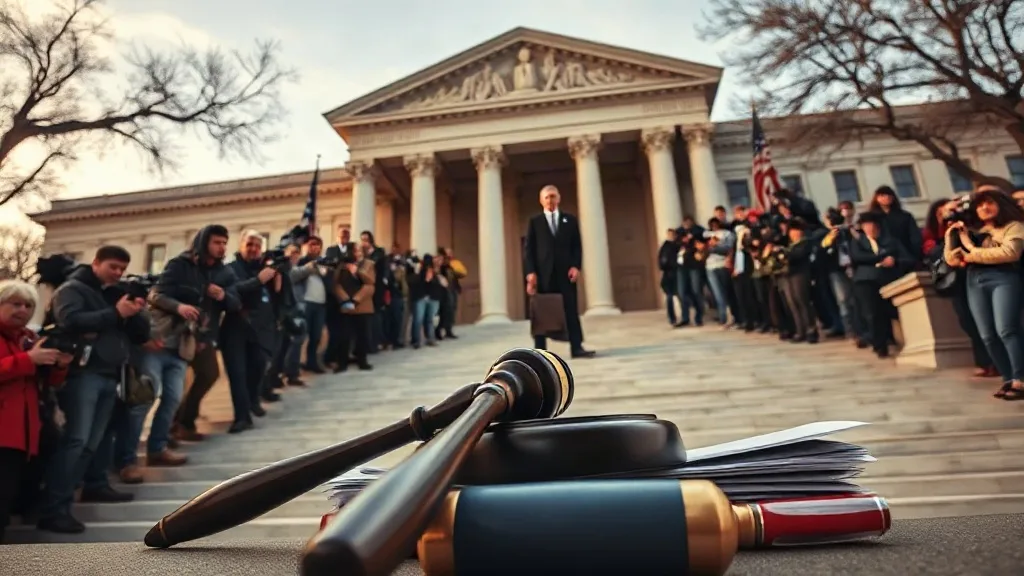
In a striking development for media law and political speech, a federal judge has handed ABC a significant victory in its First Amendment battle with the Federal Communications Commission (FCC). The ruling, which grants a preliminary injunction, effectively pauses an FCC order that would have forced an early review of the network's broadcast licenses. The decision is being hailed as a win for press freedom and a rebuke to what ABC argued was a retaliatory move by the Trump administration.
The Lawsuit and Its Context
The legal dispute centers on an FCC order issued earlier this year that sought to commence a license renewal proceeding for ABC's owned-and-operated stations well ahead of the standard eight-year cycle. ABC responded by suing the FCC, alleging that the order was unconstitutional retaliation for the network's news coverage, particularly its reporting on the Trump administration and its programming choices, including shows like The View and Jimmy Kimmel Live!. The network claimed that the FCC's action was an attempt to chill its First Amendment rights by threatening its broadcasting licenses.
U.S. District Judge Loren AliKhan, presiding over the case, issued the preliminary injunction, finding that ABC had demonstrated a likelihood of success on the merits of its First Amendment claim and that it would suffer irreparable harm without the injunction. The judge's order prevents the FCC from moving forward with the early license renewal process while the lawsuit proceeds.
What the Ruling Means
The preliminary injunction is a procedural step, not a final judgment, but it carries substantial weight. It signals that the court views ABC's arguments seriously and that the FCC's actions may indeed cross constitutional lines. For ABC, the injunction provides immediate relief: the network can continue operating its stations without the looming threat of a license challenge that could have lasting financial and reputational consequences.
More broadly, the case touches on the delicate balance between government oversight of broadcast media and the First Amendment's protection of free speech and press. The FCC has long had the authority to regulate broadcast licenses in the public interest, but that authority is not unlimited. ABC's lawsuit argues that the Commission used its licensing power as a weapon against a news organization whose content displeased the administration. If the court ultimately agrees, it could set a precedent limiting how the government can use regulatory tools to influence media coverage.
A Pattern of Retaliation?
ABC's complaint painted a picture of a coordinated campaign by the Trump administration against the network. It cited public statements by then-President Trump criticizing ABC's reporting and specific segments of its programming. The lawsuit alleged that the FCC's order was part of a broader effort to punish the network for its editorial decisions. The judge's injunction suggests that these allegations have enough merit to warrant further examination.
The FCC, for its part, has maintained that its actions were routine and within its authority. The Commission argued that the early license review was justified by procedural irregularities or the need to ensure compliance with broadcast regulations. However, the timing and context of the order raised eyebrows among media law experts, who noted that such early reviews are rare and typically reserved for serious violations.
Implications for Media and Politics
The case is about more than just ABC. It is a test of whether the government can use licensing and regulatory processes to influence editorial content. A ruling in favor of ABC could reinforce the principle that broadcasters, even those regulated by the FCC, are entitled to First Amendment protections against retaliatory actions. It could also deter future administrations from using similar tactics against media outlets perceived as adversarial.
On the other hand, the FCC has a legitimate role in ensuring that broadcasters serve the public interest. The agency must be able to enforce rules without fear of litigation. The court will need to find a balance that respects both the FCC's mandate and the First Amendment. The preliminary injunction is a temporary measure, and the case will continue to unfold, potentially reaching higher courts.
For now, ABC can breathe a sigh of relief. The network's legal team has secured a crucial early victory. But the battle is far from over. The FCC may appeal the injunction, and the underlying lawsuit will proceed through discovery and possibly trial. The outcome will be closely watched by media companies, regulators, and civil liberties advocates alike.
What to Watch Next
- FCC's response: Will the Commission appeal the injunction or seek to modify the order? Its next steps will indicate how aggressively it intends to pursue the matter.
- Court proceedings: The case will move forward, with both sides presenting evidence and arguments. Key legal questions about the scope of FCC authority and retaliatory intent will be central.
- Political fallout: The Trump administration's attacks on ABC and other media outlets have been a recurring theme. This ruling may embolden critics of the administration's media policies or provoke further attempts to assert control.
- Industry impact: Other broadcasters may see this case as a bellwether for how far the government can go in regulating content through licensing. It could influence how networks approach controversial programming.
The judge's decision is a reminder that the First Amendment remains a powerful check on government overreach, even in an era of intense political polarization. For ABC, it is a moment of vindication and a chance to continue its journalism without the shadow of license revocation hanging over its head.
Frequently Asked Questions
What exactly is a preliminary injunction in this context?
A preliminary injunction is a temporary court order that prevents a party from taking a certain action while a lawsuit is ongoing. Here, it stops the FCC from proceeding with the early license renewal review until the case is resolved. It is not a final ruling on the merits but indicates the court believes the plaintiff has a strong case.
Why did ABC sue the FCC?
ABC sued the FCC alleging that the Commission's order to review its broadcast licenses early was retaliation for the network's news coverage and programming, which had been criticized by the Trump administration. ABC argued that this violated its First Amendment rights to free speech and press.
What does this mean for other broadcasters?
The ruling could set a precedent that limits the government's ability to use licensing as a tool to influence media content. Other broadcasters may feel more protected from similar actions, but the full impact will depend on the final outcome of the case.
Can the FCC still take action against ABC?
For now, the FCC is barred from proceeding with the early license renewal. However, the agency could appeal the injunction, and if it succeeds, the review could resume. The FCC also retains its normal regulatory authority over broadcasters, but any action must comply with the First Amendment.
How long will this legal battle take?
It is difficult to predict, but First Amendment cases can take months or even years to resolve, especially if they go through appeals. The preliminary injunction will remain in effect during that time unless overturned.