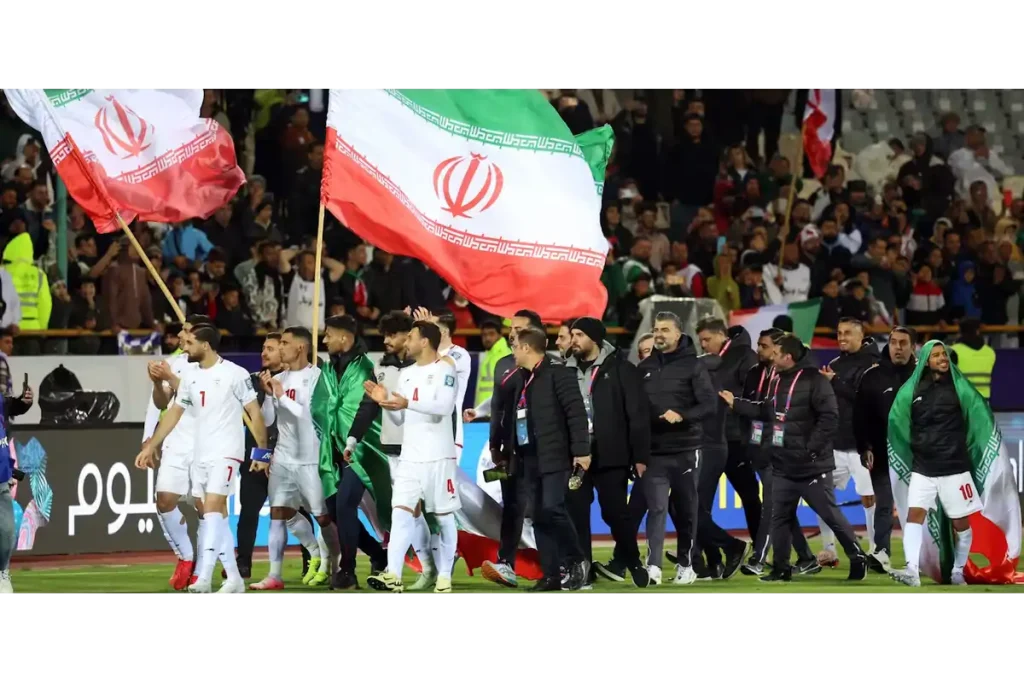
To host war foes during a premier sporting tournament represents an unprecedented moment in football history, as the United States becomes the first nation to welcome its recent military adversary, Iran, to compete on American soil for the FIFA World Cup 2026. Following a historic weekend peace breakthrough that concluded 107 days of active conflict, Team Melli’s presence in Los Angeles has turned a global spotlight onto the intersection of sports, diplomacy, and security. To keep track of sports-led diplomacy across the globe, explore our comprehensive coverage in our global sports category.
Table of Contents
The highly charged atmosphere surrounding Group G highlights the unique challenges faced by the tournament’s organizers this summer. While the international community celebrates the newly announced ceasefire, translating this diplomatic breakthrough into sports-field safety remains a delicate task. For many, the matches are a powerful test of whether the global game can truly bridge bitter geopolitical divides.
1. A Seismic Precedent: Why No Host Nation Has Ever Had to Host War Foes
Never before in the history of the modern game has a World Cup host country been in an active state of war—or just emerging from one—with a participating nation. Since the conflicts of the 107-day war were strictly contained within Iran and the Middle East, FIFA never considered canceling the North American tournament. Historically, global tournaments were canceled or relocated during times of active military conflict, making the decision to host war foes on American soil a historic first.
As documented by Anadolu Agency, the US-Iran peace framework signed over the weekend has pacified immediate geopolitical concerns, but tensions remain palpable. Soccer fans and political analysts alike are monitoring the situation to see if the sports fields can remain neutral. The historic precedent established here could redefine how future international sporting bodies manage sudden geopolitical crises.
Review the official tournament regulations and safety guidelines on the FIFA World Cup Portal. The governing body is working tirelessly to ensure that the tournament maintains its neutral, non-partisan essence.
2. Visa Crises and Logistical Shuffles Required to Host War Foes
The immense effort required to bring the Iranian team to the US has been plagued by complex bureaucratic and logistical bottlenecks. Initially, the team’s training facilities were scheduled to be in Arizona, but severe visa delays forced a last-minute relocation of their pre-tournament base camp to Tijuana, Mexico. The complex dynamics required to host war foes safely forced the Iranian Football Federation to shift their base camp to Tijuana, Mexico.
According to investigative reports from Al Jazeera, while all playing squad members eventually secured US entry visas, several technical and administrative staff were blocked by federal screening. This visa issue resulted in intense frustration for Iran’s head coach, Amir Ghalenoei, who criticized US travel restrictions following their 2-2 draw with New Zealand at SoFi Stadium. The logistical tax on the team has been immense, requiring them to cross the border on tight, high-security schedules.
Despite these taxing disruptions, the Iranian squad showed remarkable on-field focus, clawing back from a two-goal deficit on Monday night. This resilience has earned them widespread admiration from neutral supporters inside the stadium.
3. Extreme Security Protocols Deployed to Host War Foes
With thousands of visiting Iranian fans and American supporters occupying the same arenas, security forces have implemented unprecedented safety measures. Outside the stadiums, heavy protests against the Iranian government have erupted, turning the sporting complexes into highly charged political zones. Federal law enforcement agencies are coordinating massive operations to ensure that the mandate to host war foes does not result in local security breaches.
Tactical response teams and crowd control units have established multi-layered perimeter cordons around SoFi Stadium in Los Angeles and other match venues. Organizers are heavily relying on advanced facial recognition technologies and strict ticketing verification to prevent organized political demonstrations inside the seating bowls. The primary objective is to keep the focus entirely on the ninety minutes of play on the pitch.
“We are implementing a zero-tolerance policy for any political demonstrations inside the stadium to preserve the integrity and safety of all spectators and athletes,” stated a senior regional security coordinator in Los Angeles.
4. Operational Comparison: Standard Hosting vs. Hosting War Foes
This comparative overview highlights the unique operational parameters implemented as the United States acts to host war foes during the 2026 matches. The modifications illustrate the massive scale of the logistical pivot.
| Hosting Parameter | Standard Team Protocol | US-Iran War Foe Protocol |
|---|---|---|
| Base Camp Location | Within the host nation (e.g., Arizona facilities) | Relocated to Tijuana, Mexico, due to visa and diplomatic tensions. |
| Visa Clearance Process | Standard accelerated FIFA entry permits | Strict federal screening; players cleared, key support staff blocked. |
| Stadium Security Perimeter | Standard local law enforcement cordons | Multi-layered federal and tactical response units deployed. |
| Political Expression Stance | Standard FIFA code of conduct enforcement | Zero-tolerance policy on all banners, slogans, and non-FIFA flags. |
5. Frequently Asked Questions (FAQ)
Has a World Cup host country ever had to host war foes before?
No, the United States is the first nation in history to host war foes on its own soil while actively emerging from a military conflict with a participating nation.
What security measures are in place to host war foes safely?
Federal law enforcement, tactical crowd-control units, and zero-tolerance policies on political displays inside stadium bowls are specially designed to host war foes without domestic incident.
Why did the Iranian team base camp relocate to Mexico?
Due to severe US visa restrictions and ongoing diplomatic tensions, the training facilities were shifted from Arizona to Tijuana, Mexico, adding considerable logistical stress in the decision to host war foes.