
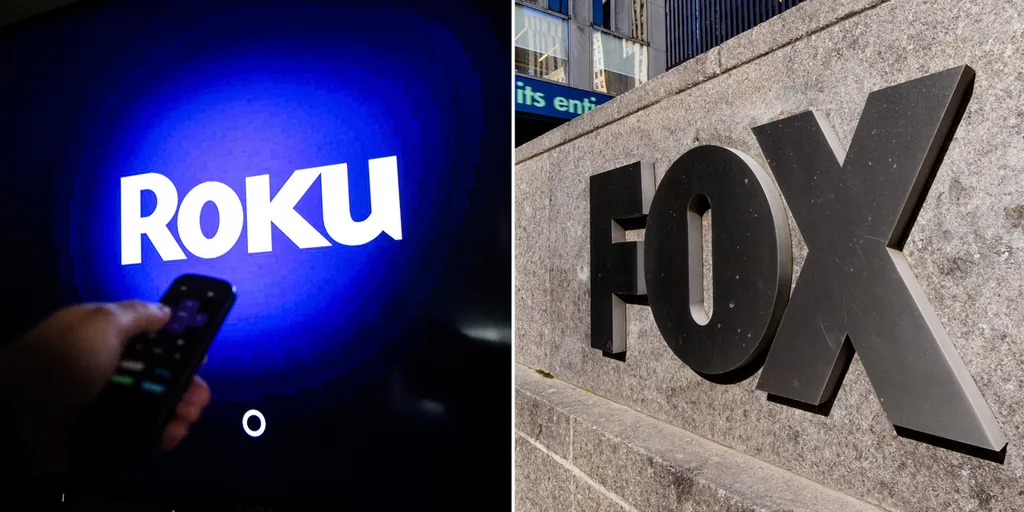
In a blockbuster entertainment deal, Fox Acquires Roku for approximately $22 billion in a cash-and-stock transaction, uniting a major live news and sports broadcaster with the nation’s preeminent connected TV (CTV) interface. Announced on Monday, June 15, 2026, the landmark tie-up is poised to create a free, ad-supported streaming (FAST) powerhouse by bringing together Tubi and The Roku Channel under a single corporate umbrella. To stay updated on media mergers and tech transactions, explore our detailed analysis in our business news section.
Table of Contents
The acquisition marks Fox’s most ambitious digital pivot since selling its scripted television and film studio assets to Disney for $71 billion in 2019. By controlling the primary interface through which millions of Americans access streaming services, Fox is securing a direct route into the living room. However, integrating a hardware and software platform with a traditional broadcasting model introduces considerable operational complexities.
1. A FAST Powerhouse: How Fox Acquires Roku to Redefine Free Streaming
The combination of these two platforms will reshape how audiences consume free, ad-supported video. Tubi, which Fox acquired in 2020 for $440 million, has built a highly devoted fan base, while The Roku Channel commands about 3% of all U.S. television viewing. By establishing this massive footprint, the transaction where Fox Acquires Roku creates the third-largest TV viewership force in the United States, commanding roughly 10% of total viewing share.
According to the official report by Axios, the unified entity will sit comfortably behind only Alphabet’s YouTube and The Walt Disney Company. This consolidated reach gives Fox immense leverage when negotiating with major brands and advertisers who are migrating their budgets away from traditional linear TV. Shifting to digital-first advertising allows for highly targeted commercials, powered by Roku’s robust first-party consumer data.
The deal also gives Fox access to over 100 million global streaming households. This direct-to-consumer pipeline will allow the broadcaster to aggressively promote its premium live assets, including Fox News, NFL games, and MLB events.
2. Terms and Synergies: The Financial Structure as Fox Acquires Roku
The financial agreement values Roku at $160 per share, representing a 34% premium over its trading price prior to buyout speculation. Roku shareholders are set to receive $96 in cash and approximately 0.9693 FOX Class A shares for each share they hold. While the market reacted with cautious skepticism, the move as Fox Acquires Roku is expected to deliver $400 million in annual run-rate cost savings.
As noted by The Guardian, Fox’s stock plunged by more than 11% on Monday as investors expressed concern over the $12 billion in new debt required to fund the transaction. Meanwhile, Roku’s founder and CEO, Anthony Wood, will join the Fox board of directors to help guide the transition. Wood, who originally spun Roku out of Netflix in 2008, will maintain an active leadership role within the hardware division.
The deal is scheduled to formally close in the first half of 2027, subject to standard shareholder approvals. Until then, both companies will continue to operate as separate independent entities under their current management teams.
3. Antitrust Concerns and Standalone Commitments as Fox Acquires Roku
Antitrust regulators are expected to scrutinize the transaction closely because it pairs a major live content owner with a popular TV platform-maker that hosts rivals’ apps. Critics argue that Fox could use Roku’s interface to prioritize its own channels while disadvantaging competing services. As Fox Acquires Roku, both companies have made firm commitments to maintain Roku as an open, partner-friendly platform.
According to financial analysis from Forbes, the risk of a regulatory block remains low under the current administration’s pro-business Department of Justice. Analysts point to the DOJ’s recent approval of Paramount’s acquisition of Warner Bros. Discovery as evidence of a highly favorable regulatory environment. Nonetheless, Fox must reassure hardware partners that rival streaming apps will continue to enjoy ubiquitous, neutral distribution.
“This is a defining moment for Fox that brings together the most valuable live content portfolio with the preeminent streaming platform through which America watches it,” stated Fox CEO Lachlan Murdoch in a public announcement.
4. Statistical Breakdown of the Merged Media Giants
This comprehensive overview outlines the key financial and operational metrics defining the media landscape after Fox Acquires Roku. The combined data highlights the immense scale of the newly formed streaming titan.
| Metric Dimension | Fox Corporation (Standalone) | Combined Entity (Pro Forma) |
|---|---|---|
| U.S. TV Viewership Share | Variable (Primarily cable & broadcast) | ~10% (Third-largest player behind YouTube and Disney) |
| Active Streaming Services | Tubi, Fox One, Fox Nation | Tubi, The Roku Channel, Fox Nation, Fox One |
| Global Household Reach | Broadcast / Cable subscriber limits | Over 100 million active connected TV households |
| Projected Cost Synergies | N/A | $400 million in annual run-rate savings |
5. Frequently Asked Questions (FAQ)
Why is it significant that Fox Acquires Roku?
It is highly significant because Fox Acquires Roku to combine Tubi with The Roku Channel, immediately creating a dominant player in free, ad-supported streaming that commands roughly 10% of total U.S. TV viewing.
What financial terms were agreed upon as Fox Acquires Roku?
Roku is being purchased at $160 per share in a deal valued at approximately $22 billion. Roku shareholders will receive $96 in cash and approximately 0.97 Fox Class A shares under the deal where Fox Acquires Roku.
Will the Roku platform undergo immediate changes for consumers?
No, both companies have confirmed that Roku will continue to operate as an open, partner-friendly platform hosting rival streaming applications neutrally after Fox Acquires Roku.